
A coastal insider’s tour through Charleston, Beaufort, Hilton Head, Myrtle Beach, and the North Carolina shore, minus the brochure talk.
“Food Heaven” is a real place, not a marketing buzzword. It runs from Georgetown down through Charleston, Beaufort, and Hilton Head, and this stretch of Carolina coast basically invented the dish every brunch menu in America now tries to copy. But shrimp and grits doesn’t respect a state line. Head north into Wilmington, and you’ll still find shrimpers, stone-ground grits, and locals ready to argue about whose bowl wins.
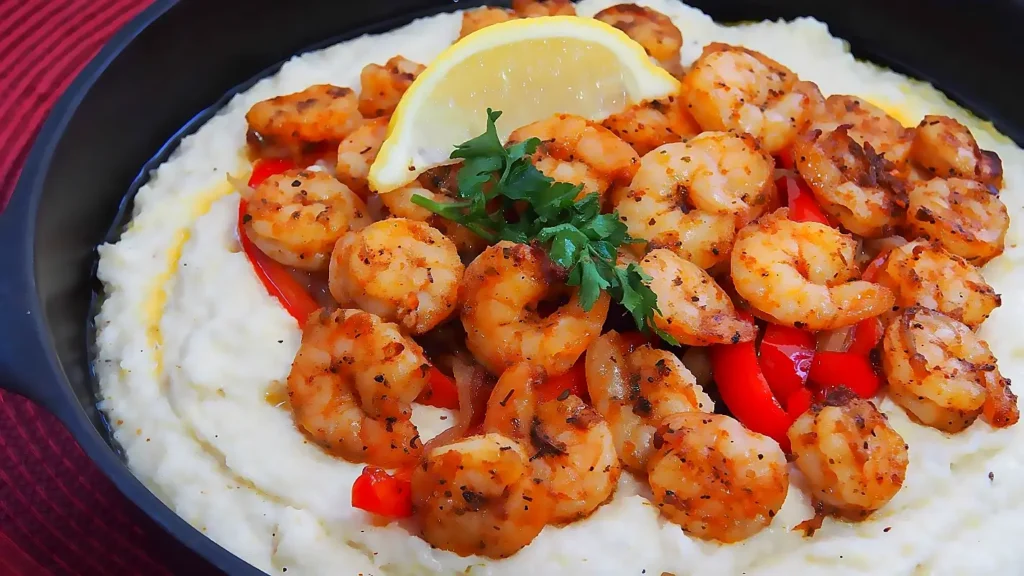
Charleston: Where the Legend Actually Lives
Charleston didn’t just popularize shrimp and grits. It basically trademarked the conversation around it. Start at Bowens Island Restaurant, a graffiti-covered shack at the end of a sandy road near Folly Beach. Locals line up for the roasted oysters, but the shrimp and grits quietly steals the show from a marsh-view table. The James Beard Foundation named the place an “American Classic” back in 2006, and it hasn’t lost a step since. The line moves slowly, and that’s part of the charm.
For a dressier take, walk into 82 Queen in the French Quarter. Its barbecue shrimp and grits, drenched in a tangy tomato sauce, has anchored the menu for decades and won repeat praise from regional food writers. Reviewers occasionally mention lukewarm plates on a packed Saturday night, so aim for an early seating if you want it at its best.
Then there’s Millers All Day in Mount Pleasant, the only kitchen in town that can claim an actual ownership stake in its grits supplier. Co-owner Greg Johnsman spent eight years reviving Jimmy Red corn, a nearly extinct heirloom variety, just to mill it for this dish. That’s not a marketing line. That’s obsession, and you can taste it in every spoonful.
Local’s take: Most visitors stay glued to King Street and skip Darling Oyster Bar‘s version, finished with crispy brussels sprouts, fennel, and an optional fried egg. It breaks every “traditional” rule in the book, and nobody downtown seems to mind.
Beaufort, SC: The Quiet Original
Forty-five minutes south of Charleston, Beaufort skips the spectacle and just cooks. Blackstone’s Cafe has anchored breakfast downtown since 1996, and regulars treat a morning visit like a personal ritual. Panini’s on the Waterfront leans simpler, built around local shrimp pulled straight from nearby creeks. Just outside town, Foolish Frog serves a rustic, unfussy bowl that feels closer to how home cooks actually made this dish a century ago.
What most visitors don’t know: Beaufort, South Carolina, shares its exact name with Beaufort, North Carolina, a completely different coastal town several hours north. Confuse the GPS pin, and you’ll end up eating a perfectly fine bowl in the wrong state entirely. Only one of them sits in the actual Lowcountry, and locals will absolutely correct you if you mix them up.
Shrimp lovers should also detour to Shrimp Shack on St. Helena Island. Its shrimp burger gets most of the magazine attention, but the kitchen quietly turns out a solid shrimp and grits too, built on the same boats-to-table shrimp.
Hilton Head: Resort Polish, Real Flavor
Hilton Head built its reputation on golf courses and gated neighborhoods, not humble seafood shacks. Even so, the island holds its own at the table. Skull Creek Boathouse pairs a creamy bowl with sunset views over the actual creek, and the dock atmosphere makes any wait feel worth it. Black Marlin Bayside Grill leans Cajun-spiced and tastes best with a Hurricane cocktail close by.
Skip anywhere flaunting a “world’s third best” sticker on the window. No credible global ranking body exists for shrimp and grits, and a sharp diner spots marketing copy from a mile away. The Old Oyster Factory, built on the site of a real former cannery, earns its loyal following the slow way: through repeat visits, not banners.
What most visitors don’t know: Locals sending out-of-towners to their first Hilton Head dinner almost always say “Skull Creek,” not whatever resort restaurant shows up first in a hotel concierge binder.
Myrtle Beach: Punching Above Its Tourist-Trap Reputation
Myrtle Beach gets mocked for mini-golf and souvenir shirts, and fair enough. Yet a few kitchens tucked between the arcades take this dish seriously. Sea Captain’s House, a historic oceanfront house turned restaurant, serves a creamy version over a cheese-grits cake that has outlasted decades of passing food trends. Hook & Barrel goes smokier, bathing its shrimp in a smoked tomato broth with tri-colored peppers.
Drive up to North Myrtle Beach, and Boardwalk Billy’s reinvents the dish completely: a fried shrimp-and-grit cake, crisp outside and creamy within, topped with smoked sausage and roasted corn. It’s nowhere close to traditional, but it’s exactly the kind of regional twist that lights up local Facebook food groups.
Wilmington: North Carolina Stakes Its Claim
Cross the state line, and the dish doesn’t vanish. It just picks up a different accent. Bon Appetit in Wilmington bills its version as the “Eastern Seaboard’s Best Shrimp and Grits,” loading the bowl with bacon, mushrooms, and a white wine cream sauce. That’s a bold claim for a sign, but informal local foodie polls have backed it more than once.
Cape Fear Seafood Company keeps things rich and classic, while Cast Iron Kitchen draws a steady morning crowd that swears by its breakfast version before noon. Don’t skip Dixie Grill either, a downtown diner where regulars order without glancing at the menu.
Insider note: Some food historians trace the dish’s first national spotlight to North Carolina, claiming a prominent New York food critic sampled a version near Chapel Hill in the mid-1980s before writing it up for a major newspaper. Worth a fact-check before you repeat it at dinner, but it’s a fun bit of regional pride either way.
How to Spot the Real Thing
Great shrimp and grits starts with stone-ground grits, never the instant kind. Cheap kitchens cut corners here first, and the texture gives it away immediately. Local, wild-caught shrimp matters just as much; frozen imports turn rubbery the second they hit heat. Ask your server where the shrimp comes from before you order. A confident, specific answer usually signals a kitchen that actually cares.
Frequently Asked Questions
What’s the difference between shrimp and grits and a Lowcountry boil?
Shrimp and grits is a creamy, often saucy plate built around a bed of grits. Lowcountry boil, also called Frogmore stew, dumps shrimp, sausage, corn, and potatoes into one shared pot. Both rely on local shrimp, but they’re entirely different meals.
Is shrimp and grits traditionally a breakfast dish?
Yes. Fishermen originally ate it before heading out for a long day on the water. Most Charleston and Beaufort kitchens still serve it at brunch, though dinner menus have fully caught up over the past few decades.
What makes Lowcountry shrimp taste different from shrimp elsewhere?
Local wild-caught shrimp tend to taste sweeter and firmer than farmed or frozen imports. Cooler estuary and Atlantic waters along the Carolina coast likely play a role, though local shrimpers will happily debate the exact reason for hours.
When is shrimp season in South Carolina and North Carolina?
Local shrimping season generally runs from late spring through fall, though exact dates shift each year based on water temperature and current state regulations. Confirm timing with the restaurant or check current state wildlife guidelines before assuming a “fresh local” claim on a menu.
Do popular spots like 82 Queen or Bowens Island require a reservation?
82 Queen accepts reservations and fills up quickly on weekends, especially during brunch hours. Bowens Island famously skips reservations altogether, so plan to wait in line, particularly during peak summer travel season.
Are gluten-free or vegetarian versions available?
Many Lowcountry kitchens now offer gluten-free grits and some vegetarian-friendly substitutions for the shrimp itself. Always confirm directly with the restaurant, since recipes, sourcing, and cross-contamination policies vary from kitchen to kitchen.
From a graffiti-covered dock near Folly Beach to a quiet diner counter in Wilmington, the Carolina coast still owns this dish, and it isn’t handing over the title anytime soon.
For more Carolina vacation area guides and Carolina coastal travel inspiration, keep exploring explorecarolinabeaches.com
📱 Download our free Carolina Beaches app — Get it here