

Somewhere between the first wave crash and the last grain of sand in your shoe, something shifts. Science backs this up, and so does every local who’s ever needed a reset.
The Carolina coast isn’t just scenery. It’s therapy with better views. Here’s how to make your next beach trip work harder to boost your mental health, whether you’re posted up in the Outer Banks or tucked into a Lowcountry marsh town.
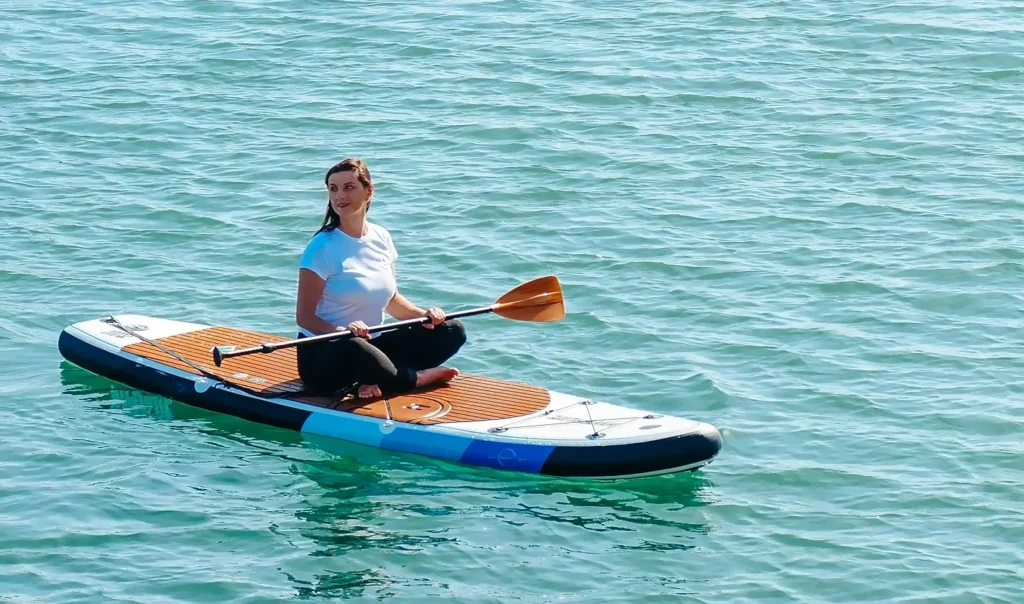
Try Something You’ve Never Done Before
Routine feels safe, but novelty rewires your brain in ways comfort never will.
Trying a new activity forces your brain out of autopilot. That shift alone can lower stress and boost mood, according to psychologists who study novelty’s effect on wellbeing. The unfamiliar keeps your mind present instead of replaying yesterday’s inbox.
Along this coast, options abound. Rent a paddleboard in Wrightsville Beach and wobble your way across the calm sound side. Or book a shrimping charter out of Shem Creek near Charleston, where locals still haul nets the old-fashioned way.
What most visitors don’t know: many small coastal towns offer one-off classes through local surf shops or nature centers. A single lesson costs less than dinner and delivers way more memory value.
Insider tip:
Corolla‘s wild horse tours in the Outer Banks offer something you genuinely can’t do anywhere else. Watching wild mustangs roam undeveloped dunes resets your whole sense of scale, in the best way.

Walk Barefoot and Let the Sand Do Its Thing
Grounding sounds like a wellness buzzword, but the mechanism is refreshingly simple.
Walking barefoot on natural surfaces like sand may reduce inflammation and improve mood, based on early grounding research. Whether or not you buy every claim, the sensory experience alone does plenty of good. Cool sand against bare feet slows your breathing almost instantly.
Folly Beach‘s flat, hard-packed sand near low tide makes for an easy, meditative walk. Meanwhile, over in Myrtle Beach, the wide shoreline near Springmaid Pier gives you room to wander without dodging umbrellas.
Local’s take:
Skip flip-flops for at least twenty minutes each morning. Locals who surf or fish daily swear the barefoot habit changes how the whole day feels underfoot and otherwise.
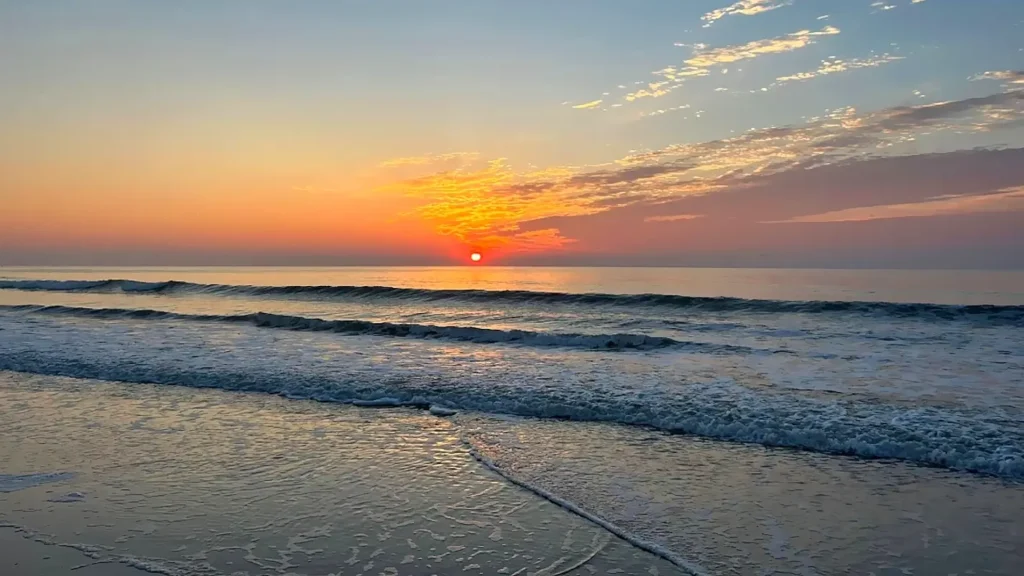
Watch the Sunrise Before the Crowds Wake Up
Nothing recalibrates a stressed mind faster than watching the sky change color over open water.
Morning light exposure helps regulate your circadian rhythm, which directly affects mood and sleep quality. Combine that with the stillness of an empty beach, and you’ve got a genuinely powerful reset button.
The Outer Banks offers arguably the best sunrise real estate on the entire East Coast, since the barrier islands face due east. Jockey’s Ridge State Park in Nags Head lets you watch the sunrise from the top of massive dunes, which honestly feels like cheating.
Further south, Sullivan’s Island near Charleston delivers quieter mornings with far fewer tourists than downtown beaches. Bring coffee, find a spot near the lighthouse, and let the morning do its work.

Go Beachcombing for Shells and Sea Glass
There’s something almost meditative about scanning sand for small treasures.
Beachcombing engages focused attention, a mental state associated with reduced anxiety and improved mood. It’s essentially mindfulness disguised as a hobby, minus the awkward cushion sitting.
Sanibel gets all the shelling fame down in Florida, but Carolina beaches hold their own. Topsail Island regularly yields whelks, olive shells, and the occasional shark tooth after a good storm. Meanwhile, Edisto Beach in South Carolina remains a sleeper favorite among serious shell collectors.
What most visitors don’t realize: sea glass hunters flock specifically to Emerald Isle, where decades of shipping traffic left behind surprisingly frequent glass finds.
Insider tip:
Hunt right after a low tide following stormy weather. That combination churns up the best finds, since fresh shells wash in before crowds pick the shoreline clean.
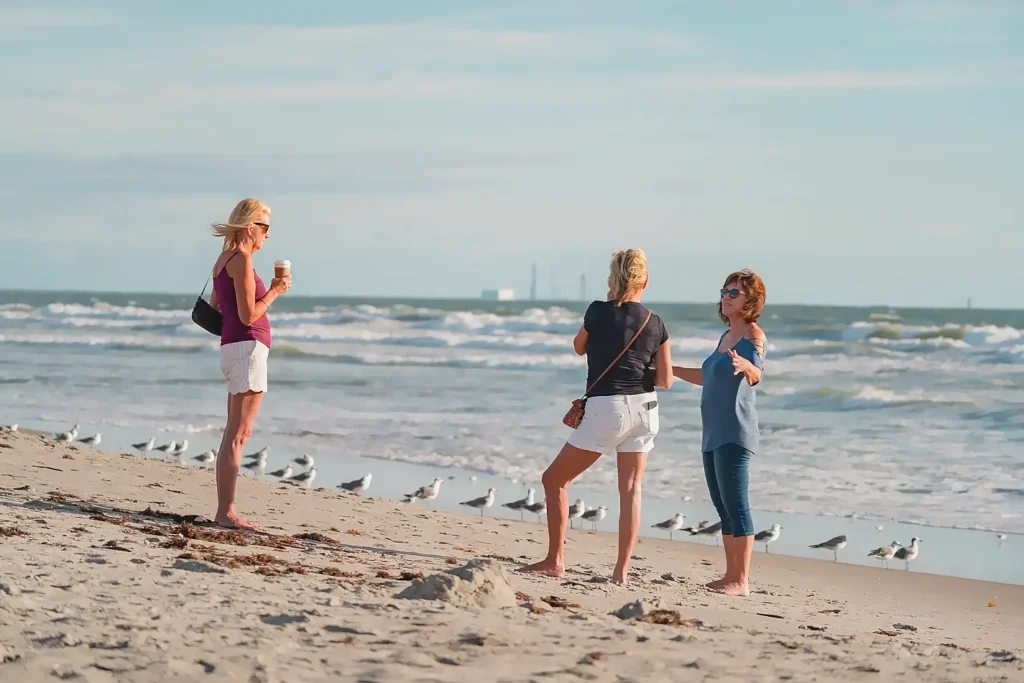
Talk to Strangers on the Sand
Connection matters more than most vacationers admit, and beaches make socializing remarkably low-pressure.
Casual social interaction, even brief and unplanned, measurably boosts mood and reduces feelings of isolation. Beach settings strip away the usual social barriers. Nobody’s dressed up, everyone’s relaxed, and small talk flows easier near water.
Folly Beach’s Washout area buzzes with friendly surfers happy to chat between sets. Meanwhile, Wrightsville Beach’s public pier draws a steady mix of anglers and regulars who’ll gladly explain what’s biting that day.
Local’s take:
Carolina beach towns run on a specific kind of hospitality. Strike up a conversation with a longtime local, and you’ll likely leave with a restaurant recommendation better than anything online.
FAQ: Mental Health and Beach Vacations
Does spending time at the beach actually reduce stress?
Yes. Ocean sounds, natural light, and reduced sensory clutter all contribute to measurable stress reduction during beach visits.
What time should I watch sunrise on the Carolina coast?
Check local tide and sunrise tables for your specific beach, since timing shifts seasonally and by location.
Is grounding or barefoot walking backed by science?
Early research suggests benefits, though studies remain limited. The sensory and calming effects are well documented regardless.
Where’s the best beach for shell hunting in the Carolinas?
Topsail Island and Edisto Beach both offer strong, less-crowded shelling opportunities compared to busier tourist beaches.
Do I need to plan special activities to boost my mood on vacation?
Not necessarily. Simple changes like walking barefoot or chatting with a local can meaningfully shift your mood.
Every stretch of this coast, from the Outer Banks down to the Lowcountry, offers its own quiet form of therapy. Come find yours.
For more Carolina vacation area guides and Carolina coastal travel inspiration, keep exploring explorecarolinabeaches.com
Planning a Carolina beach trip? Use our Beach Finder Quiz to get a personalized recommendation, or compare any two beaches side by side with the Carolina Beach Comparison Tool.
📱 Download our free Carolina Beaches app — Get it here