
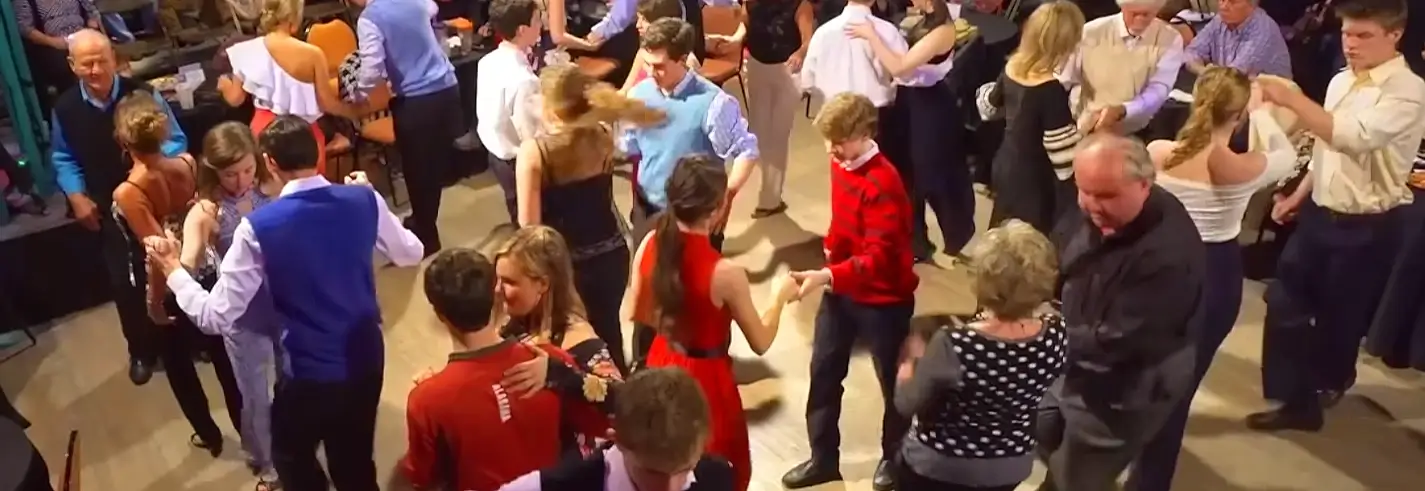
Walk into any beach club along Ocean Drive after dark, and you’ll spot them immediately. Couples gliding across a wooden floor, barely lifting their feet, faces completely relaxed. That’s the Carolina Shag, and once it hooks you, it doesn’t let go.
We’ve spent plenty of nights on those dance floors ourselves. Trust us: this isn’t your grandmother’s ballroom dancing, even though your grandmother might outdance you.
Affiliate Disclosure: This page contains affiliate links. If you book through them, we may earn a small commission at no extra cost to you.
What Is Shag Dancing, Exactly?
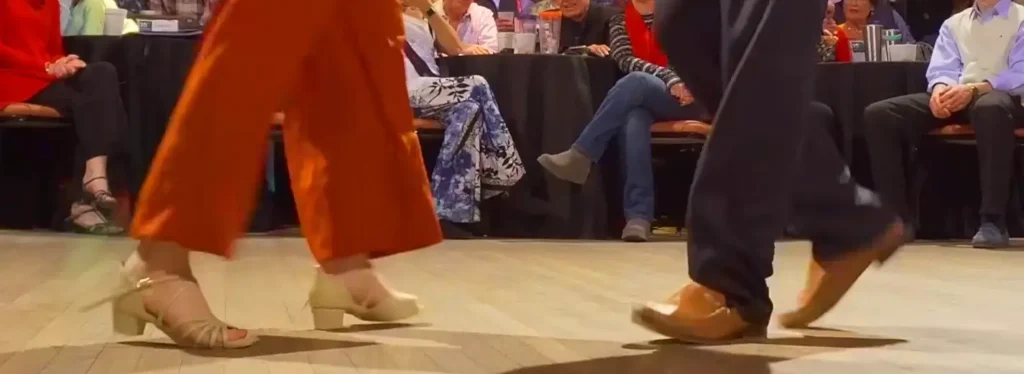
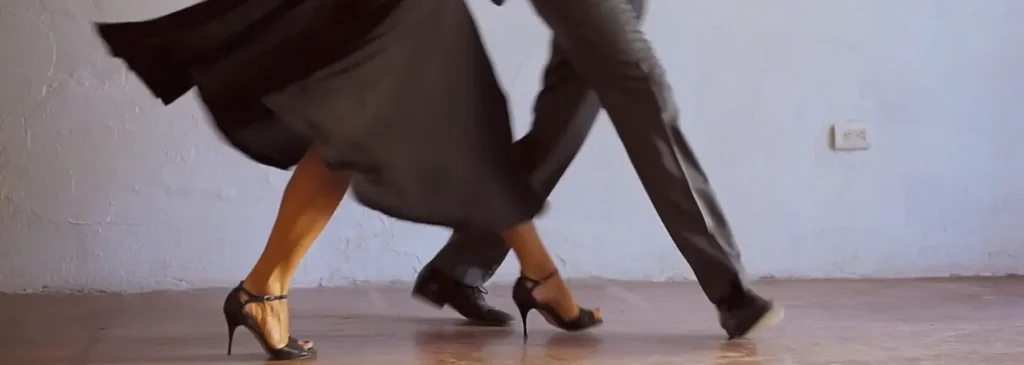
The Carolina Shag is a partner dance built around smooth, low-key footwork. Dancers keep their upper bodies relaxed while their feet do intricate, syncopated work below. Unlike swing dancing’s bouncy energy, shag stays cool and unhurried, almost lazy on purpose.
The basic pattern counts out as “one-and-two, three-and-four, five-six.” Partners connect through subtle hand leads rather than big, showy movements. Consequently, two dancers can shag comfortably even in a crowded, sweaty club without knocking anyone over.
South Carolina made it official in 1984, naming the shag its state dance. That same year marked the first National Shag Dance Championship, still running today. Meanwhile, North Carolina claims deep roots in the dance’s story too, which we’ll get into shortly.
Local’s take:
Watch a Masters division couple dance before you attempt your first lesson. Their economy of movement teaches you more than any instructional video could.
Where Was Shagging Invented?
Here’s where things get delightfully contested. Most historians trace the shag’s roots to African American communities along the coast in the late 1930s. From there, it evolved through Black jazz clubs and dance halls throughout the following decade.
By the 1940s, the dance had spread along the Atlantic Coast between Wilmington, North Carolina, and Myrtle Beach, South Carolina. Some say Ocean Drive in North Myrtle Beach birthed the specific style we recognize today. Others credit Carolina Beach, North Carolina, with actually coining the term “shag” itself.
Either way, both Carolinas share a genuine claim to this dance’s DNA. That’s exactly why this stretch of coast, from the Outer Banks down through the Lowcountry, treats shag as shared cultural heritage rather than one town’s trademark.
What most visitors don’t know:
The shag descended from earlier dances like the Collegiate Shag and Jitterbug, blended with Black musical traditions largely erased from mainstream radio at the time. Understanding that history adds real weight to every step on the dance floor.
The Music Behind the Moves
Shag lives and dies by “beach music,” a genre born from post-war rhythm and blues. Think smooth vocal harmonies, danceable tempos, and lyrics built for slow, romantic summer nights. Artists like The Tams, The Embers, and General Johnson & The Chairmen of the Board defined the sound for generations.
Beach music isn’t quite Motown, and it isn’t quite doo-wop, though it borrows liberally from both. Instead, it occupies its own lane: mid-tempo, soulful, and endlessly danceable. Local radio stations and shag club DJs keep the genre alive well beyond its 1960s heyday.
Local’s take:
Ask any longtime shagger about “Carolina Girls” by General Johnson, and watch their whole face light up. That song practically functions as this culture’s unofficial anthem.
Who Actually Shags? (The Age Range Might Surprise You)
Shag culture skews older, sure, but don’t assume it’s exclusively a retiree pastime. National Shag Dance Championship divisions run from Junior I, starting around age five, all the way through Masters, often well into someone’s seventies or eighties. That range alone tells you everything about this dance’s staying power.
Younger dancers are showing up more each year, too, partly thanks to programs like Junior SOS. Meanwhile, plenty of thirty- and forty-somethings discover shag through weddings, vacations, or curious late-night wandering into a club on Main Street. Once you’re hooked, age genuinely stops mattering.
Local’s take:
Don’t let a crowded floor of confident sixty-somethings intimidate you. Most shaggers love teaching beginners, and a genuine compliment on their footwork earns instant goodwill.
Where to Actually Learn
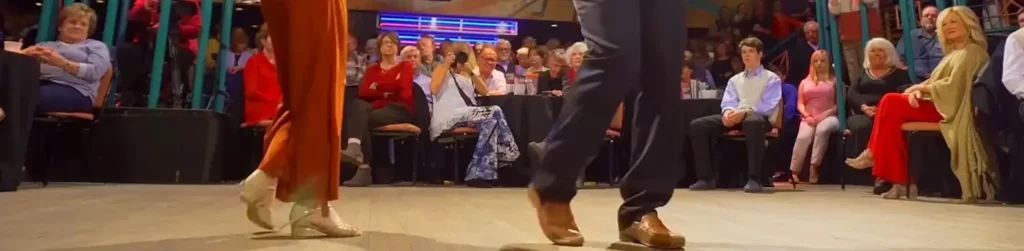
North Myrtle Beach’s Ocean Drive section remains ground zero for shag lessons. Fat Harold’s Beach Club, Duck’s Beach Club, OD Arcade and Lounge, and Pirate’s Cove Lounge all offer regular group lessons throughout the year. Prices stay reasonable, typically running well under what a big-city dance studio would charge.
Beyond formal lessons, plenty of clubs simply welcome beginners onto the floor during regular open dance nights. Watching first, then jumping in during a slower song, works well for most newcomers. Consequently, you don’t necessarily need a scheduled lesson to start picking up the basics.
What most visitors don’t know:
Many clubs teach a simplified six-count pattern before introducing full eight-count combinations. Starting simple keeps frustration low and confidence high.
Festivals and Events Worth Planning a Trip Around
The Society of Stranders, universally known as SOS, runs the shag world’s biggest annual gatherings. Spring Safari takes over Ocean Drive for roughly ten days in late April, packed with live music, dancing, and a genuinely fun parade. Fall Migration follows suit each September, drawing thousands back for another extended celebration.
A smaller Mid-Winter Break event also happens in January, giving dedicated shaggers a reason to brave the off-season. Beyond SOS gatherings, the National Shag Dance Championship finals take over the Spanish Galleon each March. Expect three nights of serious competition across multiple skill divisions, plus a genuinely entertaining show even for non-dancers.
Local’s take:
Book accommodations well ahead of Spring Safari or Fall Migration. These events fill up North Myrtle Beach hotels fast, and prices climb accordingly the longer you wait.
Where to Stay
Comparing hotel rates through Travelocity gives you a fast way to scan North Myrtle Beach options before SOS season prices spike. Many shaggers also book weekly rentals directly along Ocean Drive, putting them steps from the clubs themselves.
Budget travelers should note Red Roof Inn operates a nearby Myrtle Beach location, a reasonable option if you don’t mind a short drive up to Ocean Drive each night. Staying closer to Main Street costs more, but it does mean rolling out of bed and straight onto the dance floor.
Final Word
This dance survived rock and roll, disco, and decades of changing tastes without losing an ounce of its cool. That kind of staying power doesn’t happen by accident. Come for a lesson, stay for the beach music, and you’ll understand exactly why the Carolina coast still can’t stop shagging.
There are other reasons to visit North Myrtle Beach in September besides SOS Fall Migration. Warm water, lower prices, and an extensive schedule of coastal celebrations throughout both Carolinas are the hallmarks of fall. For a comprehensive regional overview, see our guide to the top fall beaches along the Carolina coast.
Frequently Asked Questions
What exactly is Carolina shag dancing? It’s a smooth, low-key partner dance built around an eight-count footwork pattern, danced to beach music.
Where did shag dancing originate? Historians trace its roots to African American communities in the late 1930s, evolving throughout the 1940s along the coast between Wilmington, NC and Myrtle Beach, SC.
Is shag dancing only for older people? No. Competition divisions run from age five through Masters level dancers in their seventies and eighties, with younger dancers increasingly joining in.
Where can I take shag lessons? Clubs along Ocean Drive in North Myrtle Beach, including Fat Harold’s and Duck’s Beach Club, offer regular group lessons year-round.
When are the biggest shag festivals? SOS Spring Safari runs in late April, and Fall Migration happens each September, both centered on Ocean Drive.
Is shag the official state dance of South Carolina? Yes, the South Carolina General Assembly made it official in 1984.
What music do shaggers dance to? Beach music, a genre of post-war rhythm and blues featuring artists like The Tams and The Embers.
For more beach guides and Carolina coastal travel inspiration, keep exploring explorecarolinabeaches.com
Planning a Carolina beach trip? Use our Beach Finder Quiz to get a personalized recommendation, or compare any two beaches side by side with the Carolina Beach Comparison Tool.
📱 Download our free Carolina Beaches app — Get it here