
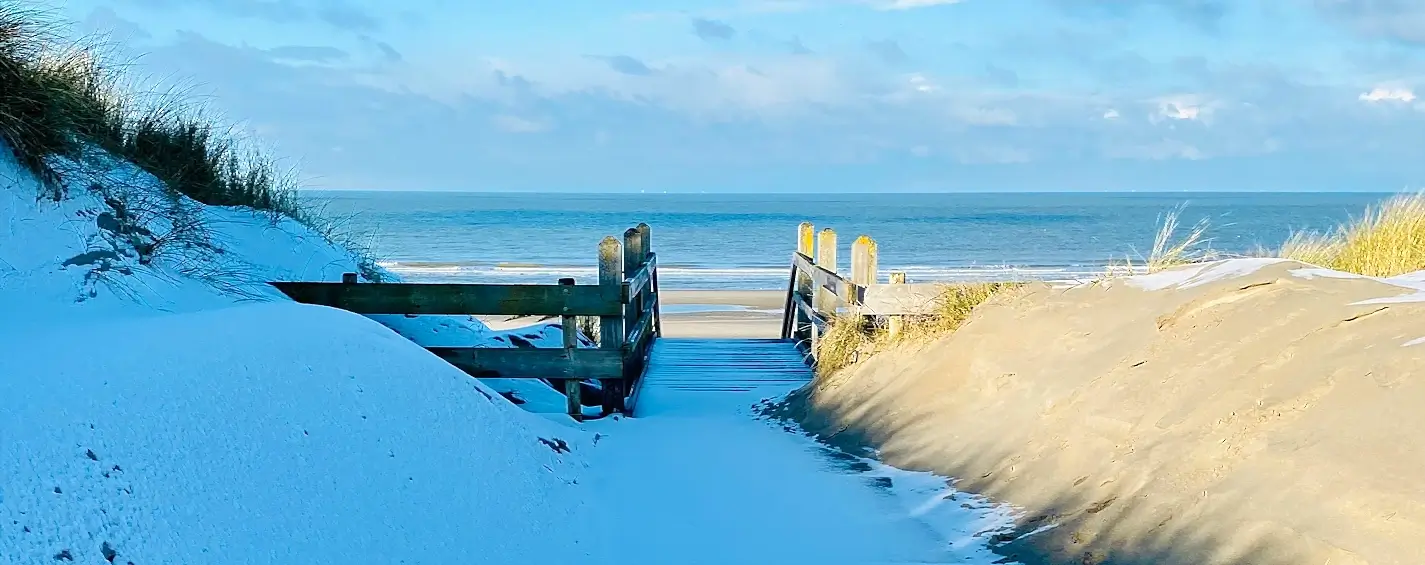
Every January, half the East Coast flees to Florida. Meanwhile, the Carolina coast empties out, prices crater, and locals get their beaches back. Winter here is not a consolation prize. It is a different trip entirely, and honestly, it might be the better one.
But let’s be straight with each other. You will not be swimming. Some of your favorite summer spots will be dark. And the wind has opinions. If you come prepared, though, January and February deliver empty sand, crackling oyster roasts, and oceanfront rooms at motel prices.
Affiliate Disclosure: This page contains affiliate links. If you book through them, we may earn a small commission at no extra cost to you.
The Honest Weather Report
First, the numbers. The Outer Banks in January averages highs near 50 and lows in the mid-30s. The Grand Strand runs a few degrees warmer. Charleston and the Lowcountry are the mildest of all, with highs often reaching the upper 50s.
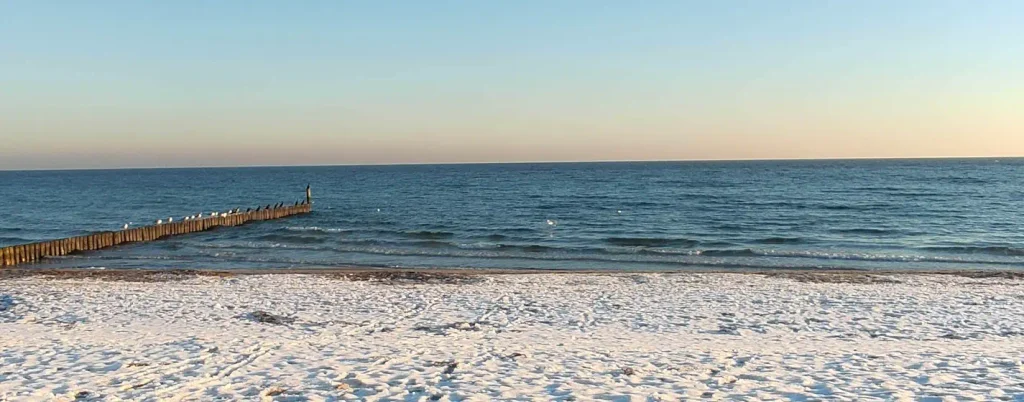
However, temperature only tells half the story. Wind is the real winter weather maker here. A calm, sunny 52-degree afternoon feels downright pleasant on a sheltered beach. Add a stiff northeast blow, and that same thermometer reading feels like betrayal.
What most visitors don’t know:
Brilliant blue-sky days are common all winter. So pack for wind first and cold second. A good windbreaker matters more than a heavy parka.
What’s Actually Open: The Town-by-Town Truth
The answer depends entirely on where you go.
The central Outer Banks, meaning Kitty Hawk, Kill Devil Hills, and Nags Head, stays the most alive. Grocery stores, breweries, coffee shops, and a solid core of restaurants run year-round because locals actually live there. Drive south toward Hatteras or north to Corolla, and things get thin fast. Many restaurants and shops there take a winter break, so call ahead before making the drive.
Meanwhile, the Crystal Coast keeps its working-waterfront rhythm. Morehead City and Beaufort are real towns with real year-round life. The boats still go out, and the seafood markets are still open.
Wilmington barely notices winter. It’s a proper small city, so restaurants, breweries, and the Riverwalk hum along. Wrightsville Beach quiets down, but it never fully sleeps.
The Grand Strand is the energizer bunny of the Carolina coast. Myrtle Beach keeps a huge amount open year-round: restaurants, the boardwalk, the aquarium, and plenty of golf. The big production shows scale back, but there is still plenty to fill a weekend.
Finally, Charleston might be the single best winter bet. It’s a year-round city with world-class food, so “off-season” mostly means shorter lines and easier reservations. Folly Beach and Isle of Palms slow down, but the city itself never does.
Local’s take: If you want the liveliest winter trip, pick a place with a year-round local population. Tourist-only strips hibernate. Real towns don’t.
Where to Eat: Oyster Season Is the Headliner
Here is the delicious irony. Winter is the absolute peak of oyster season. North Carolina oysters run from October through March, and January and February are prime time: cold water, firm meats, and briny perfection.
The Lowcountry oyster roast is a full-blown social institution. Steamed clusters, newspaper-covered tables, cold drinks, zero pretense. Look for roast events at parks, farms, and waterfront venues from Charleston to Beaufort. The NC Oyster Trail also maps out farms and raw bars worth the drive.
Beyond oysters, most good independent restaurants in the year-round towns stay open. That said, winter hours can be quirky. Some beloved spots close for a few weeks in January for their own vacations. Others cut back to Thursday-through-Sunday schedules. The rule is simple and non-negotiable: check hours and call ahead, especially on Hatteras Island and in Corolla.
What most visitors don’t know:
Winter is when chefs experiment. With smaller crowds, kitchens roll out specials and new dishes they’d never risk in July. Ask your server what’s new. You might taste next summer’s menu first.
Where to Stay: Oceanfront Views, Motel Prices
Winter is when the coast’s lodging math gets silly in your favor. Oceanfront rooms that command $300 in July often drop below $100 in February. Vacation rentals slash weekly rates, and many offer monthly snowbird deals.
For budget travelers, the chains deliver real value. The Red Roof Inn in Wilmington sits five minutes from Wrightsville Beach and welcomes pets at no extra charge. Its Myrtle Beach location near Market Common stands two blocks from the sand and is pet-friendly too. Both make easy, affordable winter bases.
Prefer a rental? Look for fireplaces and hot tubs. A stormy February night hits differently than a steamy deck tub with the ocean roaring below. Book direct when you can, but compare winter rates on Travelocity as well. The discounts are real, and the filters make it easy to find pet-friendly or oceanfront picks.
Local’s take: January is the emptiest month and the cheapest. If your schedule flexes, go then.
What to Do: The Empty-Coast Playbook
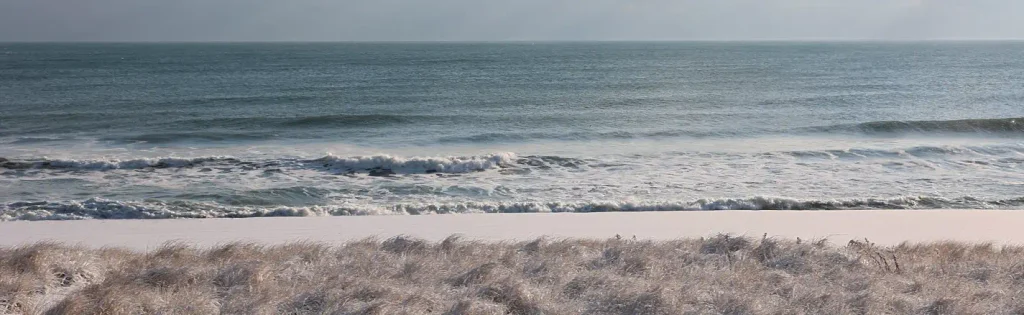
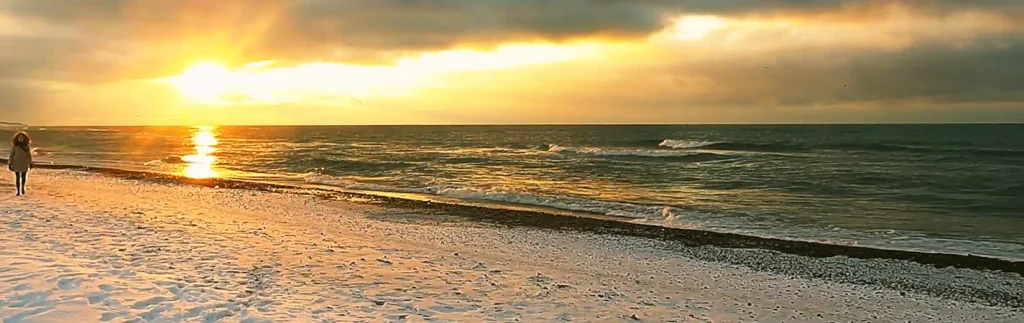
The number one winter activity is gloriously simple: walk the beach. No crowds, no umbrellas, no coolers. Just you, the surf, and maybe a dolphin or two. Winter storms also churn up the best shelling of the year. After a big blow, Shackleford Banks and the Cape Lookout shoreline are famous for sand dollars and whelks.
Jockey’s Ridge in winter is a revelation. The tallest living sand dune on the East Coast sits completely empty, with hang gliders still soaring on windy days. You’ll have the sunset mostly to yourself.
Birders, take note. Pea Island National Wildlife Refuge and Huntington Beach State Park host thousands of wintering waterfowl. Tundra swans, snow geese, and ducks pack the impoundments from December through February. Bring binoculars and thank me later.
The wild horses don’t take winters off either. Shackleford Banks and the four-wheel-drive beaches of Carova are home to wild herds year-round. Winter’s thin crowds make sightings easier, and the low light is a photographer’s dream.
When you need indoor time, the North Carolina Aquariums at Pine Knoll Shores, Roanoke Island, and Fort Fisher all run year-round. Brookgreen Gardens stuns in winter, and its Nights of a Thousand Candles light show typically runs into the first days of January. Lighthouse grounds stay open for wandering even when climbs pause for the season.
And then there’s storm watching. Pick a rental with a big deck, brew something hot, and watch gray-green rollers pound the beach. It’s free, it’s dramatic, and summer tourists never get it.
The Local’s Winter Playbook
A few hard-won tips from people who do this every year.
Pack layers, not bulk. You’ll swing from chilly morning to pleasant afternoon and back again. A windbreaker, a fleece, and a warm hat cover 90 percent of winter beach days.
Plan around the early sunset. In January the sun drops before 5:30. Start beach walks by mid-afternoon and save dinner for after dark.
Check hours before you drive anywhere. This applies doubly on Hatteras Island, in Corolla, and in small South Carolina beach towns. A quick call beats a 40-minute drive to a dark parking lot.
Go on weekdays if you can. Winter weekends can still draw a modest crowd to popular spots. On a Tuesday, though, you’ll have the place to yourself.
Finally, embrace the slower pace. Winter at the beach is not about doing everything. It’s about long walks, long lunches, and watching the light change. Let it be quiet.
Ask anyone who lives here, and they will tell you the off-season has one loud exception. New Year’s Eve turns the quiet coast into a string of waterfront parties, from a ball drop at The Market Common to harbor fireworks in Manteo. Families get early countdowns, night owls get midnight fireworks, and the brave get a polar plunge on New Year’s Day. We rounded up the best ways to ring in the new year on the Carolina coast including where to stay when the winter rates are this good.
Frequently Asked Questions
Is the Carolina coast too cold to visit in winter?
Not if you dress for it. Highs run from around 50 on the Outer Banks to the upper 50s in Charleston. It’s crisp beach-walk weather, not swimming weather, and sunny days are common.
What’s actually open in January and February?
Year-round towns stay lively: the central OBX, Morehead City, Beaufort, Wilmington, Myrtle Beach, and Charleston. Resort-only strips like Corolla and parts of Hatteras Island go quiet, with many businesses on winter hours or closed.
Can you swim in the ocean in winter?
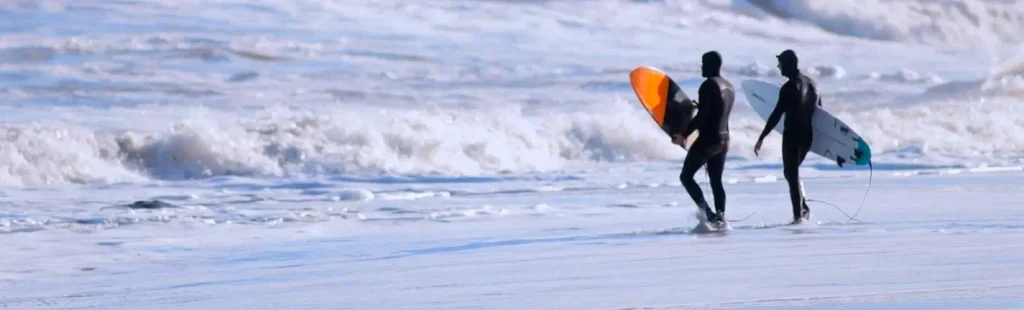
Only if you’re brave or wearing a wetsuit. Ocean temps drop into the 40s and low 50s. Surfers wear full winter wetsuits. Everyone else admires the water from the sand.
Are restaurants open in the off-season?
Many are, especially independents in year-round towns. However, some close for winter breaks or trim their hours. Always check hours and call ahead before driving out.
Is it actually cheaper to visit in winter?
Dramatically. Oceanfront hotel rooms often drop to a third of summer rates, and vacation rentals offer deep weekly and monthly discounts. January is typically the cheapest month of all.
What should I pack for a winter beach trip?
Layers, a windproof jacket, a warm hat, and comfortable walking shoes. Add binoculars for birding, and don’t forget sunscreen. Winter sun bouncing off the water still burns.
Summer gets the crowds, but winter gets the coast. Come see it the way the locals do: empty, honest, and quietly perfect.
For more Carolina vacation area guides and Carolina coastal travel inspiration, dive deeper into explorecarolinabeaches.com and our Festival Guides.
Planning a Carolina beach trip? Use our Beach Finder Quiz to get a personalized recommendation, or compare any two beaches side by side with the Carolina Beach Comparison Tool.
📱 Download our free Carolina Beaches app — Get it here