

Planning a coastal vacation should feel exciting, not exhausting. Yet somehow, every trip starts the same way: forty browser tabs, three different “best beaches” articles, and zero actual decisions made.
The Carolina coast stretches from the wild dunes of the Outer Banks down through the marshy charm of the Lowcountry. That’s a lot of coastline, and picking the wrong stretch for your travel style can turn a dream trip into a mismatched one. Here’s how to plan smarter, not harder.
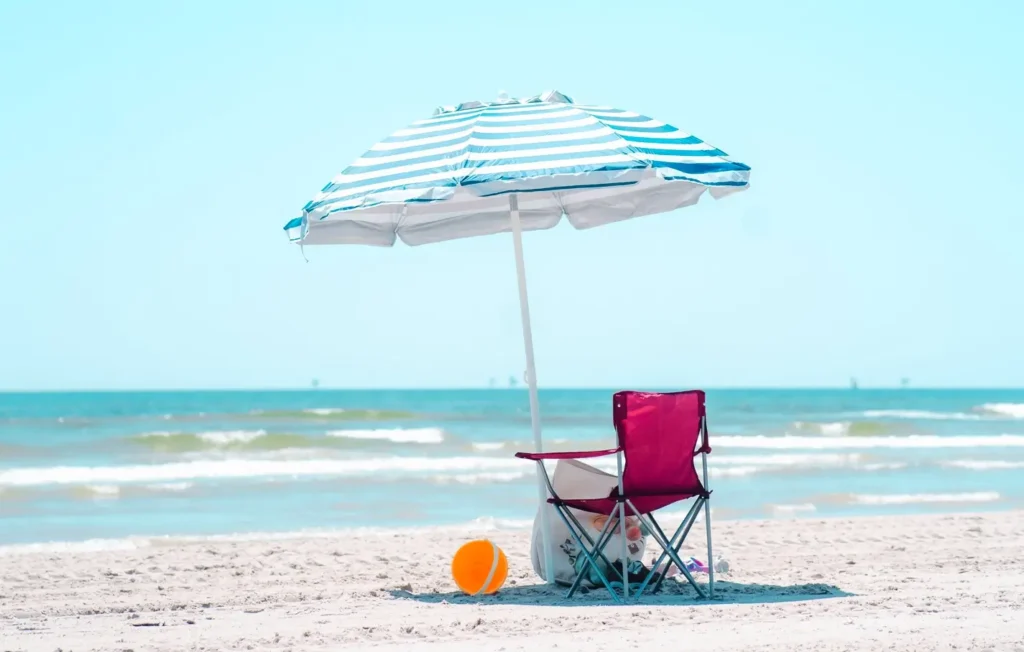
1. Start With Our Find Your Beach Tool
Before you fall down a rabbit hole of blog posts, let our Find Your Beach tool do the heavy lifting. Answer a few quick questions about your travel style, quiet versus lively, family trip versus romantic getaway, surf culture versus historic charm, and it matches you to the Carolina beach towns that actually fit.
From there, jump into our Beach Comparison Tool to stack your top picks side by side. Compare crowd levels, drive times, water conditions, and vibe without opening ten separate tabs. Most travelers narrow a list of fifteen possible destinations down to two or three in under five minutes.
Local’s take:
Families often assume Myrtle Beach and Wrightsville Beach are interchangeable. They’re not, and the comparison tool makes that obvious fast. One’s built for nonstop entertainment, the other for a quieter, more residential beach feel.
2. Book Lodging Before You Book Anything Else
Flights and rental cars can wait. Lodging can’t. Coastal towns book up fast, especially anything oceanfront or within walking distance of a pier or downtown strip.
Popular weekends, like the Fourth of July or any weekend tied to a local festival, can sell out three to four months ahead in towns like Charleston or Wilmington. Locking in your stay first prevents the dreaded “everything good is already booked” spiral.
What most visitors don’t know:
Many coastal rental properties require a Saturday-to-Saturday booking structure during peak summer months. Flying in on a Tuesday? Check that policy before falling in love with a listing.
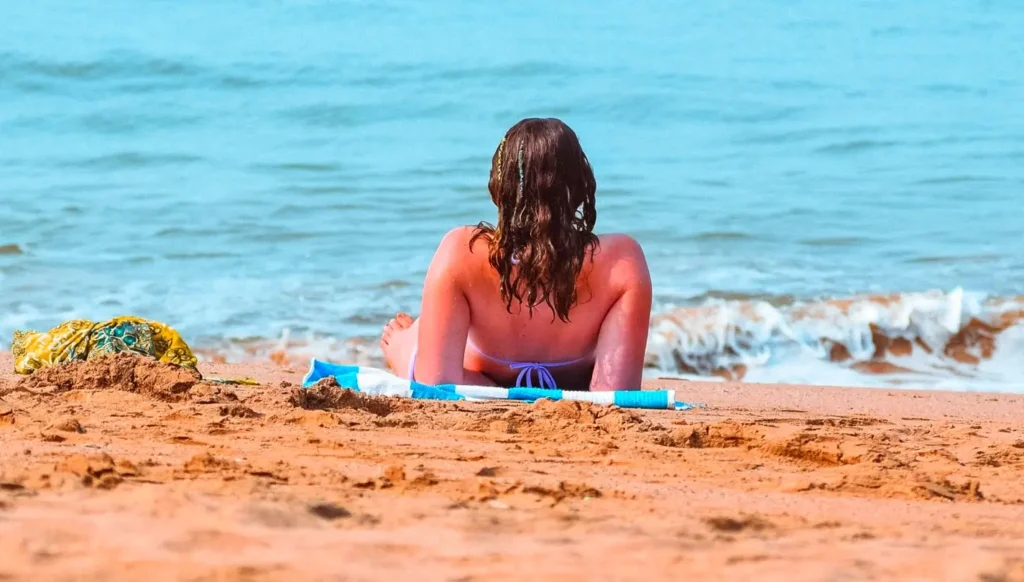
3. Check the Tide Charts, Not Just the Weather
Sunny skies don’t guarantee a great beach day. Tide timing changes everything, from how much sand you’ll actually have to whether that sandbar swimming spot is even accessible.
Low tide typically means wider beaches and better shell hunting. High tide means better waves for surfing but a much narrower stretch of sand for the umbrellas. Apps like NOAA Tides & Currents give free, accurate daily charts for any Carolina beach town.
Insider tip:
Plan your beach day around low tide if you’re traveling with kids who want space to build sandcastles. Plan around incoming tide if surfing or bodyboarding is the priority.
4. Pack for Humidity, Not Just Heat
Carolina coast summers run hot, but it’s the humidity that catches first-time visitors off guard. A 90-degree day here feels different than a dry 90-degree day out west.
Breathable fabrics matter more than sheer amount of clothing. Pack fewer items, but make sure they’re lightweight, quick-drying, and salt-air friendly. Cotton feels great on day one and miserable by day three once it’s damp and stays that way.
Local’s take:
A small portable fan and reusable ice packs make an enormous difference on beach days, especially for anyone unused to coastal humidity levels.
5. Leave Buffer Time for Ferry and Bridge Traffic
Several Carolina coast destinations require a ferry or a long bridge crossing, and both can eat far more time than Google Maps estimates. Ocracoke, Bald Head Island, and parts of the Lowcountry barrier islands all fall into this category.
Ferry schedules shift seasonally, and summer crossings often run at capacity. Arriving even twenty minutes past your intended ferry time can mean waiting for the next one, sometimes over an hour later.
What most visitors don’t know:
Some ferries operate on a first-come, first-served basis with no reservations, while others require booking weeks in advance. Confirm which type applies to your route before building a tight schedule around it.

6. Reserve Popular Restaurants Ahead of Time
Waterfront dining spots in towns like Charleston, Wilmington, and Beaufort fill up fast, especially for sunset seating. Walking in and hoping for a table works fine off-season, but summer weekends often mean an hour-plus wait without a reservation.
If a specific restaurant is a must-do, book it the same day you lock in your lodging. Popular spots with outdoor waterfront seating go first.
Insider tip:
Many coastal restaurants release same-week reservations that didn’t originally show as available. Checking back a day or two before your trip sometimes reveals last-minute openings, even at spots that looked fully booked a month out.
7. Build in At Least One Unplanned Day
The best coastal vacations usually include one day with absolutely nothing scheduled. That’s the day you stumble onto a roadside seafood shack, discover a quiet stretch of beach nobody mentioned online, or just nap longer than planned.
Overplanning a coastal trip often backfires. Weather shifts, kids get tired, and sometimes the best memory comes from an activity nobody researched in advance.
Local’s take:
Ask a local business owner, server, or hotel front desk what they’d do with a free day. Locals almost always know something better than what shows up in the top ten search results.
Plan Smarter, Not Harder
The Carolina coast rewards travelers who plan with intention but leave room for spontaneity. Start with the right destination match, lock in lodging early, then let the details fall into place around a little flexibility.
Whether you land on the wild shores of the Outer Banks or the quiet marshes of the Lowcountry, a little smart planning turns a good trip into an unforgettable one.
FAQ
What’s the best tool for choosing which Carolina beach to visit? Our Find Your Beach tool matches your travel style to the right destination, and our Beach Comparison Tool lets you stack top picks side by side before booking.
How far in advance should I book lodging on the Carolina coast? For peak summer weekends and holidays, book three to four months ahead, especially in high-demand towns like Charleston and Wilmington.
Do I need a reservation for Carolina coast ferries? It depends on the route. Some ferries operate first-come, first-served, while others require advance booking. Confirm your specific ferry’s policy before your trip.
What should I pack for Carolina coast humidity? Lightweight, quick-drying fabrics work better than heavier cotton. A portable fan and reusable ice packs also help on especially humid beach days.
Is low tide or high tide better for a beach day? Low tide offers more sand for building and walking, while high tide creates better conditions for surfing and bodyboarding.
For detailed guides to each beach, keep exploring explorecarolinabeaches.com
Planning a Carolina beach trip? Use our Beach Finder Quiz to get a personalized recommendation, or compare any two beaches side by side with the Carolina Beach Comparison Tool.
📱 Download our free Carolina Beaches app — Get it here