
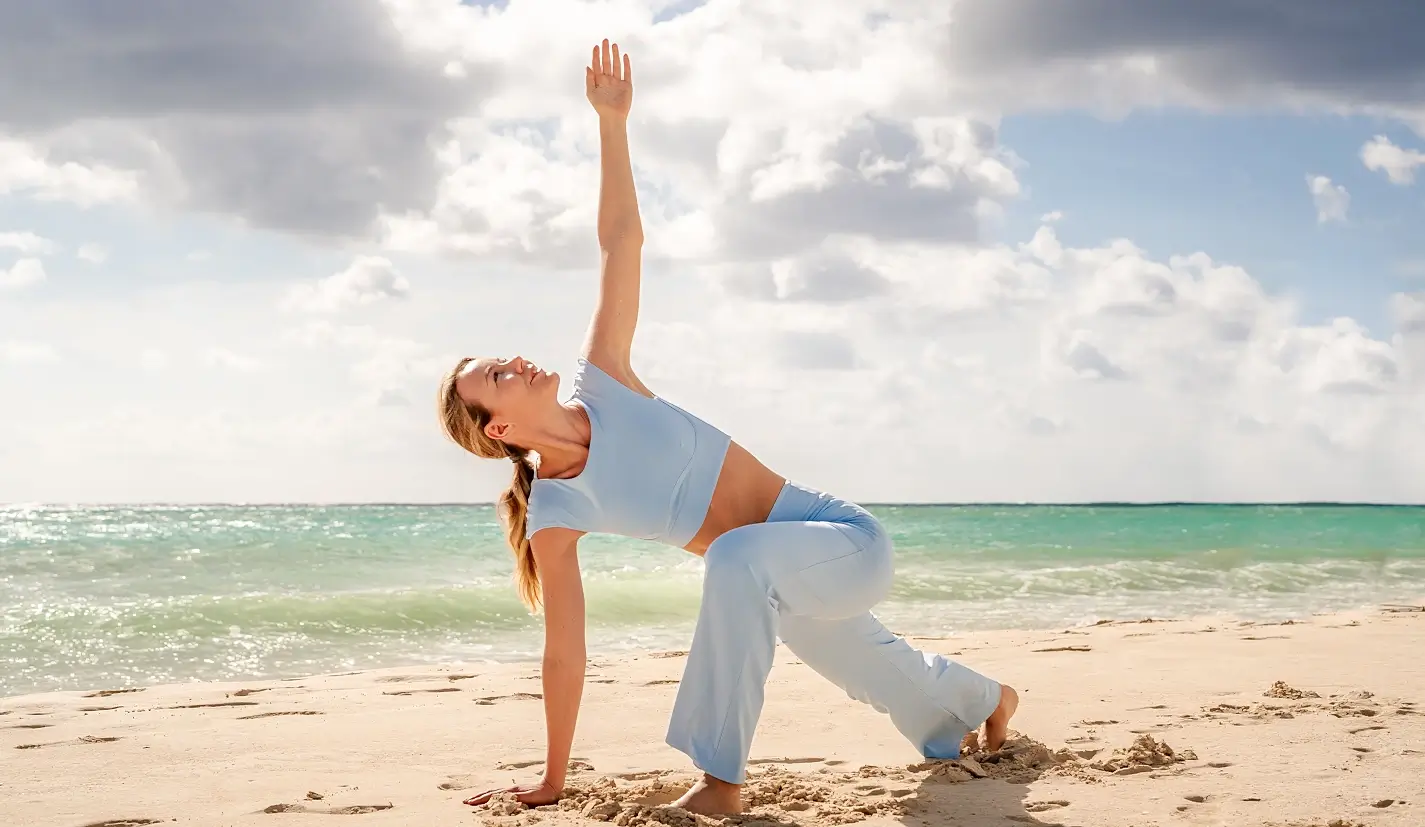
A few years ago, beach yoga felt like a novelty. Now it’s just Tuesday morning in Wrightsville Beach.
Up and down this coast, sunrise flows have become as routine as coffee runs. Yoga studios partner with resorts, piers double as makeshift studios, and instructors build entire businesses around salt air and sand. The Carolina coast didn’t invent beach yoga, but it’s certainly having a moment with it right now.
Part of the appeal is obvious. Trade a mirrored studio wall for open horizon, and suddenly your practice feels less like exercise and more like therapy. But there’s also something distinctly regional happening here, a blend of laid-back island culture and genuine wellness infrastructure that’s harder to find elsewhere on the East Coast.
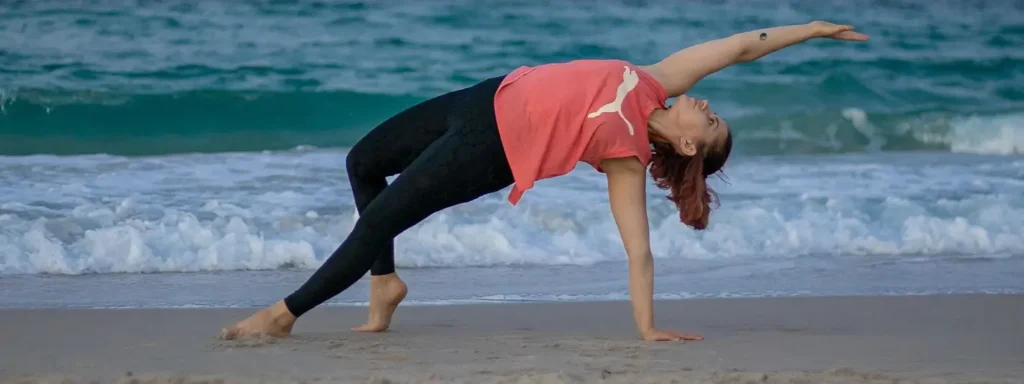
Is Beach Yoga Actually a Thing Here?
Short answer: absolutely, and it’s not slowing down anytime soon.
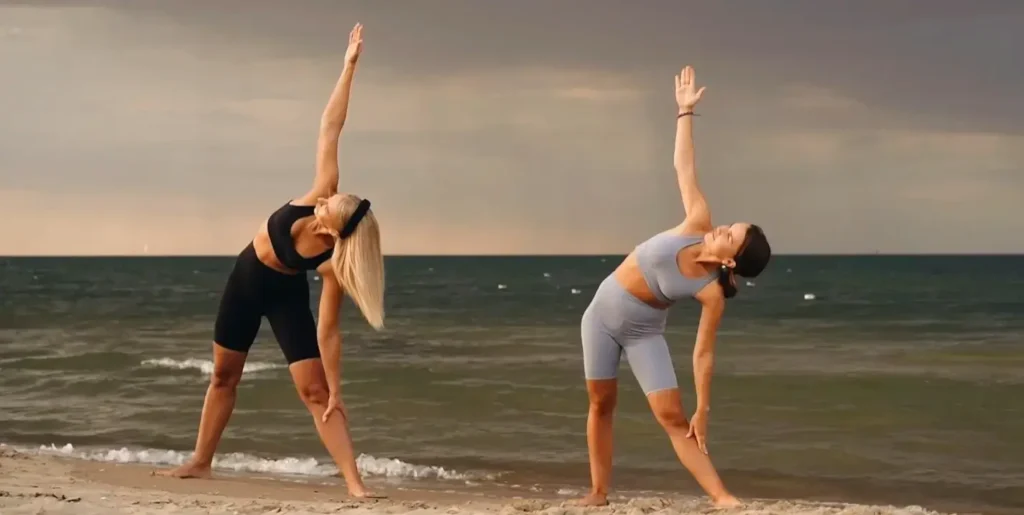
Coastal towns from the Outer Banks to the Lowcountry now host regular, organized beach yoga classes throughout the warmer months. Outer Banks Yoga runs sessions right at the Kitty Hawk Pier, drawing everyone from total beginners to seasoned yogis looking to switch up their routine. Meanwhile, further south, Serenity Tree Yoga rotates weekly classes between Folly Beach, Sullivan’s Island, and Mount Pleasant, giving Lowcountry locals several regular options depending on which stretch of coast they call home.
What most visitors don’t realize: this isn’t just a tourist activity dreamed up for Instagram. Locals treat these classes as genuine fitness routines, often building entire mornings around a 7:30 a.m. flow before the beach crowds arrive and before the summer heat turns unbearable. For many coastal residents, beach yoga functions less like a novelty and more like a gym membership with better views.
Insider tip:
Many of these classes run seasonally, typically kicking off in spring and wrapping by early fall. Check specific schedules before planning your trip around one, since exact dates shift year to year based on weather and instructor availability.
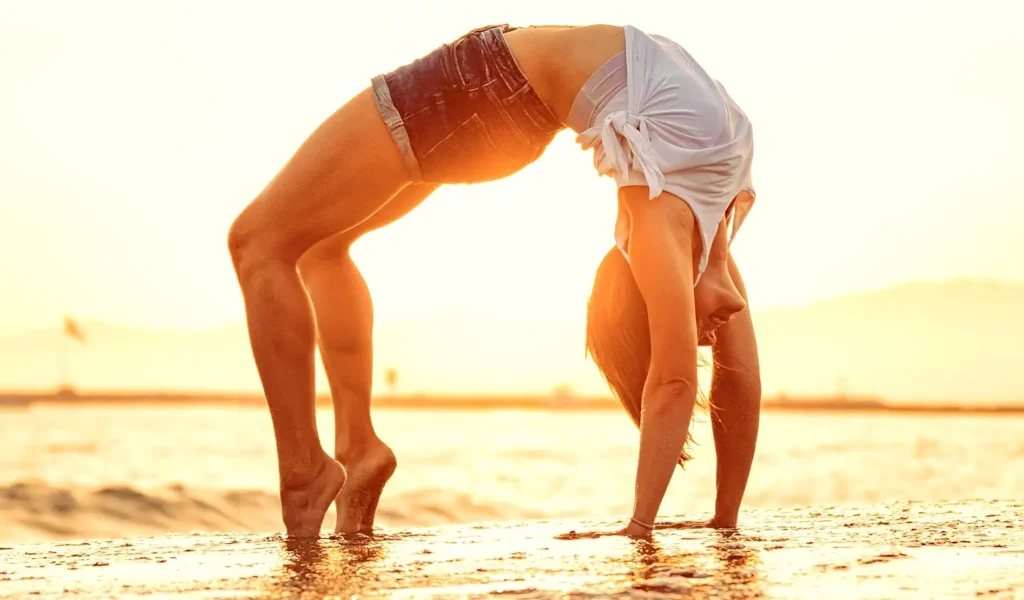
Popular Poses for Sand and Surf
Not every pose translates well to an unstable, sun-warmed surface, so beach yoga has developed its own unofficial playlist over the years.
Standing poses like Warrior II and Tree Pose actually benefit from sand’s instability, since it forces deeper engagement through your feet and core than a studio floor ever could. Instructors often note that students who struggle with balance indoors sometimes find sand oddly forgiving, since it naturally cushions small wobbles. Sun Salutations remain a beach yoga staple too, syncing naturally with sunrise classes along the water and giving the whole sequence a fittingly poetic rhythm.
Seated and reclined poses work beautifully here as well. Savasana on the beach, with waves providing the soundtrack, consistently ranks as practitioners’ favorite part of any coastal class. Instructors across the region report that final relaxation runs noticeably longer during beach sessions, since almost nobody wants to rush back up once they’re lying in the sand listening to surf.
Local’s take:
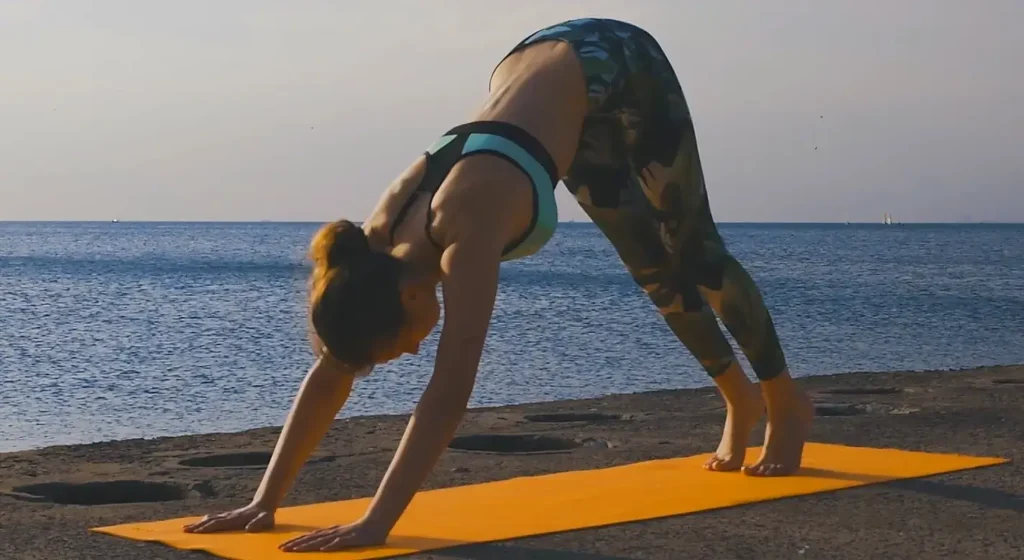
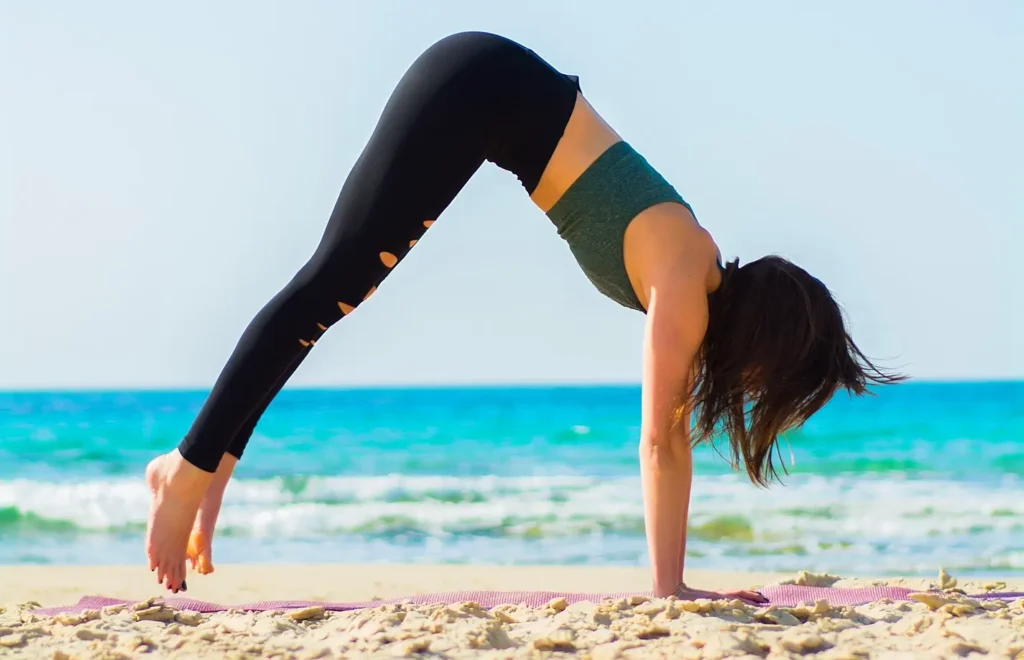
Skip inversions unless you’re on firm, packed sand near the tideline. Loose, dry sand higher up the beach makes handstands and headstands considerably harder to balance safely, and a faceful of sand tends to end the mood rather quickly.
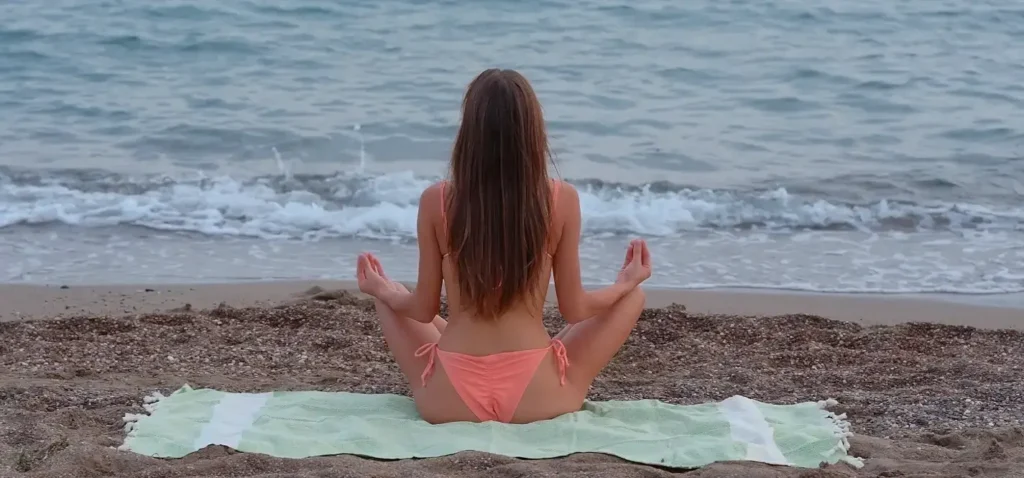
What to Wear for a Beach Session
Beach yoga attire differs slightly from your typical studio outfit, mostly thanks to wind, sun, and the occasional rogue wave that catches practitioners off guard.
Breathable, moisture-wicking fabrics work best, since humidity along this coast climbs fast even during early morning classes. Many practitioners layer a light rash guard or sun shirt, especially for longer sessions under direct sun where shade simply doesn’t exist. Darker colors tend to absorb more heat, so lighter, looser fabrics generally feel more comfortable once the sun climbs higher.
Sunscreen matters more here than in any studio class you’ve ever taken. Reapply before you start, since an hour of movement combined with ocean glare accelerates sun exposure significantly, even on cloudy mornings when the risk feels lower than it actually is.
Insider tip:
Leave the fancy leggings at home for sessions near the tideline. Salt water and sand aren’t kind to delicate fabric, and a quick-dry option saves you the hassle of scrubbing grit out of your gear afterward.
Can You Actually Teach Yoga on the Beach?
Yes, but it typically requires more than just showing up with a mat and good intentions.
Most Carolina coast municipalities require permits for organized group activities on public beaches, including yoga classes charging a fee to participants. Towns like Wrightsville Beach manage this through their parks and recreation department, which also runs its own municipal yoga classes alongside private studio offerings. This dual system means visitors often have both a budget-friendly municipal option and a more boutique studio experience to choose between.
Liability insurance matters too, and it’s not just paperwork for paperwork’s sake. Established local studios like BeUnlimited Yoga and Longwave Yoga typically carry coverage and secure permits well in advance of their seasonal schedules, which is part of why their classes run so smoothly compared to informal, unpermitted gatherings.
What most visitors don’t know: some of the most popular beach yoga spots aren’t actually on open beach at all. Blockade Runner Resort in Wrightsville Beach hosts its yoga series in seaside gardens rather than directly on sand, sidestepping several logistical headaches while still delivering that unmistakable coastal atmosphere guests are after.
What You’ll Need for Your Own Practice
Beyond a mat, although a towel is recommended, beach yoga calls for a slightly different toolkit than your living room setup back home.
A thick, sand-resistant mat with strong grip matters most, since standard studio mats can bunch or slide on uneven sand almost immediately. Some practitioners skip the mat entirely, opting for a large towel instead, especially during seated or reclined sequences where direct sand contact feels more grounding than restrictive.
Water is non-negotiable, full stop. Beach sessions dehydrate faster than indoor classes, thanks to sun exposure and salt air pulling moisture from your skin at a much quicker rate than most people expect.
Local’s take:
Bring a lightweight bag for your belongings, since beach winds have a talent for scattering unattended items across the sand mid-Warrior Pose. Weigh down loose items with shoes or a water bottle if you can’t keep an eye on them.
Where the Trend Is Headed Next
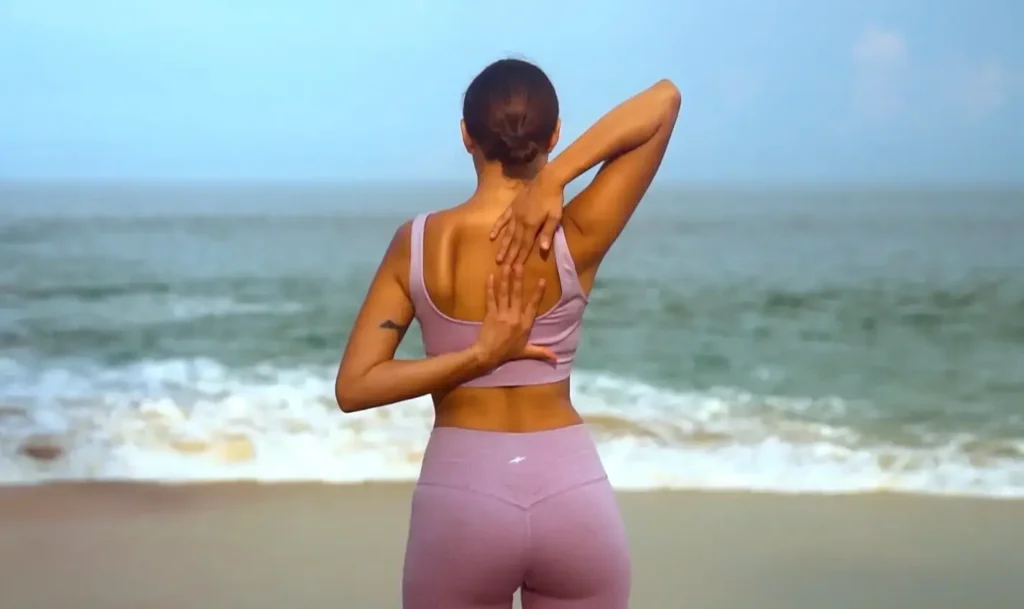
Paddleboard yoga has quietly become the next evolution of this trend, particularly around Wrightsville Beach’s calm sound-side waters. Longwave Yoga partners with local paddleboard companies once water temperatures warm each spring, blending balance training with an already popular local sport into something genuinely challenging and fun.
Sunset sessions are gaining traction too, expanding beach yoga’s definition well beyond sunrise classes. Wilmington‘s Yoga Village runs evening classes aboard the historic Battleship North Carolina, proving this trend keeps finding new backdrops even when actual sand isn’t involved.
FAQ: Beach Yoga on the Carolina Coast
Is beach yoga suitable for beginners?
Yes. Most coastal classes welcome all levels, though sand’s instability adds a mild challenge even to basic poses.
What time of year offers the best beach yoga conditions?
Late spring through early fall typically brings the mildest mornings and most consistent class schedules.
Do I need to bring my own mat?
Usually yes, though some studios provide mats and towels as part of class registration.
Is beach yoga free, or does it require registration?
Pricing varies by provider; some municipal programs charge per class, while private studios often require advance booking.
Can I practice beach yoga on my own without a class?
Absolutely, though checking local beach access rules and tide schedules first makes for a smoother session.
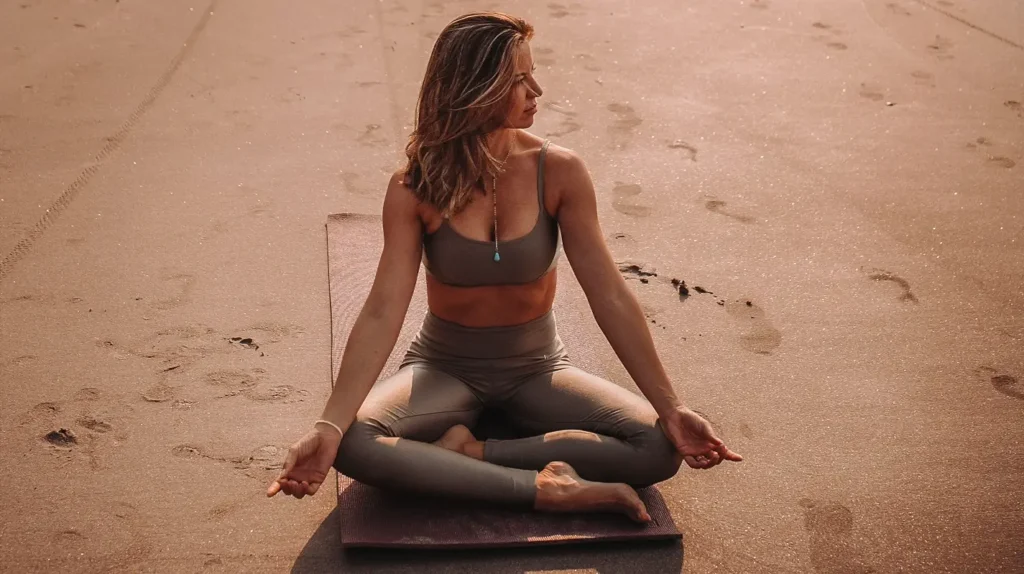
From Kitty Hawk sunrise flows to Folly Beach savasanas, this coast has fully embraced yoga’s slower, saltier side. Roll out a mat and see why.
For more Carolina vacation area guides and Carolina coastal travel inspiration, keep exploring explorecarolinabeaches.com
Planning a Carolina beach trip? Use our Beach Finder Quiz to get a personalized recommendation, or compare any two beaches side by side with the Carolina Beach Comparison Tool.