
Every October on Hatteras Island, where the Atlantic meets the sound and currents rip through the inlet, forty-pound red drum cruise the troughs a hundred yards from shore.
This is when the water still holds its summer warmth, the mullet are running, and bull reds stack up along Hatteras Island to feed hard before winter. It’s also precisely when the North Carolina Beach Buggy Association holds its biggest event: the Red Drum Tournament.
For 60 straight hours, hundreds of anglers spread along the Cape Hatteras National Seashore, fishing around the clock. Some chase a paycheck; most chase the feeling of a big drum peeling line off a reel at 2 AM under a wide-open sky.
Whether you’re entering, spectating, or just hoping to land your first fall red drum from the surf, here’s everything you need.
Affiliate Disclosure: This page contains affiliate links. If you book through them, we may earn a small commission at no extra cost to you.
The 2026 Tournament, By the Numbers
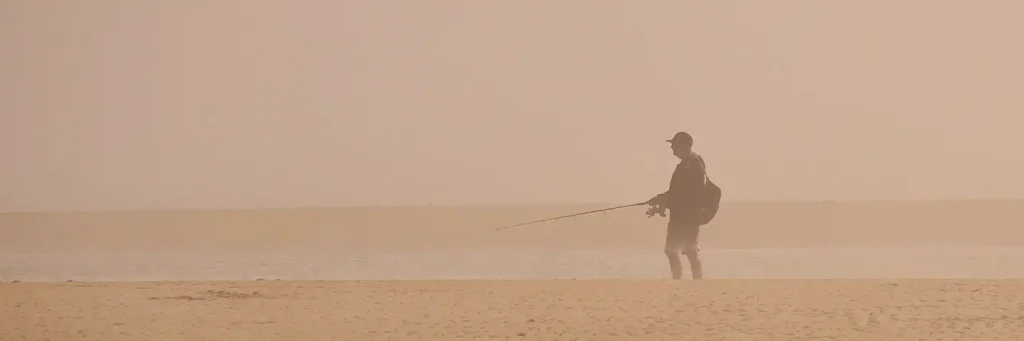
The 17th Annual NCBBA Red Drum Tournament takes place on Hatteras Island within the Cape Hatteras National Seashore, running from Wednesday, October 21, to Saturday, October 24. The competition begins at 6:01 PM on Wednesday and concludes at 6:00 AM on Saturday, offering 60 continuous hours of fishing and yes, anglers genuinely fish through the night.
A new rule for 2026 allows competitors to start on Wednesday evening instead of waiting until Thursday morning. This additional prime-time evening session is more significant than it might seem.
Locals note that this Wednesday evening addition is a bigger deal than most first-timers realize. Dusk is prime bite time, and an extra evening session provides an additional opportunity to catch the tournament’s largest fish before increased angler presence potentially reduces everyone’s odds.
How the Week Unfolds
Angler check-in and late registration will begin on Wednesday, October 21, from 8 AM to 6 PM at the Avon Firehouse (40159 Harbor Road, Avon, NC). One team member should pick up packets for everyone because parking is limited. Judges use the same window to check in.
That morning, there are two free instructional seminars at Ramp 34: Tommy Farmer’s casting clinic at 9 AM and Ryan White of Hatteras Jack’s alternative approaches session at 11 AM. Even those who aren’t competitors ought to stop by.
At 6:01 PM, fishing is officially open.
The fisherman have complete control over Thursday and Friday. From Ramp 23 to Ramp 45, there are no designated stations; nevertheless, Ramp 44 and the Cape Point region are not included. If you’re willing, reserve a space and go fishing all day.
Fishing will end at 6:00 AM on Saturday, October 24. The awards ceremony will take place in the Buxton Family Life Center Activity Building that afternoon. First-come, first-served seating is available; parking is available in the secondary school lot, and the first 300 individuals through the door are guaranteed food. Before you go, check the precise ceremony time at ncbba.org.
Registration, Cost, and What You Get
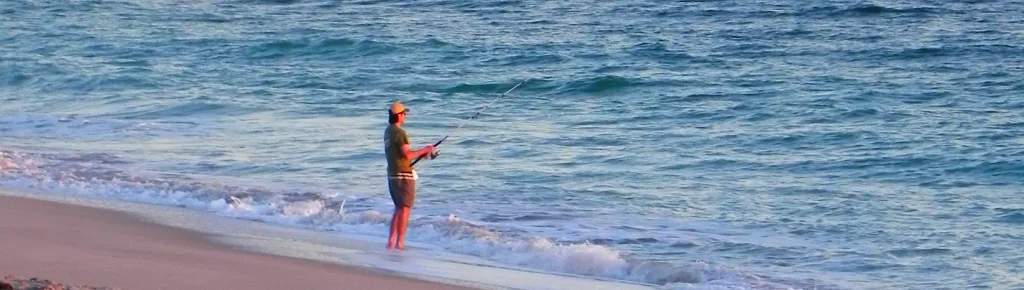
Registration and Fees: The entry fee is $130 per angler. Teams of three to six members can register together, but each member must pay individually. Mail-in registration closed on October 1. Online registration is available until October 16. After that, late registration will be in person only at the Avon Firehouse on October 21.
Angler Packet and T-shirt: Anglers who register by September 21 will receive a free limited-edition tournament T-shirt. Every registration packet includes a pin, a hat, fishing rigs, and entry into the door-prize lottery at check-in.
Prizes and Judging: Prize categories include red drum, bluefish, and sea mullet, with a total prize pool exceeding $14,000. Additionally, volunteers who serve as judges for two sessions are eligible for a separate $1,000 judges’ prize while remaining fully eligible for the regular competitor awards.
Watching Without Fishing
You can enjoy this one without paying an admission fee. Drive the beach with an ORV permit, catch fisherman working the surf at dawn, or stop by Wednesday’s free seminars at Ramp 34. The public is welcome to attend the Saturday awards ceremony in Buxton, which includes the whole results and the unavoidable big-fish tales.
Why Fall Owns This Stretch of Coast
Any serious surf angler on the coast of North Carolina will tell you the same thing: The best surf casting of the year happens in October and November.
Cooling water pushes bait south, bluefish blitz the surf, and big breeder red drum, the bulls, move into the breakers to feed heavily before winter.
The Outer Banks is the center of it. Cape Point at Buxton, where two currents collide, is legendary drum water. Oregon Inlet, Hatteras Inlet, and the long open beaches between the ramps all produce. Fall crowds are thin, rental rates drop, and you can have a mile of beach to yourself on a weekday morning.
Prime Spots
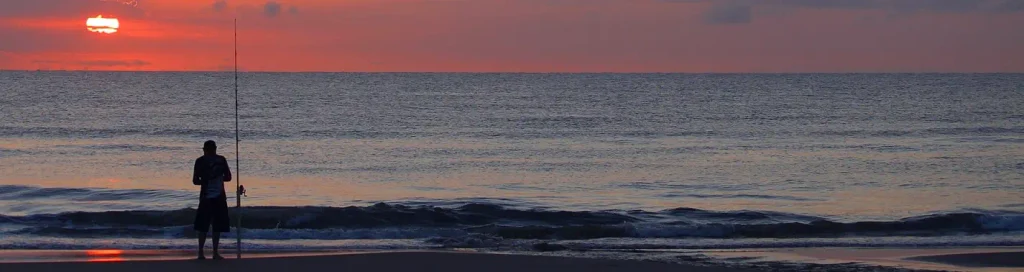
Cape Point, Buxton: The most famous red drum beach on the East Coast. Deep troughs close to shore and ripping current concentrate bait. Note that the immediate Cape Point area is excluded from the tournament boundaries, but it fishes great outside the event.
South Beach and the ramps south of Buxton: Ramps 43 and 45 put you on an open beach with good trough structure.
Oregon Inlet: The north side beaches and the inlet itself hold drum moving through. Fish the falling tide.
Hatteras Inlet and the Frisco beaches: Less pressure, classic slough-and-bar structure.
Anywhere with structure: You do not need a famous spot. Look for cuts in the outer bar, darker, deeper water (sloughs) between the bar and the beach, and places where the water changes color. That is where the drum cruise.
Bait, Rigs, and Gear
For large drum, simplicity and heavy tackle are key. Fresh-cut mullet, often called “jumping mullet,” are the most effective bait in the fall, with mullet heads being a local favorite. Fresh menhaden is a reliable alternative, and chunks of bluefish or tuna belly can also be productive.
Use a fish-finder rig with a 7 or 8-ounce sinker, a short leader, and a large circle hook. The sinker will hold the bottom against the current while allowing your bait to move naturally in the wash.
Pair an 11 to 14-foot surf rod, commonly known as a “heaver,” capable of casting 8 ounces plus bait, with a reel spooled with 20 to 30-pound braid and a 40 to 50-pound shock leader.
For smaller, slot-size “puppy drum,” scale down your tackle. Shrimp or small cut mullet on a two-hook bottom rig works well, as do sand fleas or a gold Hopkins spoon retrieved through the wash. Puppy drum are present nearly year-round, but fall is also their prime season.

Tides, Timing, and Reading the Beach
Moving water is arguably the most important factor. The two hours on either side of a tide change consistently produce the most action, and an outgoing tide near inlets is practically a guarantee.
Dawn, dusk, and full dark are the best windows for big drum. October night fishing is comfortable and noticeably less crowded than one might expect.
First, walk the beach at low tide. Locate cuts and holes while they are visible, then target them once the water returns. After a storm, the first calm day can offer some of the season’s best fishing, as storms constantly rearrange sandbars and stir up food.
A Few Words for Beginners
Begin with a single rod; mastering watercraft is more crucial early on than covering extensive ground.
Set your drag loose enough to allow for powerful runs from larger fish. Bull reds, in particular, are known for their initial long and forceful runs, which can easily snap over-tightened tackle.
Essential gear includes sand spikes, pliers, a measuring tape, and a camera; you will eventually find a use for each item.
Local’s Tip:
If you’re new to the Outer Banks, visit a tackle shop in Avon, Buxton, or Hatteras before heading to the beach. The current advice on recent drum bites is invaluable.
Know the Rules Before You Go
North Carolina prioritizes red drum conservation, and fortunately, the regulations are straightforward. While these rules were verified on October 1, 2026, always confirm current regulations with the NC Division of Marine Fisheries before fishing, as proclamations can lead to changes.
The slot limit is 18 to 27 inches total length; a red drum outside this range must be released. The bag limit is one red drum per person per day. The season is open year-round for rod and reel, hook and line only. Gigging, spearing, or gaffing is prohibited.
Handle overslot “bull” red drum with care. Keep the fish in the water as much as possible, take a quick photo, and support it upright until it swims away under its own power. When fishing for red drum in designated waters like Pamlico Sound, North Carolina mandates the use of non-offset, non-stainless circle hooks on short leaders. This is a recommended practice for all red drum fishing.
As of December 1, 2025, all recreational red drum catches, including catch and release, must be reported to the NC Division of Marine Fisheries via their app, an online form, or a paper report card. Anglers 16 and older need a NC Coastal Recreational Fishing License. Driving on the beach requires an Off-Road Vehicle (ORV) permit from the Cape Hatteras National Seashore.
Where to Stay Near the Action
Hatteras Island offers convenient access to every tournament beach, with each village providing unique advantages. Avon is close to check-in and the island’s premier tackle shops, while Buxton offers proximity to Cape Point and the Saturday awards ceremony. For a quieter stay, Hatteras village is nestled near the inlet and ferry landing.
October is shoulder season, meaning vacation rentals and motels are significantly more affordable than summer rates. Additionally, many properties waive the typical Saturday-to-Saturday rental requirement.
To secure your Hatteras Island lodging for tournament week, consider checking rates through sites like Travelocity to book before prices increase closer to the event. Anglers seeking a simple, budget-friendly option further north might also look into a Red Roof Inn for an affordable stop on their drive to the Outer Banks.
The Drum Are Waiting
October on Hatteras Island belongs to the surf, the current, and whatever cruises just past the breakers. Tournament or not, serious anglers mark this month on their calendars every single year.

Frequently Asked Questions
When is the 2026 NCBBA Red Drum Tournament?
The tournament runs from October 21-24, 2026. Fishing begins Wednesday at 6:01 PM and concludes Saturday at 6:00 AM.
How much does it cost to enter?
Entry is $130 per angler. Teams of three to six are welcome, but each member must register and pay individually.
Can I still register?
Online registration closes on October 16, 2026. In-person late registration will be available at the Avon Firehouse on October 21. Please check ncbba.org for current availability before traveling.
Where do tournament anglers fish?
Anglers may fish from Ramp 23 through Ramp 45 on Hatteras Island, excluding Ramp 44 and the Cape Point area. All National Park Service closures must be observed.
What can I legally keep?
You may keep one red drum per day, measuring 18 to 27 inches. Fish outside this slot must be released. Bull reds over 27 inches require careful and prompt release.
Is October really the best month for red drum surf fishing?
Yes, on the Outer Banks, October and November are consistently the peak months for large drum in the surf. April is the second-best month in the spring.
Do I need a 4×4 to fish the tournament beaches?
A 4×4 vehicle and an ORV permit are required to drive on the beach. However, all ramps remain fully accessible on foot, and many anglers choose to walk on.
Note: Tournament details, registration deadlines, and regulations are subject to change. Confirm current information directly with ncbba.org and the NC Division of Marine Fisheries before finalizing plans. Fishing regulations in particular can shift via proclamation, so don’t rely solely on this guide for legal compliance.
For more Carolina vacation area guides and Carolina coastal travel inspiration, dive deeper into explorecarolinabeaches.com and our Festival Guides.
Planning a Carolina beach trip? Use our Beach Finder Quiz to get a personalized recommendation, or compare any two beaches side by side with the Carolina Beach Comparison Tool.
📱 Download our free Carolina Beaches app — Get it here