

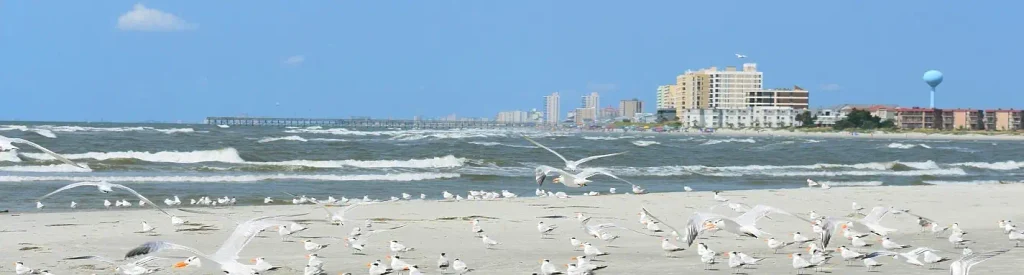
Something spectacular happens on the Carolina coast every October. The summer crowds vanish. Hotel rates tumble. And the sky fills with wings.
Fall migration along the Atlantic Flyway turns this coastline into one of the finest birding destinations in North America. Warblers, raptors, waterfowl, and shorebirds stream south in staggering numbers. They ride the Outer Banks like a highway, rest in the sounds and marshes, then settle into the Lowcountry for winter.
For birding, the Outer Banks in fall is not the off-season. It is the main event.
Affiliate Disclosure: This page contains affiliate links. If you book through them, we may earn a small commission at no extra cost to you.
Why October Is Prime Time
The Atlantic Flyway is one of four great migration corridors in North America. It funnels millions of birds down the East Coast each autumn. The Carolina coast sits directly in the flight path.
Southbound songbirds peak from late September through October. Raptors ride the thermals in big numbers mid-month. Waterfowl arrive in waves as temperatures drop farther north. Put simply, October stacks every category of bird into a single month.
Shoulder season brings practical perks too. Summer rates collapse after Labor Day. Restaurants that made you wait an hour in July now seat you immediately.
The weather cooperates beautifully. Highs typically reach the 70s on the northern coast and low 80s farther south. Mornings carry a crisp edge that burns off by ten. Hurricanes remain a possibility, so watch the forecast, but most Octobers are glorious.
Locals’ take: Download eBird before you go. The app shows real-time sightings at every hotspot below. Locals post rarities there within minutes, and chasing a reported painted bunting beats wandering blindly.
Pea Island National Wildlife Refuge: The Outer Banks Crown Jewel
If you bird only one place this fall, make it Pea Island. This refuge sprawls across the north end of Hatteras Island, and birders have recorded nearly 400 species here. That total ranks it among the top birding sites on the entire Atlantic coast.
Start at the visitor center on NC-12, about four miles south of Oregon Inlet. Then walk the trail around North Pond. The impoundments concentrate ducks, herons, egrets, and ibis at close range. Scan the mudflats for piping plovers and American oystercatchers working the shallows.
Fall brings the real drama. Peregrine falcons stoop on shorebird flocks over the ponds. Northern harriers glide low across the marsh. Massive flocks of tree swallows swirl at dusk like smoke.
What most visitors don’t know: the refuge runs free guided bird walks year-round except during festival weeks. Binoculars are available to borrow. Show up and let a volunteer do the spotting for you.
Pack bug spray. The mosquitoes at Pea Island in early fall are legendary, and they show zero mercy at dawn. Long sleeves beat short ones every time.

Huntington Beach State Park: South Carolina’s Birding Capital
Head south to Murrells Inlet and you’ll find the Lowcountry’s answer to Pea Island. Huntington Beach State Park protects 2,500 acres of beach, marsh, and maritime forest. Birders have logged more than 300 species here, earning it a reputation as one of the East Coast’s premier birding sites.
Drive straight to Causeway Drive. Park at the far lot and walk back along the road. Mullet Pond sits on one side, salt marsh on the other. At low tide, hundreds of birds feed in the shallows within easy viewing distance.
Fall migration adds the headliners. Roseate spoonbills, those improbable pink wading birds, show up in late summer and linger into fall. Wood storks glide overhead on broad wings. Painted buntings, arguably America’s most beautiful songbird, haunt the scrubby edges.
Between birding sessions, tour Atalaya Castle. The Moorish-style winter home of sculptor Anna Hyatt Huntington rises right inside the park. It gives your non-birding travel companions something to do while you chase warblers.
Locals’ take: Gates open at 6 a.m., and the first two hours deliver the best light and the most active birds.
Rachel Carson Reserve: Wild Horses Plus World-Class Birding
Near Beaufort, the Rachel Carson Reserve offers the coast’s best two-for-one deal. Wild Banker horses graze the marsh islands. Meanwhile, the surrounding waters and mudflats host outstanding fall birding.
Catch a passenger ferry from the Beaufort waterfront. The ride itself is a birding trip, with brown pelicans, terns, and skimmers working the channel. Ashore, walk the island trails through maritime forest and marsh edge.
Fall brings migrating songbirds through the island’s live oaks. Raptors cruise the marsh. In the tidal creeks, look for clapper rails slipping through the cordgrass and oystercatchers probing the oyster beds.
What most visitors don’t know: The horses descend from Spanish mustangs, and they share the islands with migrating birds in surprising harmony. Photographers get frame-filling shots of horses with egrets behind them. It looks staged. It isn’t.
Check ferry schedules in advance. Service runs seasonally, and fall hours shrink compared to summer. Book the first boat out for the calmest water and most active birds.
Wings Over Water: The Festival That Ties It All Together
Every October, the Outer Banks hosts Wings Over Water, one of the premier wildlife festivals in the country. This year’s edition runs October 13 through 18, right at the height of fall migration. The six-day festival packs in nearly 100 programs. Guided birding trips cover Pea Island, the Alligator River National Wildlife Refuge, and hidden hotspots in Dare County. Paddling tours, photography workshops, and natural history programs round out the schedule.
Programs range from beginner-friendly bird walks to dawn-to-dusk big days for hardcore listers. Many outings cap group sizes small, so instruction stays personal. Popular trips fill fast, so register online before you arrive.
Local’s take: Book one guided trip even if you usually bird solo. The leaders know where the rarities are hiding that week.
Planning Your Fall Birding Trip
Timing matters. Aim for mid-October to catch the overlap of songbird, raptor, and waterfowl migration. Early mornings outperform afternoons everywhere. Weekdays beat weekends for solitude at the popular refuges.
Pack smart. Binoculars are non-negotiable, and a spotting scope transforms distant waterfowl into identifiable birds. Bring layers, since dawn starts cool and afternoons warm up fast.
For lodging, shoulder season is your friend. Rates drop sharply after Labor Day along the whole coast. Compare options on Travelocity, where you can stack fall deals across the Outer Banks, the Crystal Coast, and the Grand Strand in one search.
Budget-minded birders should check the Red Roof Inn Myrtle Beach Hotel near Market Common. It sits two blocks from the beach, welcomes pets, and lies about a half hour north of Huntington Beach State Park. Fall rates there are a fraction of summer prices.
Dining improves in October too. The lines disappear, and many restaurants run shoulder-season specials. Ask your server what just migrated through. Coastal restaurant crews notice birds more than you’d expect.
Frequently Asked Questions
When is peak fall migration on the Carolina coast?
Mid-September through late October covers the bulk of it. Songbirds peak first, raptors surge in mid-October, and waterfowl build through November. If you can only pick one week, choose the second or third week of October.
Do I need to be an expert birder to enjoy these spots?
Not at all. Pea Island offers free guided walks with loaner binoculars, and the Wings Over Water festival runs beginner-friendly programs. The birds don’t check credentials.
What should I pack for a fall birding trip?
Binoculars, a field guide or birding app, layered clothing, comfortable walking shoes, sunscreen, insect repellent, and water. A spotting scope helps at the big impoundments. Fall mornings start cool, so a light jacket earns its place.
Can I bring my dog birding?
It depends on the location. Pea Island National Wildlife Refuge allows leashed dogs on some trails but not in all areas. Huntington Beach State Park permits dogs in campgrounds and on certain trails, though not on the beach during peak season. Always check current rules before you go, and keep dogs leashed near wildlife.
Where is the best base for a multi-day birding trip?
The Outer Banks works beautifully for a northern-coast trip, with Pea Island, Alligator River, and the festival all within reach. For the southern half, base around Murrells Inlet or Myrtle Beach for easy access to Huntington Beach State Park.
Is October weather reliable on the Carolina coast?
Mostly yes, with one caveat. Daytime highs usually sit in the 70s up north and low 80s down south. However, October falls within hurricane season, so monitor forecasts before your trip. Flexible lodging cancellation policies are worth the peace of mind.
The Carolina coast in October belongs to the birds, and for a few perfect weeks, it can belong to you too.
For more Carolina vacation area guides and Carolina coastal travel inspiration, dive deeper into explorecarolinabeaches.com and our Festival Guides.
Planning a Carolina beach trip? Use our Beach Finder Quiz to get a personalized recommendation, or compare any two beaches side by side with the Carolina Beach Comparison Tool.
📱 Download our free Carolina Beaches app — Get it here