
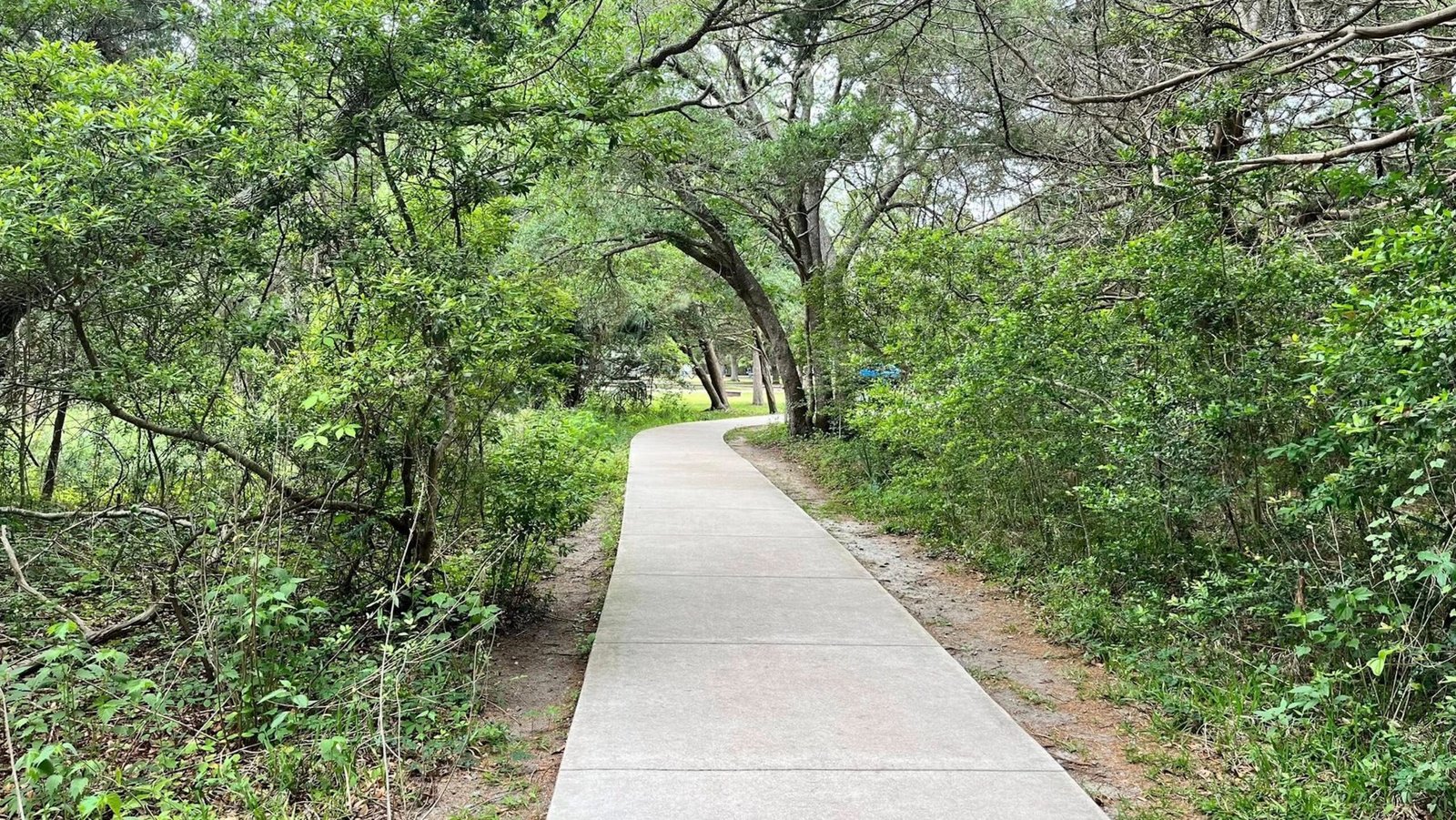
Here’s a scenario. You drive south on Highway 17, leaving the neon blur of Myrtle Beach behind. The mini-golf courses and souvenir shops thin out. Palm trees take over the roadside. Suddenly, a sign appears: Huntington Beach State Park. You pull in, park, walk through a live-oak canopy draped in Spanish moss, step over a boardwalk, and then the Atlantic opens up in front of you: wide, blue, quiet, and completely unlike anything you just left behind.
This. This is what you came to South Carolina for.
Huntington Beach State Park covers 2,500 acres along the Hammock Coast in Murrells Inlet, sitting beautifully between two of the most beloved destinations on the Grand Strand. Litchfield Beach borders it to the south, with its championship golf courses and quiet resort communities. Pawleys Island lies just beyond that, four miles of barrier island with the “Arrogantly Shabby” motto and some of the best restaurants on the coast. The park neighbors both of those gems and holds its own alongside them with zero effort.
USA Today once called Huntington Beach one of the top undiscovered beaches in the United States. The Audubon Society has flagged it as one of the best birding spots on the entire East Coast. And campers who stay here for a week describe it as the greatest sleeping-under-stars decision they ever made.
Let’s plan your trip.
The Beach: Three Miles of Pristine, Wild Atlantic Shore
Forget everything you know about crowded Grand Strand beaches. Huntington Beach State Park’s shoreline runs three miles of wide, gorgeous, barely-touched Atlantic coast. No umbrella vendors jostle for position. No DJ speakers thump from a resort pool nearby. Just wide sand, crashing waves, and the sound of shorebirds working the waterline.
The beach stretches in two directions from the main parking areas. The north end runs from the north parking lot beach access all the way to a jetty, an excellent fishing spot where anglers regularly pull in red drum, sea trout, and bluefish from the surf. The broader beach works perfectly for swimming, sunbathing, shell collecting, and long, slow walks.
Loggerhead sea turtles nest along protected sections of the beach each summer. Park staff and volunteers monitor nesting activity carefully, and if you’re lucky enough to visit during hatching season. Rangers can point you toward where to observe respectfully from a safe distance. Seeing a loggerhead nest site on a state park beach feels entirely different from spotting a turtle tank at an aquarium. It’s the real thing, wild and unhurried, and it tends to rewire your sense of what matters for the rest of the day.
The park’s freshwater lake sits inland from the beach and draws its own crowd, specifically, every alligator in the county. Rangers note that the lake offers nearly guaranteed alligator sightings. Occasionally, minks appear along the bank too. Arrive at sunrise for the best wildlife activity and the most dramatic light on the water.
Atalaya Castle: The Most Unexpected Thing on Any Beach Trip
Walk away from the water for thirty minutes and you’ll find one of the most striking historic landmarks on the entire South Carolina coast.
Atalaya Castle is a 30-room Moorish-style winter retreat built between 1931 and 1933. Archer Milton Huntington, a railroad heir, scholar, and founder of the Hispanic Society of America, designed it himself. His wife Anna Hyatt Huntington, one of the most celebrated sculptors of the 20th century, used it as her creative refuge and working studio each winter. A 40-foot tower with a controlled skylight anchored her dedicated sculpture studio in one wing. The castle centers on a large open courtyard, with rooms arranged around the perimeter in the Moorish tradition.
The National Park Service designated Atalaya a National Historic Landmark. Self-guided tours run most of the year, letting visitors wander through the courtyards, arched passageways, and rooms at their own pace. Interpretive signs throughout share the Huntingtons’ extraordinary story and explain the castle’s architecture in accessible, engaging detail. Guided tours are also available.
Each September, the park hosts the annual Atalaya Arts and Crafts Festival, drawing over 100 artists and their work for a three-day celebration of art in one of the most atmospheric settings imaginable. Check the park’s events calendar; this one books up fast for camping reservations. Find out here where you can sleep on the beach.
Directly across Highway 17 from the park entrance, the Huntingtons’ broader legacy continues at Brookgreen Gardens, the largest outdoor sculpture collection in the United States, set amid former Lowcountry rice plantation land. Buy a combined ticket and make a full day of it. Together, Atalaya and Brookgreen form a cultural experience that would feel at home in any major city, inexplicably located between a wildlife refuge and a beach.
Birdwatching: One of the East Coast’s Premier Hotspots
Serious birders know Huntington Beach State Park the way foodies know a three-Michelin-star restaurant: as a pilgrimage destination.
The park sits at the convergence of four distinct ecosystems, barrier island beach, salt marsh, freshwater lagoon, and maritime forest. That remarkable diversity of habitat concentrates an extraordinary range of species in a compact area. Over 300 bird species have been documented here. Roseate spoonbills, snowy plovers, and brown pelicans work the waterways. Wading birds stalk the marsh edges. Migrating songbirds flood the maritime forest canopy in spring and fall. The freshwater lake draws waterfowl through the winter months.
The Audubon Society and the American Birding Association both recognize the park as a premier hotspot. Bring binoculars regardless of your interest level, even casual visitors tend to find themselves standing very still, watching something pink and improbable wade through the shallows, wondering how they never came here sooner.
The park’s Nature Center, rebuilt in 2019 and reopened in September 2020 after a fire, opens daily from 10 a.m. to 5 p.m. It features exhibits on coastal ecology and wildlife, offers educational programming, and includes a small touch tank that children and adults both find irresistible.
Camping: Sleeping Next to One of the Best Beaches in America
Huntington Beach State Park’s campground runs all year, and it consistently earns some of the strongest reviews of any coastal campground on the East Coast.
The park offers more than 170 campsites total. The breakdown: 104 standard sites with water and electric hookups; 66 full-hookup sites with water, sewer, and electric; and 6 walk-in rustic tent sites with no electricity. All standard and full-hookup sites come with a parking spur, picnic table, fire ring, and grill. Hot-water showers, flush toilets, potable water, trash collection, and a dump station round out the facilities. Free Wi-Fi reaches the campground. Several sites accommodate RVs up to 40 feet.
Nightly rates typically run $25 to $50 depending on site type and season. Holiday weekends cost more. The off-season brings the best deals and surprisingly pleasant camping weather, the park genuinely shines in every season. Winter runs quiet and uncrowded. Fall brings the best birdwatching. Spring fills the trails with flowering plants and emerging wildlife. Summer delivers warm water swimming at a beach that somehow stays less crowded than you’d expect.
Reservations are strongly recommended for any weekend stay, particularly from March through September. Book at southcarolinaparks.com well in advance. The park also holds three picnic shelters available for group gatherings.
Day Tripping: How to Plan a Perfect Visit Without Camping
You don’t have to camp to have a spectacular day at Huntington Beach State Park. Day-trippers pay a per-person entrance fee and gain full access to the beach, Atalaya Castle tours, the Nature Center, hiking trails, and picnic areas.
Arrive early to secure a parking spot and beat the warmest part of the day for wildlife spotting. The park has begun offering parking reservations on select dates, so check the South Carolina State Parks website before you arrive. Nothing ruins a beach day like circling a full lot for forty minutes.
Bring your fishing rod. Surf fishing along the north beach and off the jetty regularly yields red drum, sea trout, bluefish, and more. Bring your kayak or paddleboard; the calm waters between the park and the inlet offer outstanding flatwater paddling through some of the most beautiful salt marsh scenery on the coast. The park sits about a mile from a public boat ramp at Oyster Landing for those arriving by water.
Trails run through the maritime forest and along the marsh edges, offering shade and wildlife views away from the beach crowds. Pack water, wear sunscreen, and give yourself more time than you think you’ll need. The park has a gift shop for essentials and souvenirs.
Location and the Bigger Pawleys Island-Litchfield Picture
Huntington Beach State Park sits at 16148 Ocean Hwy, Murrells Inlet, SC 29576, about 19 minutes south of Myrtle Beach and just north of Litchfield Beach. The Murrells Inlet Marshwalk, the “Seafood Capital of South Carolina” with its string of excellent waterfront restaurants, sits minutes away for dinner after a long beach day.
Just south of the park, Litchfield Beach and Pawleys Island form one of the Grand Strand’s most distinctive destination pairs: quiet, upscale, historically deep, and beautifully uncommercial. Pawleys Island’s famous rope hammock tradition dates to the late 1800s, and the island itself dates as a resort to the early 1700s. Staying in either Litchfield or Pawleys Island and spending a full day at Huntington Beach State Park makes an ideal trip combination.
From Charlotte, the drive to the park runs about three hours. Raleigh takes roughly three and a half hours. Myrtle Beach International Airport (MYR) sits about 19 miles north.
Huntington Beach State Park doesn’t shout for attention. It simply waits on the other side of that entrance sign, doing what it’s always done: being extraordinary. Come for the beach. Stay for the castle. Wake up before sunrise and find out exactly why the birders talk about this place the way they do.
Pack the binoculars. Bring a hammock. Make a reservation the moment you finish reading this sentence.
For more Carolina vacation area guides and Carolina coastal travel inspiration, keep exploring explorecarolinabeaches.com
FAQ
Is Huntington Beach State Park good for families with young children?
Yes. The park is one of South Carolina’s best family beach destinations, offering a wide sandy beach, nature trails, wildlife viewing, and a quieter atmosphere than nearby resort areas.
When is the best time to visit Huntington Beach State Park?
March through May and September through November offer comfortable temperatures, fewer crowds, and excellent opportunities for birdwatching, hiking, and beachcombing. Summer is popular for swimming and family beach trips.
Are dogs allowed on Huntington Beach State Park Beach?
Yes. Dogs are permitted on the beach and in many outdoor areas of the park, provided they remain on a leash and follow state park regulations.
Is parking free at Huntington Beach State Park?
No. Visitors pay a South Carolina State Park admission fee, which includes parking and access to the beach, trails, and park facilities.
How far is Huntington Beach State Park from Charlotte, Raleigh, Cleveland, and Nashville?
Charlotte: about 190 miles (3.5–4 hours)
Raleigh: about 200 miles (3.5–4 hours)
Cleveland, Ohio: about 700 miles (11–12 hours)
Nashville, Tennessee: about 600 miles (9–10 hours)
What is Huntington Beach State Park known for?
The park is famous for its pristine beach, salt marshes, birdwatching, sea turtle nesting habitat, and the historic Atalaya Castle, the former winter home of sculptor Anna Hyatt Huntington and philanthropist Archer Milton Huntington.
What are the best restaurants near Huntington Beach State Park?
Popular local favorites include Hot Fish Club for waterfront Lowcountry cuisine, The Claw House for seafood and oysters, Drunken Jack’s Restaurant & Lounge for inlet views, and Russell’s Seafood Grill for fresh local seafood.
Planning a Carolina beach trip? Use our Beach Finder Quiz to get a personalized recommendation, or compare any two beaches side by side with the Carolina Beach Comparison Tool.