
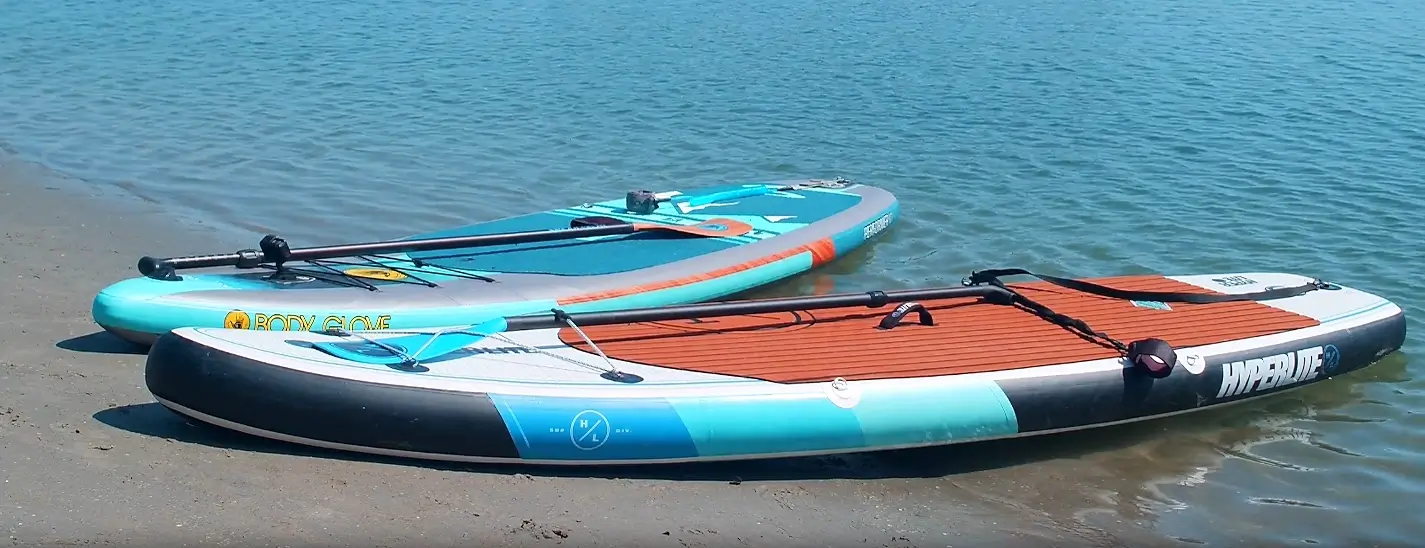
Forget the motorboat. Some of this coast’s best views only reveal themselves at paddle speed.
From the Outer Banks‘ sprawling sounds down to Charleston‘s marsh-lined creeks, this coastline was practically designed for kayaks, canoes, and paddleboards. Calm water, abundant wildlife, and a scene at every launch point make this one of the most paddle-friendly stretches on the East Coast. Here’s where to go, what to bring, and how to pick your vessel wisely.
Currituck Sound and the Outer Banks’ Northern Waters
Currituck Sound stretches for roughly 30 miles along the northern Outer Banks, and it’s shallow enough to feel forgiving even on a wobbly first paddle. Marsh islands dot the water, while the historic Currituck Beach Lighthouse peeks over the horizon in the distance.
Duck offers one of the easiest launch points in this stretch, right near the town’s waterfront shops. Paddle out, then dock beside a local restaurant for a sunset drink before heading back in.
Insider tip:
Kitty Hawk Woods Coastal Reserve connects directly to Currituck Sound through a maze of creeks and canals. Just remember the reserve closes to the public after sunset, so time your paddle accordingly.
Pamlico Sound and Cape Hatteras National Seashore
Pamlico Sound ranks as one of the largest paddling destinations on the entire Outer Banks, stretching 80 miles long and averaging just 5-6 feet deep well offshore. That shallow depth makes it remarkably forgiving for beginners.
Cape Hatteras National Seashore borders much of this sound, offering paddlers access to untouched beaches and tidal flats. Launch from Oregon Inlet or Buxton Woods for a genuinely wild stretch of coastline.
For glassy water with no crowds, paddle the blackwater creeks of nearby Croatan National Forest or launch from Oriental into the wide Neuse. Our Oriental guide has the full rundown on rentals, sunset cruises, and the village that calls itself the Sailing Capital of North Carolina.
What most visitors don’t know:
This sound hosts a surprising range of watersports beyond kayaking, including paddleboarding, kiteboarding, and windsurfing, all thriving in the same shallow, wind-friendly conditions.
Wilmington and Wrightsville Beach’s Sound-Side Waters
Wrightsville Beach‘s protected sound side offers calmer conditions than the open Atlantic, making it a favorite among paddleboard beginners throughout the Wilmington area. Meanwhile, the historic Cape Fear River downtown gives paddlers a completely different urban-meets-nature experience.
Wrightsville’s marshes also host a healthy population of herons, egrets, and the occasional dolphin, giving paddlers plenty of wildlife-spotting opportunities without venturing far from shore.
Local’s take:
Mornings offer the calmest conditions here, before afternoon sea breezes pick up and start chopping up the sound’s surface. Early risers get the smoothest paddle.
Shem Creek and Charleston’s Tidal Marshes
Shem Creek in Mount Pleasant might be the most iconic paddling destination in the entire Lowcountry. Its calm, protected waters make it exceptionally beginner-friendly, and its scenery genuinely rivals anywhere else on this coast.
Paddlers here regularly pass docked shrimp boats, historic rice mill remnants, and Crab Bank Island, a protected seabird sanctuary closed to foot traffic during nesting season each spring and summer. Great blue herons, egrets, and oystercatchers work the marsh’s pluff mud edges throughout the day.
What most visitors don’t realize: Atlantic bottlenose dolphins show up here regularly, often surprisingly close to kayaks and paddleboards near the creek’s mouth.
Insider tip:
After your paddle, Charleston tradition demands a stop at Red’s Icehouse right on the creek. Watching shrimp boats glide by while nursing a cold drink feels like the perfect Lowcountry reward.
Folly Beach and the Lowcountry’s Wilder Waterways
Folly River offers a completely different paddling personality than Shem Creek’s polished, restaurant-lined banks. Wildlife runs thick here, including turtles, stingrays, and even occasional manatee sightings during warmer months.
Folly’s free parking lot fills up fast during summer, so arrive early if you’re paddling on your own rather than joining a guided tour. Additional street parking exists nearby, but don’t expect much room by midday.
Local’s take:
Folly’s waterways feel noticeably wilder and less crowded than Charleston’s more popular creeks, making it a solid pick for paddlers craving a quieter, more remote-feeling experience.
Kayak, Canoe, or Paddleboard: Which Should You Choose?
With so many paddling options along this coast, picking the right vessel matters more than most visitors realize.
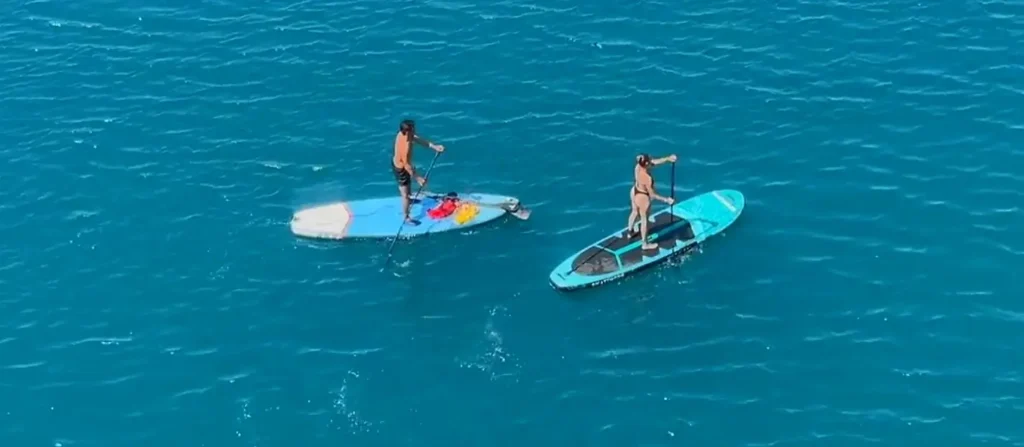
Is paddleboarding hard for beginners? Not particularly, though it does demand more balance than kayaking initially. Most beginners find their footing within the first twenty minutes, especially on calm water like Shem Creek or Wrightsville’s sound side.
Is a kayak or paddleboard easier? Kayaking generally wins for absolute beginners, since sitting lowers your center of gravity considerably. Paddleboarding requires standing balance, which takes slightly longer to master but rewards you with better wildlife visibility.
What’s safer, a paddleboard or a kayak? Both are safe on calm, protected water, though kayaks offer more stability in choppier conditions or wind. Paddleboards can feel less secure once wind or boat wakes disturb the surface.
Why choose paddleboarding over kayaking? Standing up gives you a genuinely better vantage point for spotting dolphins, rays, and birds moving through shallow water. Many paddlers also find SUP delivers a better core workout than sitting in a kayak all afternoon.
Understanding the 120 Rule Before You Paddle
Cold water catches too many paddlers off guard, especially during shoulder-season trips in early spring or late fall.
The 120 rule offers a simple gut-check: add the air temperature and water temperature together. If that combined number falls below 120, cold water immersion becomes a genuine safety risk, even on a sunny day.
Insider tip:
This matters more than people expect along this coast, since spring water temperatures can lag well behind pleasant air temperatures. Always check both numbers before assuming conditions are paddle-ready.
Watersports Keep Climbing in Popularity Here
Paddleboarding and kayaking have both seen substantial growth in popularity along the Carolina coast over the past decade, driven partly by affordable equipment and partly by social media’s love affair with sunrise SUP photos.
Outfitters up and down this coast report steady, sometimes surging demand each summer, particularly for guided sunset tours and wildlife-focused paddles. That popularity makes sense once you’ve actually tried gliding past a heron rookery at eye level, something no motorboat could ever offer.
FAQ: Paddling the Carolina Coast
Do I need prior experience to kayak or paddleboard here?
No. Most launch points along this coast, including Shem Creek and Wrightsville Beach’s sound side, welcome complete beginners.
What’s the best time of day to paddle?
Early morning typically offers the calmest water, before afternoon winds pick up across most sounds and creeks.
Are guided tours worth it for beginners?
Yes, especially for first-timers. Guides handle route planning, safety, and wildlife spotting, letting you focus purely on paddling.
Can I bring my dog kayaking or paddleboarding?
Many outfitters allow small dogs on rentals, though policies vary; always confirm directly beforehand.
What months offer the warmest water for paddling?
Late spring through early fall typically brings the warmest, most comfortable water temperatures along this coast.
From Currituck Sound’s quiet marshes to Folly River’s wild creeks, this coastline rewards anyone willing to grab a paddle and go slow.
For more Cape Fear Coast guides, beach recommendations, and coastal travel inspiration, keep exploring explorecarolinabeaches.com
Planning a Carolina beach trip? Use our Beach Finder Quiz to get a personalized recommendation, or compare any two beaches side by side with the Carolina Beach Comparison Tool.
📱 Download our free Carolina Beaches app — Get it here