
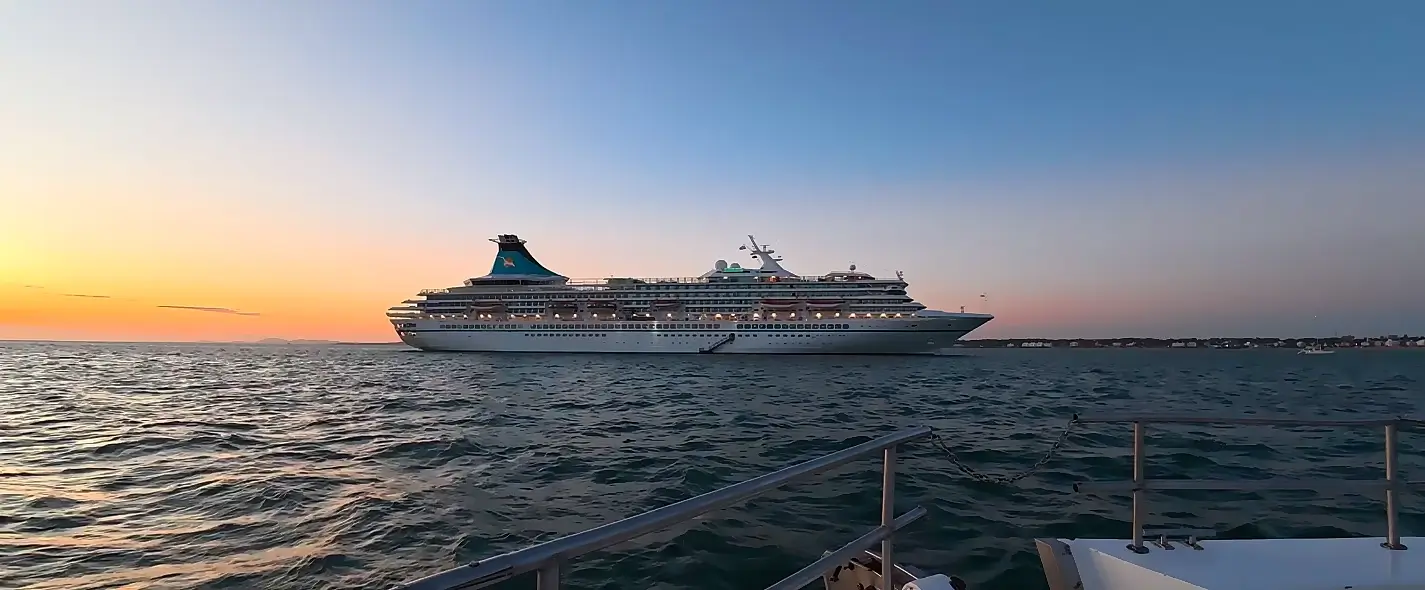
Charleston just closed a chapter. For over a decade, Carnival Sunshine turned Union Pier into a floating small city every few days. Passengers rolled suitcases past cobblestones and disappeared onto gangways. That scene doesn’t happen anymore, and as of this summer, it’s not happening at all, even for quick stops.
Let’s break down what actually happened, why it happened, and what comes next for the Holy City’s waterfront.
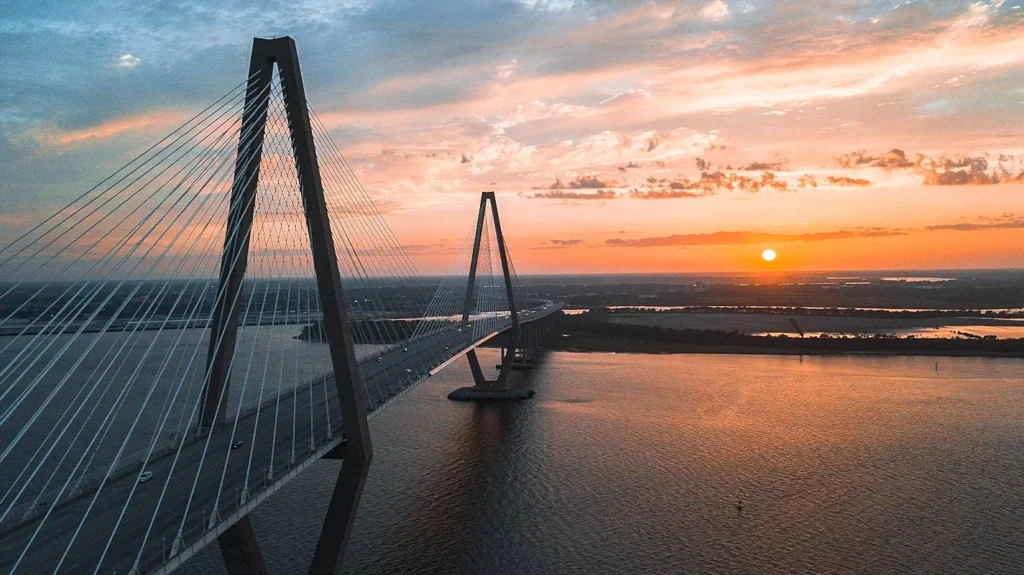
Why Did Charleston Stop Doing Cruises?
The short answer: real estate won. Union Pier sits on roughly 65 prime acres along the Cooper River, blocks from King Street. That land became far too valuable to keep as a parking lot for cruise passengers.
Carnival first homeported here in 2010. The Carnival Fantasy arrived to fanfare, and Charleston became a go-to drive-to embarkation port for the Southeast. But growth brought friction fast. In 2011, neighborhood groups sued, arguing the ships violated zoning rules and disrupted daily life downtown.
Traffic told the real story, though. Embarkation days dumped thousands of cars onto the peninsula’s already-tight streets. Add rising sea levels, chronic flooding, and a housing shortage, and city leaders started asking a hard question. Does a working cruise terminal still make sense here?
In 2022, the South Carolina Ports Authority answered that question. It chose not to renew Carnival’s contract past 2024. The Carnival Sunshine made its final round-trip voyage on December 30, 2024, returning to Charleston on January 4, 2025, after 14 years of continuous service.
Insider detail:
Union Pier’s terminal building was never even purpose-built for cruising. It started as a converted cargo warehouse, which explains a lot of the parking-lot chaos locals complained about for years.
Can You Still Cruise Out of Charleston?
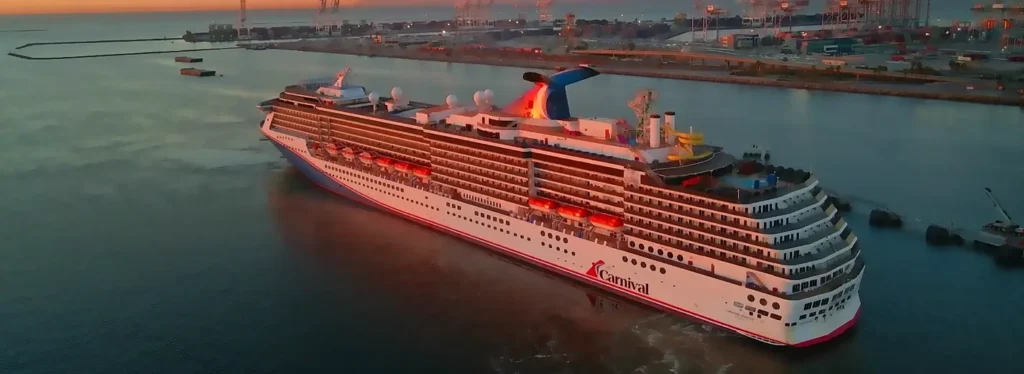
Not anymore, and this part surprises even longtime residents. For a while after Carnival left, Union Pier still welcomed brief port-of-call stops from lines like Royal Caribbean, Celebrity, and Virgin Voyages. Ships would dock for a few hours, let passengers explore, then sail on.
That, too, has wrapped up. The Norwegian Jewel became the very last cruise ship to call on Union Pier, docking on June 30, 2026, for an eight-hour visit before departing for good that evening. No large cruise ships remain scheduled at the terminal going forward.
What most visitors don’t know: American Cruise Lines, which operates much smaller coastal vessels under 200 passengers, kept homeporting in Charleston even after Carnival’s exit, running routes down to Amelia Island. Those trips fell outside the traffic and congestion debate entirely, since the ships are tiny by comparison. If you’re set on a Charleston-based cruise experience, that operator is worth a look.
Are Cruise Ships Coming Back to Charleston, SC?
Don’t hold your breath. Ben Navarro, the Charleston investor behind The Charleston Place and American Gardens park, agreed to buy Union Pier through his company Marti Holdings for $250 million. Eliminating cruise ship traffic was one of his earliest, most explicit promises to the community.
He’s kept it. The site’s future points toward mixed residential, retail, and public green space instead of a working port. A tax increment financing district, approved by City Council, will help fund roads, stormwater systems, and other infrastructure across the property. The sale is expected to close sometime in 2027.
Nothing in the current plans mentions restoring a cruise terminal. Given the direction of the project, it would take a major reversal to bring homeporting back to the peninsula.
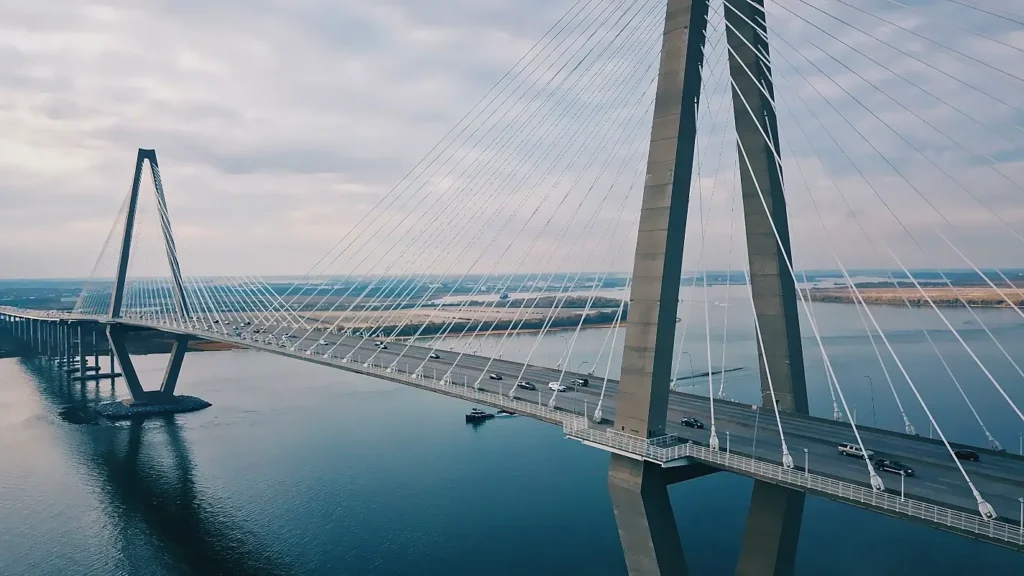
Why Are Ports Banning Cruise Ships?
Charleston isn’t alone here, and honestly, this trend has been building along coastlines everywhere. Historic cities with narrow streets and fragile infrastructure often can’t absorb thousands of extra bodies and cars in a single afternoon. Venice, Key West, and Bar Harbor have all wrestled with similar limits in recent years.
For Charleston specifically, three pressures collided at once. First, congestion: embarkation days flooded the peninsula with vehicles navigating streets designed for horse carriages, not tour buses. Second, environmental strain: rising seas and worsening flooding made large parking lots along the waterfront look increasingly reckless. Third, opportunity cost: waterfront land this valuable can generate far more long-term benefit as housing, parks, and local business space than as a seasonal loading dock.
Historic preservation groups also pushed hard against past redevelopment attempts that felt too dense or out of character. Their advocacy shaped the eventual outcome as much as any traffic study did.
What Will They Do With the Charleston Cruise Port?
Beemok, Navarro’s family office overseeing the project, has taken an unusually slow, research-heavy approach. Rather than dropping a master plan overnight, the team spent roughly two years studying transportation patterns, historic street grids, stormwater systems, and public space usage across the peninsula before finalizing anything.
The City of Charleston’s Comprehensive Plan, adopted by City Council in April 2025, already lays out the vision: a mixed-use waterfront district blending housing at various income levels, civic space, small local businesses, and continuous public access to the water. Maritime and recreational uses stay on the table, just at a scale that fits neighboring residential blocks rather than towering cruise infrastructure.
Charleston Mayor William Cogswell summed up the shift plainly, framing the end of cruise ships at Union Pier as a chance to build a waterfront that genuinely serves residents.
Union Pier isn’t the only downtown space being reimagined this year. A few blocks up, American Gardens has turned its Grand Lawn into a free, weekly open-air cinema every Thursday through October 29. See the full “Movie Night in the Park” schedule if you’re already exploring how downtown Charleston keeps evolving.
Local’s take:
Watch how this unfolds alongside American Gardens, Navarro’s urban park built on a former downtown parking lot near King and Meeting streets. It’s become a real neighborhood gathering spot, and it hints at the pedestrian-first, community-oriented direction Union Pier will likely follow.
The Bigger Picture: Quality of Life First
Moving forward, Charleston is prioritizing resident quality of life over tourist volume, and this shift proves it. Fewer massive ships means fewer clogged streets, less strain on aging infrastructure, and more waterfront acreage returned to the people who actually live here. It’s a deliberate trade: short-term visitor numbers for long-term livability.
That doesn’t mean Charleston is closing its doors to travelers. Far from it. It just means the city is being more intentional about how tourism fits into daily life on the peninsula.
Frequently Asked Questions
When did Charleston stop being a cruise homeport?
Carnival Sunshine’s final round-trip sailing departed December 30, 2024, and returned January 4, 2025, ending a 14-year partnership.
Is Union Pier Terminal still open for cruise ships at all?
No. The Norwegian Jewel’s stop on June 30, 2026, marked the terminal’s final cruise ship call of any kind.
Why did Carnival leave Charleston?
The South Carolina Ports Authority and Carnival mutually agreed not to renew their contract in 2022, largely to free up Union Pier’s waterfront acreage for redevelopment.
What’s replacing the Charleston cruise terminal?
A mixed-use waterfront district with housing, parks, retail, and public access, developed by Beemok under owner Ben Navarro’s Marti Holdings.
Can I still take a small ship cruise from Charleston?
Yes. American Cruise Lines continues homeporting smaller coastal vessels in Charleston, sailing routes toward Amelia Island, Florida.
Charleston traded gangways for green space, and the Carolina coast is better for it, big ships leave, but the Lowcountry‘s pull never does.
For more Cape Fear Coast guides, beach recommendations, and coastal travel inspiration, keep exploring explorecarolinabeaches.com
Planning a Carolina beach trip? Use our Beach Finder Quiz to get a personalized recommendation, or compare any two beaches side by side with the Carolina Beach Comparison Tool.
📱 Download our free Carolina Beaches app — Get it here