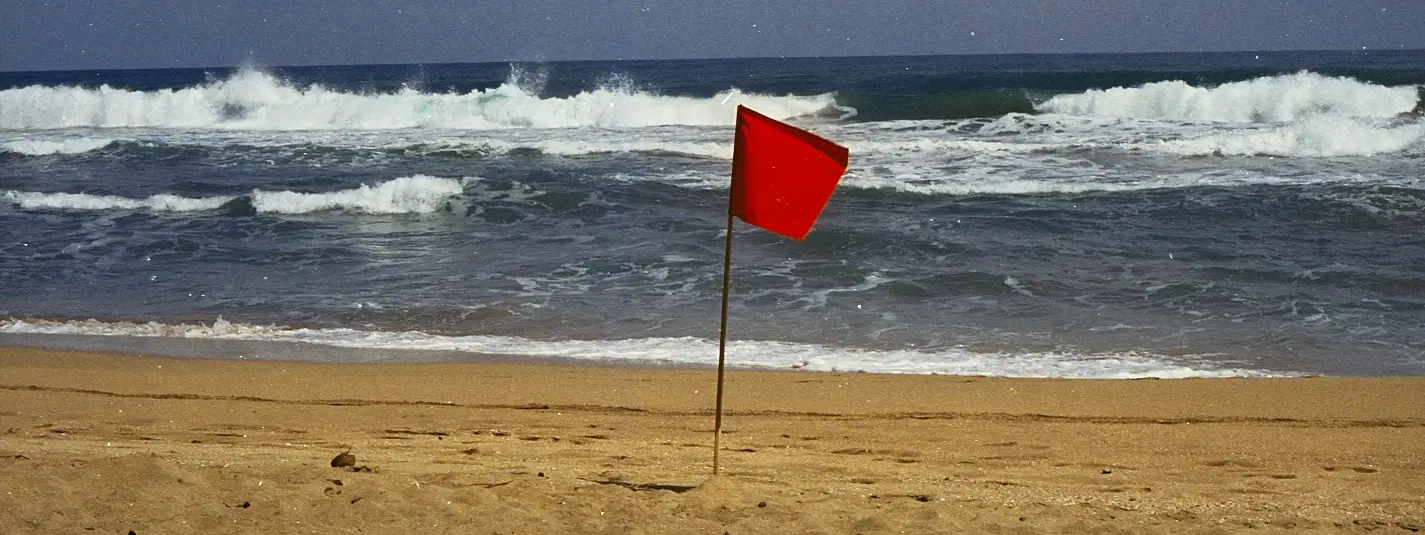
If you ask most people which beach in the Carolinas scares them the most, they will say the Outer Banks. Due to years of shipwrecks, Cape Hatteras received the moniker “Graveyard of the Atlantic,” which continues to influence how tourists perceive risk along this coast. The actual figures reveal a different picture. According to a 2025 analysis of NOAA and National Weather Service data from 2016 to 2025, Myrtle Beach is one of the worst beaches in the nation. That one stretch of sand had thirteen surf-zone fatalities, seven of which were directly caused by rip currents.
Out of 895 surf-zone deaths reported countrywide during that decade, Horry County as a whole tied for seventh place, with 19 deaths scattered among three of its beaches. A previous study by the travel data website Travel Lens found similar results, ranking Oak Island, North Carolina, seventh and Myrtle Beach fifth nationally. Neither a peaceful stretch like Oak Island nor the soft, family-friendly Grand Strand is the safe alternative most tourists believe it is.
Why the Calm-Looking Beach Is the Dangerous One
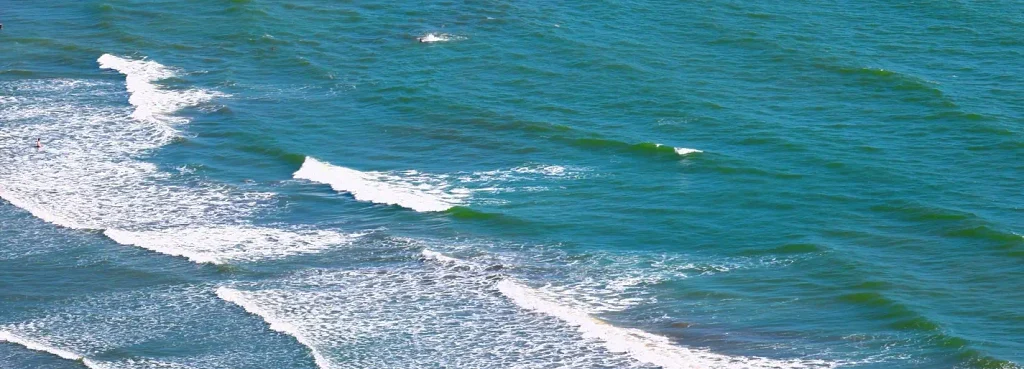
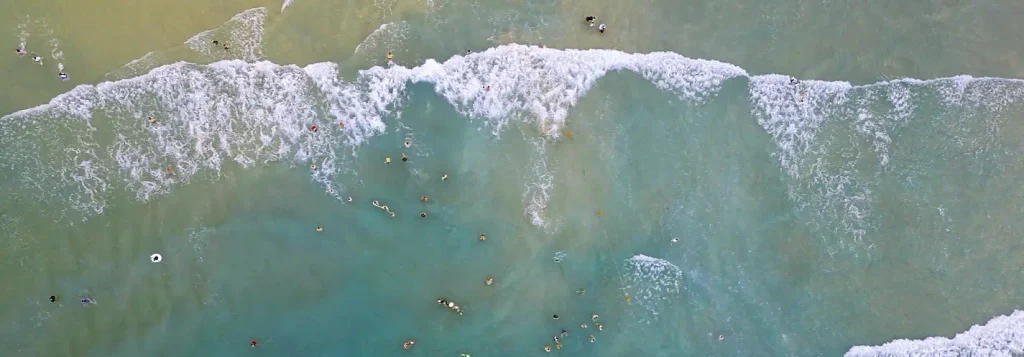
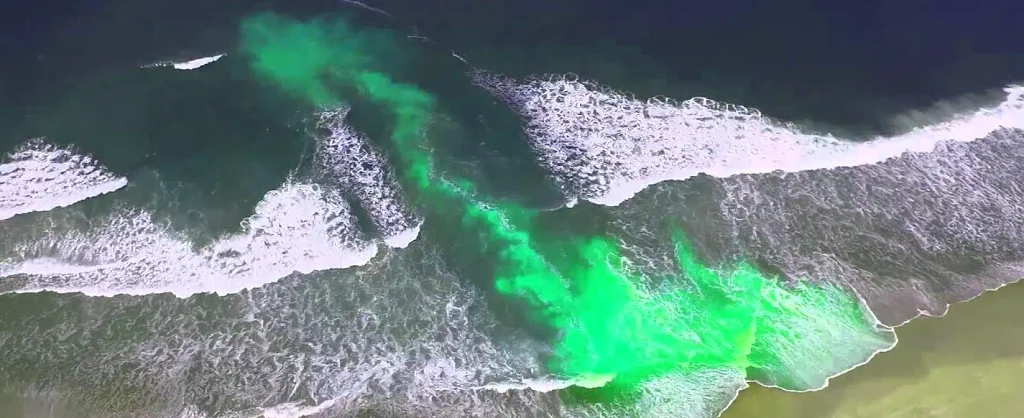
When waves drive water back out via sandbar gaps, a narrow channel known as a rip current is created, which quickly draws swimmers offshore. People are often intuitively alerted to steep, rough-looking waves but seldom to welcoming water. Even when the surface appears quiet enough for children, Myrtle Beach’s vast, gently sloping sandbars are precisely the kind of structure that creates rip currents.
This discrepancy between risk and appearance explains a lot. When visitors wade into water that doesn’t look like the hazardous ocean depicted in movies, they are yanked out before they can react. With ten drownings reported in July alone since 2010, more than any other month of the year, July stands out as the deadliest month for the Myrtle Beach region.
Locals’ take:
Longtime Grand Strand lifeguards say the worst days aren’t the visibly stormy ones. Visitors take those seriously. It’s the sunny, flat-looking afternoons that catch people off guard, because nothing about the surface hints at what’s happening underneath.
The Outer Banks’ Reputation vs. Its Reality
Tragic events have undoubtedly occurred along Cape Hatteras National Seashore. Its terrifying reputation was cemented when the National Park Service reported eight water-related deaths there in 2016, seven in 2017, and five in 2018. The National Weather Service’s list of fatalities in previous years also includes Kure Beach, which is located further south along the same coast.
Despite this, juxtaposing those figures with Myrtle Beach’s numbers over a decade, or Oak Island’s position in the national top ten, adds complexity to the straightforward narrative. Across North Carolina, there were 75 surf-zone fatalities from 2014 to 2024, averaging about seven annually, based on NOAA data. The Outer Banks gained its reputation from a long history of maritime disasters and storms, rather than leading every other beach in North Carolina in current swimmer fatalities. Each year, rip currents claim lives along both coastlines. The legendary status has simply impacted one more significantly than the other.
What most visitors don’t know:
The strongest currents on Hatteras Island are found around inlets and pier structures, which locals are well aware to steer clear of. Visitors aiming for a striking photo near Cape Point frequently step directly into the most dangerous waters on the island.
Hilton Head’s Quiet Toll
Hilton Head is not perceived as a dangerous place, which is exactly the issue. Coligny Beach, one of the island’s most frequented public access areas, has reported several drownings in recent years, including an incident involving a 69-year-old man who was retrieved from the water unresponsive. Singleton Beach and the South Sea Pines region have also experienced deadly rip current events, some of which included fathers swimming with their children when the conditions changed unexpectedly.
Almost all of the recent drownings in Hilton Head involved visitors from out of state rather than local residents. This trend is not exclusive to Hilton Head. A review conducted in 2024 of 184 rip current drowning incidents across North and South Carolina since the year 2000 found that 49% of the victims were from out of state. Residents are accustomed to these currents, while visitors, understandably, are not.
Locals’ take:
Hilton Head beach patrol staff report that most rescues occur around midday, coinciding with the time incoming tourists often enter the water for the first time after checking in. They emphasize that familiarity with a specific beach, not just swimming ability, significantly reduces the risk of needing rescue.
Who Actually Dies, and Why It Matters
The demographic patterns of rip current drownings across North and South Carolina are strikingly consistent. Since 2000, the National Weather Service’s Carolinas offices have recorded 196 rip current fatalities along the coast, averaging eight deaths annually. This makes rip currents a deadlier hazard in the Carolinas than tornadoes, floods, and high winds combined.
A 2024 review of 184 of these cases revealed further details. Men accounted for 86% of victims, most frequently between 41 and 50 years old. Women who drowned in rip currents tended to be younger, typically between 31 and 40. These age groups suggest that victims are not inexperienced swimmers; they are adults, often parents, and often confident in familiar waters. However, this confidence does not automatically transfer to an unfamiliar beach with unfamiliar currents, and it is this disconnect that often leads to tragedy.
If you are visiting the coast, regardless of your accommodation choice, inquire at check-in about nearby beach access points with the highest rip current risk. Front desk staff are often knowledgeable, even if the information isn’t provided in your room.
What This Means for Your Next Trip
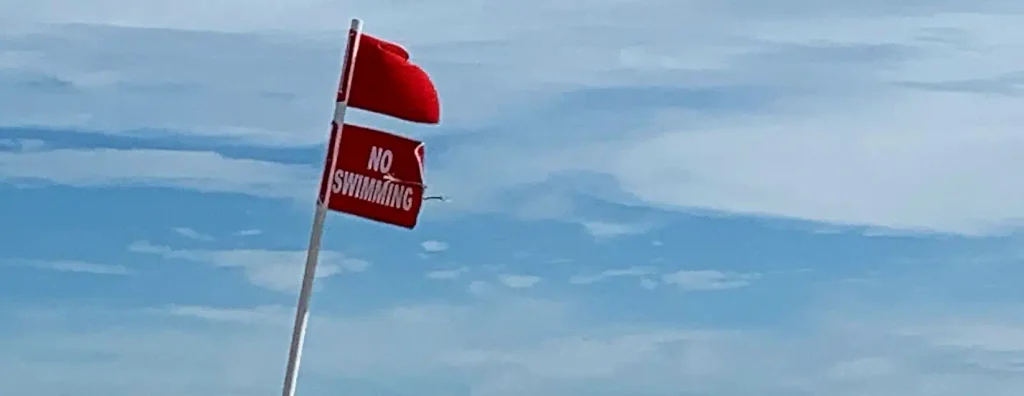
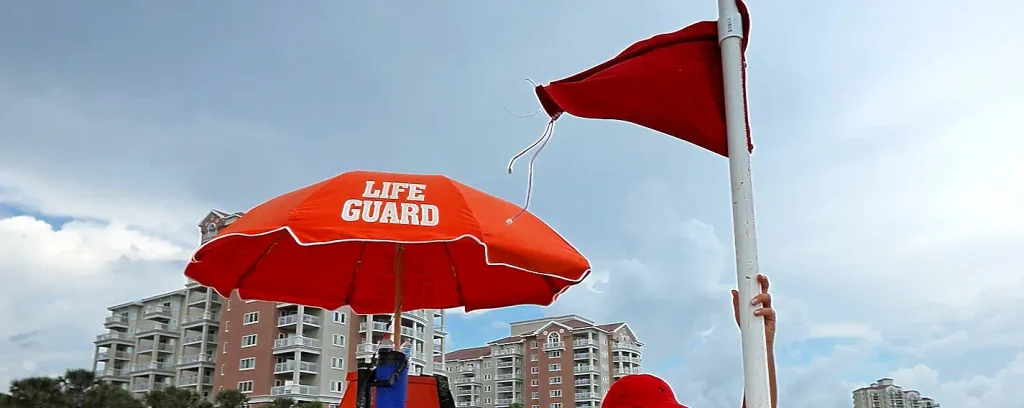
None of this should deter anyone from visiting the Carolina coast; rather, it should prompt a reevaluation of risk before entering the water. Flag colors are more indicative than water appearance. A flat, glassy surface at Myrtle Beach can conceal currents as dangerous as any churning off Hatteras Island. Checking the daily rip current forecast takes thirty seconds and is more crucial than almost any other pre-beach ritual, including applying sunscreen.
Always swim near a lifeguard stand when one is available. Inquire locally about which stretches of beach have a reputation for danger, as residents often know precisely which sandbars and inlets to avoid. This local knowledge, though rarely found in vacation brochures, can often be the difference between a memorable story and a tragic one.
Accuracy Note
Rip current fatalities are tracked using data self-reported by National Weather Service (NWS) offices. Officials acknowledge that undercounting is common due to inconsistent classification of drowning incidents.
The NWS recorded 196 rip current deaths through 2025. Demographic data, however, is based on a slightly earlier dataset published in 2024, accounting for 184 victims. While both figures are official NWS counts, they do not cover identical timeframes.
Beach-specific totals, such as 13 deaths for Myrtle Beach and 19 for Horry County, are derived from a separate 2025 analysis covering the period from 2016 to 2025. These individual beach totals can fluctuate annually, with a single severe storm season capable of significantly altering rankings.
Always check current conditions and local advisories before entering the water anywhere on this coast.
The Carolina Coast Is Still Worth the Trip
None of this diminishes what makes the Carolina coast worth visiting; it simply means the danger doesn’t always appear as expected. The rough, wild-looking water isn’t always the most perilous; sometimes, it’s the flat, inviting stretch that demands the greatest respect. Know the flags, respect the forecast, and this coastline will remain one of the most rewarding in the country, exactly as it should be.
Frequently Asked Questions
What time of year and time of day are rip currents most dangerous?
July is specifically the deadliest month for the Myrtle Beach area, with ten drownings recorded during that month since 2010. While currents can form at any time, many rescues occur around midday when swimmers typically enter the water.
Is the Outer Banks more dangerous than Myrtle Beach?
Not necessarily, despite its formidable reputation. While Cape Hatteras recorded between five and eight fatalities in individual recent years, Myrtle Beach’s decade-long total and national ranking position it among the more dangerous beaches on this coast.
Are locals or tourists more likely to drown in rip currents here?
Tourists, by a significant margin. A 2024 review found that 49% of rip current victims across North and South Carolina since 2000 were from out of state.
How can I identify a rip current before swimming?
Look for a channel of choppy, discolored, or foamy water moving away from the shore, often appearing between calmer-looking waves. When in doubt, consult a lifeguard or check the daily National Weather Service rip current forecast before entering the water.
Which Carolina beach has recorded the most rip current deaths?
A 2025 analysis of national data identified Myrtle Beach as one of the deadliest in the country, with thirteen surf-zone deaths between 2016 and 2025, seven of which were directly attributed to rip currents. Horry County, encompassing Myrtle Beach, ranked seventh nationally.
For more Carolina vacation area guides and Carolina coastal travel inspiration, keep exploring explorecarolinabeaches.com
Planning a Carolina beach trip? Use our Beach Finder Quiz to get a personalized recommendation, or compare any two beaches side by side with the Carolina Beach Comparison Tool.