
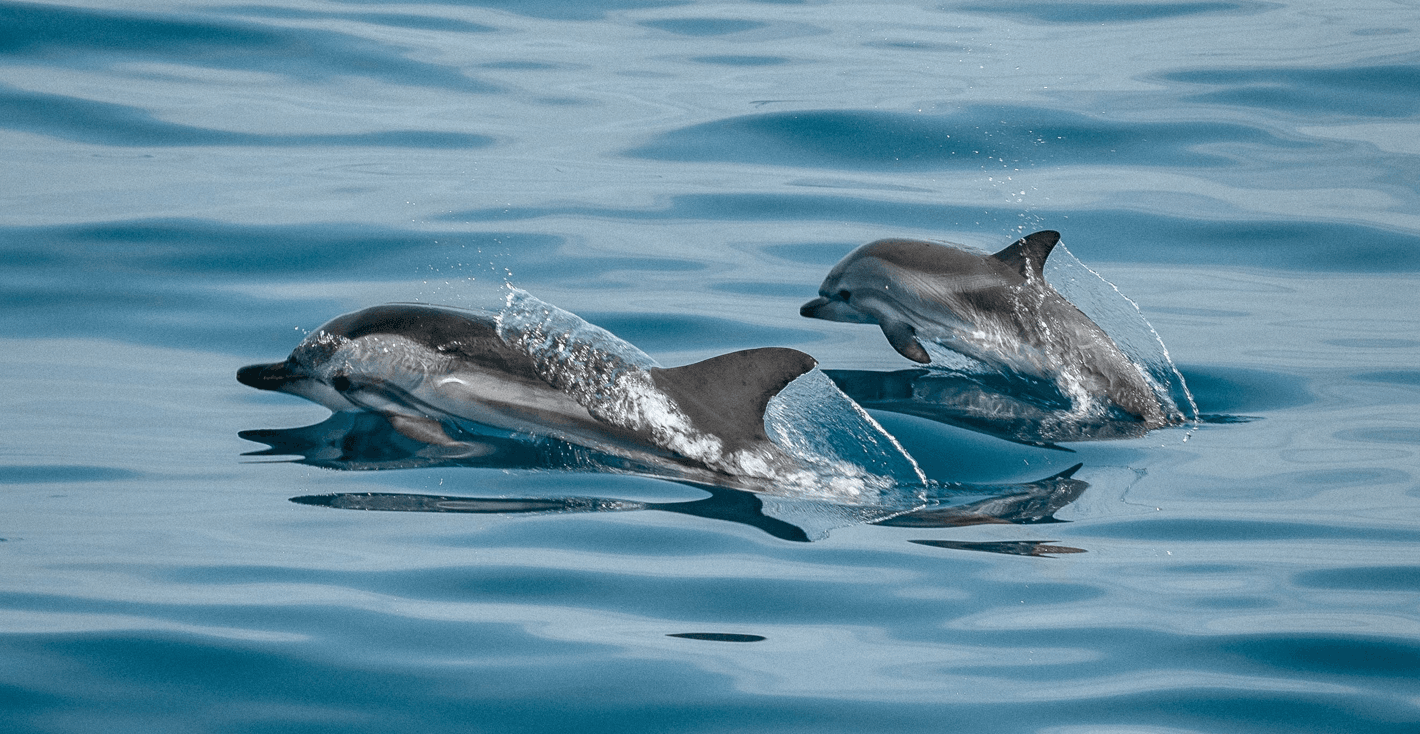
Bottlenose dolphins live in Carolina waters every single day of the year. Knowing where to look, and what they’re actually doing when you find them turns a lucky glimpse into something unforgettable.
Somewhere off the Carolina coast right now, a dolphin is surfacing for air. That’s not a guess, it’s basically a guarantee. Bottlenose dolphins live in these waters twelve months a year, from the sound-side shallows of the Outer Banks down through the tidal creeks of the Lowcountry. Most visitors catch a fin or two and call it a win. The ones who know where to look see something far better.
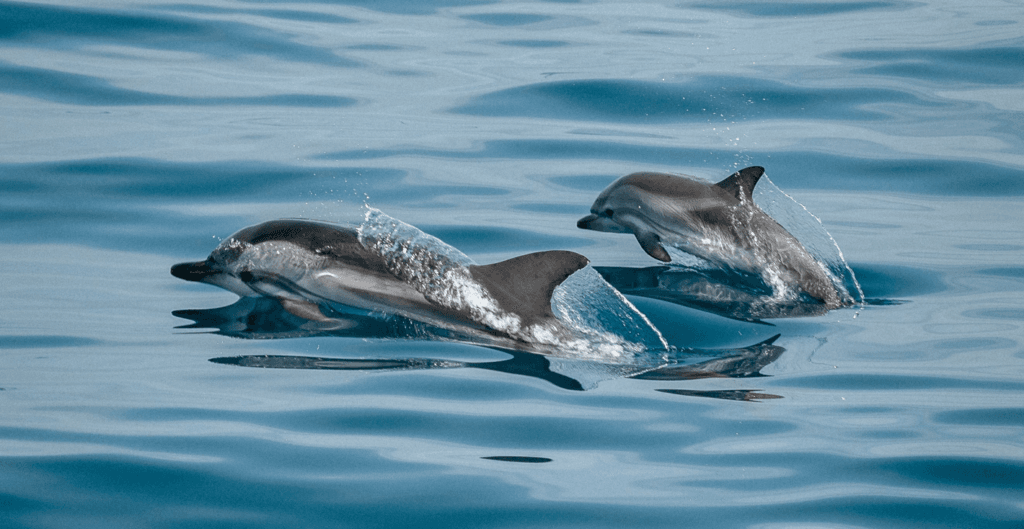
Here’s the thing nobody tells first-time visitors: dolphin watching on the Carolina coast isn’t a coin flip. It’s a skill. Tides, time of day, and location all matter enormously, and the difference between “maybe we’ll get lucky” and “we watched dolphins for twenty minutes” usually comes down to knowing a handful of specifics. Consider this your cheat sheet.
Where to See Dolphins on the North Carolina Coast
The Outer Banks claims some of the most reliable dolphin sightings on the entire Eastern Seaboard. Roanoke Sound, between Nags Head and Roanoke Island, hosts a resident population that locals have nicknamed the “Retirees of the Sea.” These dolphins summer in OBX waters and migrate south each winter, returning like clockwork the following spring. Researchers with the Outer Banks Center for Dolphin Research have tracked the same individuals for years, which means the pod swimming past your kayak might be the very same one a local spotted last August.
Beyond the lighthouses and dunes, the Outer Banks holds one more summer signature: dolphins. Bottlenose pods patrol these waters from May through October, often close enough to spot from the beach. Curious where the odds run highest? Check out our guide to the top 5 dolphin watching beaches on the Carolina coast for the full rundown.
Sightings happen from shore, but boats dramatically improve your odds. Several operators run dolphin-watching tours out of Manteo and Nags Head, cruising the calm waters of Roanoke Sound where dolphins regularly surface within feet of the boat. Summer sightings run so reliably that some operators offer a guarantee: see no dolphins, get a free reschedule.
Roanoke Sound: Nags Head & Manteo on the OBX
The most consistent dolphin-watching water in North Carolina. Calm, shallow sound-side conditions make spotting easy even from a small boat. Tours depart from both the Nags Head waterfront and the Manteo waterfront near Shallowbag Bay, generally running from mid-spring through October. Early morning and golden-hour evening trips tend to deliver the calmest water and the closest encounters.
Best access: Boat tour from Manteo or Nags Head
Season: April–October
Further south, Wrightsville Beach offers some of the best land-and-water hybrid dolphin watching in the state. Masonboro Island, just south of Wrightsville, sits surrounded by marshy inlets that dolphins patrol regularly. Several local outfitters run sound-side eco-tours specifically built around dolphin sightings, and the area’s protected backwaters mean calmer conditions than open-ocean watching.
Local’s Take:
What most visitors don’t realize: you don’t need a boat at all to see dolphins on much of the NC coast. Piers extend the watching radius significantly. Jennette’s Pier in Nags Head and the Wrightsville Beach pier both put you well past the breaking surf, and early morning is consistently the best window, before boat traffic picks up and while bait fish are still schooling close to shore.
Where to See Dolphins Near Charleston, SC
Charleston isn’t just a great dolphin-watching destination. It’s home to one of the rarest dolphin behaviors on Earth, and almost nobody outside South Carolina knows it exists.
The Main Event: Strand Feeding
Strand feeding is a cooperative hunting technique found in only a few places worldwide: South Carolina, Georgia, and a sliver of northern Florida among them. Pods of dolphins corral schools of mullet against a mudbank, then charge the shoreline together, creating a wave that pushes the fish directly onto land. The dolphins follow, momentarily beaching themselves to grab a meal before sliding back into the water.
Of the roughly 350 resident bottlenose dolphins around Charleston, only a small handful actually know how to strand feed. It’s a learned behavior, passed from mother to calf rather than instinctive, which means not every dolphin you see near Charleston can do it, but the ones that can do it constantly.
“I almost forgot to breathe as the ten-foot cetaceans hurled themselves ashore.” — Sierra Club, on witnessing strand feeding firsthand
Captain Sam’s Spit / Kiawah River: Kiawah Island (Best strand feeding viewing)
Considered one of the most accessible places on the planet to witness strand feeding. Park at Beachwalker Park, the only public beach access on Kiawah Island, then walk roughly one mile southwest along the shore to where the Kiawah River meets the Atlantic. Researchers have identified six or seven dolphins that strand feed consistently in this exact stretch of river, usually working in small groups of three to five. The four-hour window around low tide offers the best visibility, since the river channel runs shallow and narrow, pushing mullet into clear view.
Access: Beachwalker Park, Kiawah Island
Best timing: Low tide (year-round, slows in winter)
Neighboring Seabrook Island also sees regular strand feeding activity, particularly around Captain Sam’s Inlet. Some of the local dolphins there have been studied for decades by the Lowcountry Marine Mammal Network, which has named individual animals, Step, Koko, and Kai among them, based on years of photo identification work. Female bottlenose dolphins can live into their 50s or 60s, so the dolphin feeding on the mudbank today might be the same one a Seabrook local watched grow up.
Insider tip:
Strand feeding happens year-round around Charleston but slows considerably in winter, when mullet move offshore. If you’re planning a trip specifically to see it, target summer and early fall, and check tide charts before you go. Arriving at the wrong tide stage is the single most common reason visitors miss the behavior entirely.
Beyond strand feeding, Charleston’s broader dolphin population spends the bulk of its time in five major rivers: the Cooper, Ashley, Stono, Wando, and Edisto, and their smaller tributaries. A boat tour through Charleston Harbor or the Shem Creek area near Mount Pleasant will almost certainly produce a sighting, strand feeding or not.
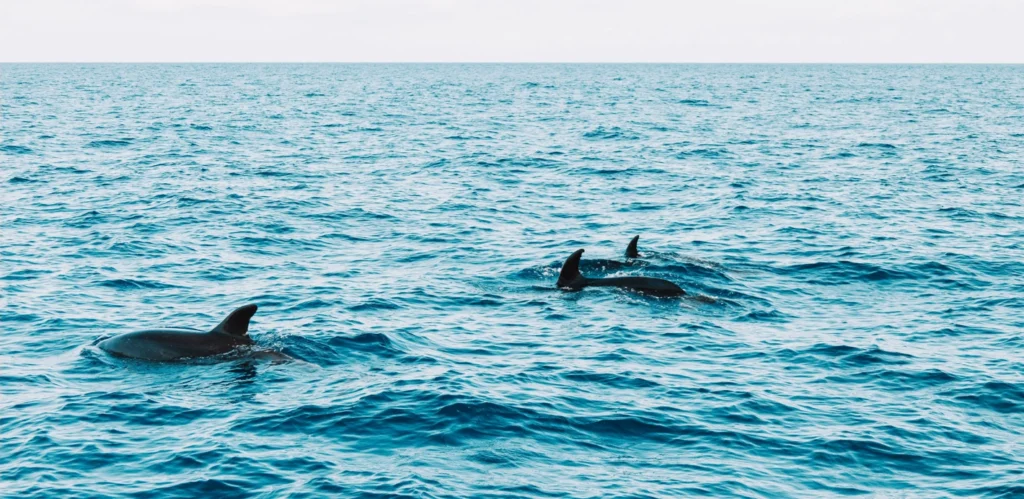
What’s the Best Time of Day and Season to See Dolphins?
| Time / Season | Why It Works |
|---|---|
| Early morning | Calmer water, less boat traffic, and bait fish schooling close to shore. The single best window on most of the coast. |
| Golden hour / dusk | Dolphins often surface closer to shore as light fades and feeding activity picks back up. Bonus: better photos. |
| Summer (June–August) | Peak season throughout the Carolinas. OBX sightings become near-guaranteed; Charleston strand feeding runs at its most active. |
| Fall (Sept–Oct) | Excellent on both ends of the coast. Crowds thin, weather cools, and dolphin activity remains strong before winter slowdown. |
| Winter (Dec–Feb) | OBX sightings drop as the “Retiree” pod migrates south. Charleston’s resident dolphins stay put, but strand feeding slows as mullet move offshore. |
Tide matters just as much as season, particularly in the Lowcountry. Strand feeding clusters tightly around the four hours surrounding low tide, when mudbanks sit exposed, and mullet have nowhere to hide. On the OBX side of things, the tide matters less than calm water. A still, glassy sound makes every fin and splash easier to spot from a distance.
How to Watch Responsibly
Bottlenose dolphins are federally protected under the Marine Mammal Protection Act, and Carolina dolphin populations face real threats; boat strikes, crab pot entanglements, and marine debris among them. Watching well means watching responsibly.
Do
- Keep a respectful distance and let dolphins approach on their own terms
- Book tours with operators connected to research organizations
- Use binoculars to view from farther away without disturbing them
- Stay quiet and still if dolphins are strand feeding nearby
Don’t
- Approach, chase, or attempt to touch wild dolphins
- Feed dolphins under any circumstances, it’s illegal and harmful
- Get between a dolphin and the shore during strand feeding
- Assume a beached dolphin is in distress, strand feeding is normal behavior
Local’s Take:
First-time witnesses to strand feeding often panic, assuming the dolphin is stranded and in danger. It isn’t. This is intentional, practiced behavior. Give the animal space, stay quiet, and watch it slide effortlessly back into the water once it’s grabbed its meal.
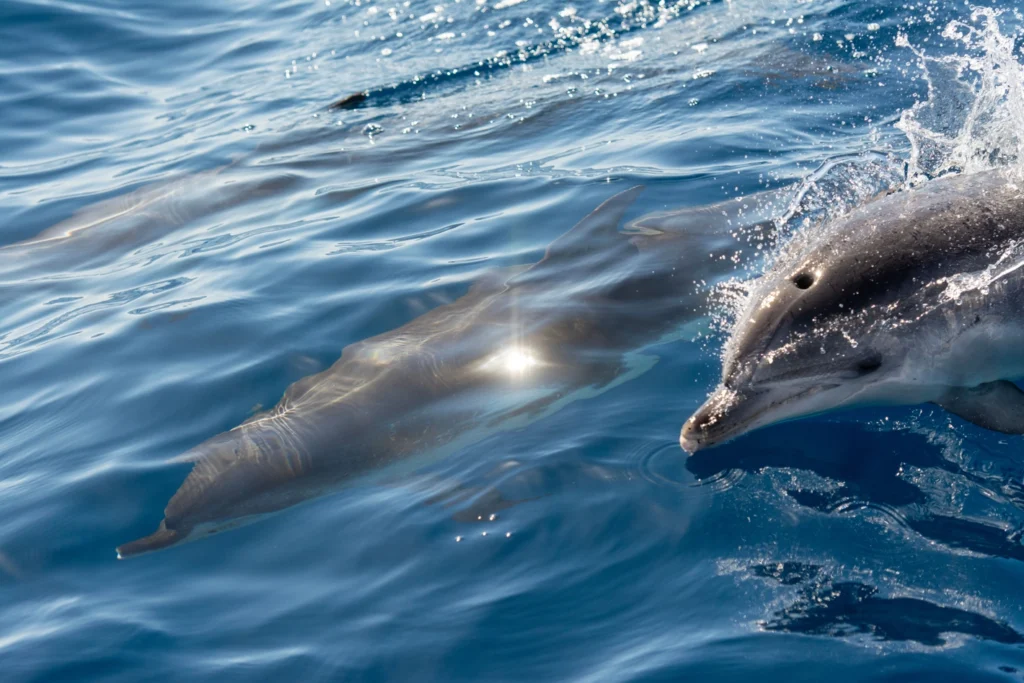
Frequently Asked Questions: Dolphin Watching on the Carolina Coast
Where is the best place to see dolphins on the Carolina coast?
For guaranteed, accessible sightings, Roanoke Sound near Nags Head and Manteo on the Outer Banks is extremely reliable, especially via boat tour. For something genuinely rare, Kiawah Island near Charleston offers some of the best strand-feeding viewing on the planet, a cooperative hunting behavior found in only a handful of places worldwide.
What is dolphin strand feeding?
Strand feeding is a cooperative hunting technique where dolphins herd schools of fish, usually mullet, toward a mudbank and create a wave that pushes the fish onto land. The dolphins briefly beach themselves to grab the stranded fish, then slide back into the water. It’s a learned behavior passed from mother to calf and occurs almost nowhere else in the world outside South Carolina, Georgia, and parts of northern Florida.
What time of year is best to see dolphins in the Carolinas?
Summer offers the most reliable sightings throughout the entire coast, with both OBX dolphin populations and Charleston-area strand feeding at peak activity. Fall is an excellent alternative, with thinner crowds and strong dolphin activity through October. Charleston’s resident dolphins stay year-round, though strand feeding slows in winter when mullet move offshore.
Can you see dolphins without taking a boat tour?
Yes, on much of the coast. Piers like Jennette’s Pier in Nags Head and the Wrightsville Beach pier put you well beyond the surf line, and early morning is the best window for shore-based sightings. Strand feeding around Kiawah Island is also visible entirely from shore via a roughly one-mile beach walk from Beachwalker Park.
Are the dolphins near Charleston the same dolphins all year?
Largely, yes. Charleston’s resident population of roughly 350 bottlenose dolphins lives in brackish estuarine waters year-round, spending most of their time within the Cooper, Ashley, Stono, Wando, and Edisto Rivers. Researchers with the Lowcountry Marine Mammal Network have tracked individual dolphins for years through photo identification, and many spend their entire lives in the same home range.
Is it safe to watch dolphin strand feeding up close?
It’s safe to observe from a respectful distance, but visitors should never approach or interfere. The dolphins are wild animals engaged in a precise, practiced hunting technique, and getting too close can disrupt the behavior or put both visitor and animal at risk. Stay still, stay quiet, and let it happen at a distance.
What’s the best time of day to spot dolphins?
Early morning and golden-hour evenings consistently produce the best sightings across the entire Carolina coast. Water tends to be calmer, boat traffic is lighter, and bait fish often school closer to shore during these windows, which in turn draws dolphins in to feed.
Whether it’s a sound-side pod cruising past Roanoke Island or a Lowcountry dolphin launching itself onto a Kiawah mudbank mid-hunt, the Carolina coast doesn’t just host dolphins, it puts on a show few places on Earth can match.
For detailed guides on coastal wildlife, keep exploring explorecarolinabeaches.com
Planning a Carolina beach trip? Use our Beach Finder Quiz to get a personalized recommendation, or compare any two beaches side by side with the Carolina Beach Comparison Tool.
📱 Download our free Carolina Beaches app — Get it here