
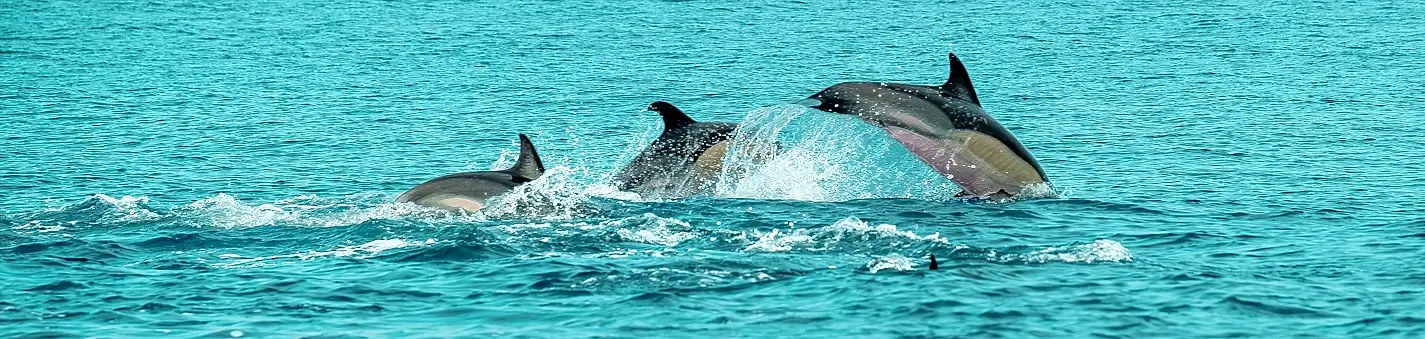
Dolphins don’t read brochures. They don’t care about your itinerary, your sunscreen, or your Instagram grid. Yet somehow, along the Carolina coast, they show up anyway, flipping through the surf like they own the place. Honestly? They kind of do.
We’ve spent years chasing fins from Corolla down to Hilton Head, and a few truths hold steady everywhere. Dolphins favor certain tides, certain inlets, and certain stretches of sand more than others. Below, we break down the five best beaches for spotting them, plus answers to the questions every visitor eventually asks a local.
What Month Is Best for Dolphin Watching?
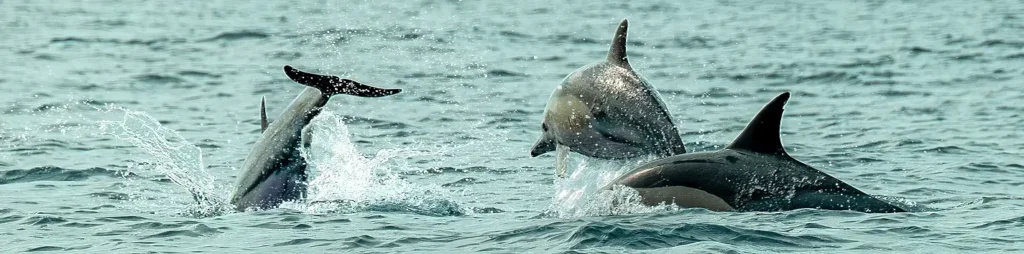
Late spring through early fall gives you the strongest odds, roughly May through October. Warmer water pulls migratory pods north into Carolina waters, and baitfish activity picks up dramatically. Summer mornings, right around sunrise, tend to produce the calmest seas and the clearest sightings.
That said, the Lowcountry breaks this rule in the best possible way. South Carolina’s coastal waters stay mild enough that resident pods never leave. Around Hilton Head Island, roughly 170 dolphins call the local creeks and sounds home year-round, according to marine researchers who track the population. Further north, Outer Banks locals often call their summer dolphins the “retirees of the sea,” since many of the same individuals return every year like clockwork.
Which Beach Has the Most Dolphins?
1. Hilton Head Island, South Carolina
Nowhere on this list beats Hilton Head for sheer volume. Between resident pods and summer migrants, the island’s population nearly doubles during peak season. Broad Creek, Calibogue Sound, and Port Royal Sound all stay busy with fins.
Skip the crowded resort strip and head to Dolphin Head Park in Hilton Head Plantation instead. It’s a quiet overlook built specifically for dolphin spotting, and most tourists have never heard of it. Locals also swear by Skull Creek Dockside around sunset, when the water calms and the shrimp boats pull dolphins in behind them looking for an easy meal.
2. Nags Head, North Carolina (Outer Banks)
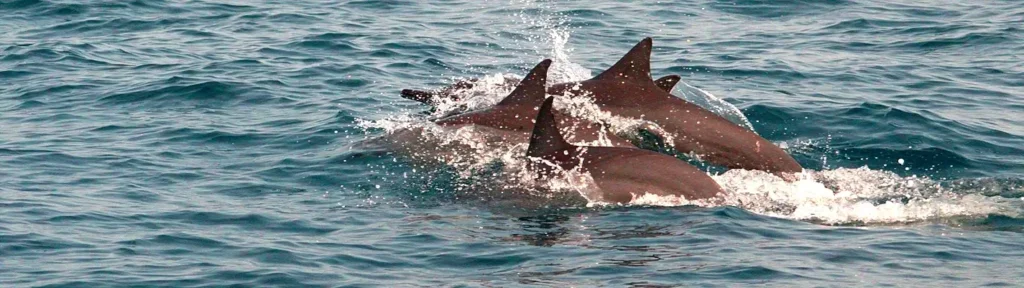
The Outer Banks earns its reputation honestly. Bottlenose dolphins patrol these waters all summer, often close enough to shore that you won’t need binoculars. Nags Head Dolphin Watch has run sightseeing tours here for years, and their success rate stays remarkably consistent.
Here’s what most visitors don’t know: OBX dolphins aren’t just passing through. The Outer Banks Center for Dolphin Research has spent decades photo-identifying the same individuals returning summer after summer. You’re not watching random dolphins. You’re watching neighbors.
3. Kiawah Island and Capers Island, South Carolina
This stretch of the Lowcountry hosts something you genuinely can’t see everywhere: strand feeding. Local dolphins deliberately push fish onto exposed mudflats, then beach themselves briefly to grab the meal before sliding back into the water. It’s a learned behavior, passed down through generations of the same family pods, and only a handful of coastal populations worldwide do it.
Capers Island, accessible mainly by boat, offers some of the most reliable strand-feeding sightings on the entire East Coast. Bring a kayak and paddle the marsh edges at low tide for your best shot.
4. Wrightsville Beach, North Carolina
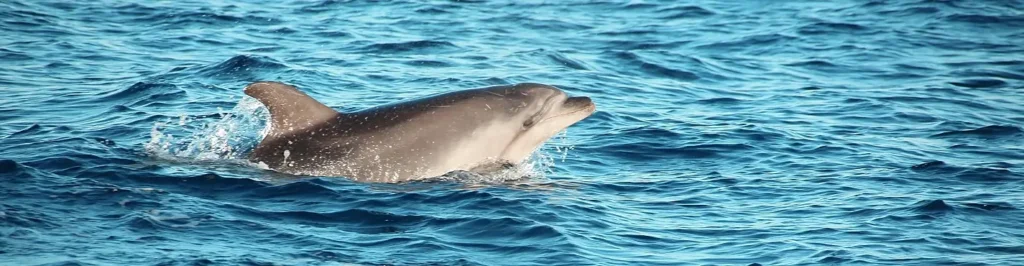
Wrightsville sits further south than the Outer Banks, and its dolphin activity feels more relaxed as a result. Masonboro Inlet, just south of the pier, draws consistent pods chasing bait through the channel. Early evening tends to be prime time, especially as fishing charters head back in and stir up activity along the way.
Locals here also point newcomers toward Masonboro Island itself. It’s undeveloped, boat-access only, and far quieter than the main beach strip during summer.
5. Myrtle Beach and Cherry Grove, South Carolina
The Grand Strand doesn’t get enough credit for its wildlife, probably because everyone’s distracted by mini golf and boardwalk fries. Still, dolphins regularly work the surf line just past the breakers, particularly near Cherry Grove Pier and the calmer waters around Murrells Inlet.
What most visitors don’t know: the marsh walk trails around Murrells Inlet offer a genuinely peaceful, tour-free way to spot dolphins feeding in the creeks at dawn, no boat ticket required.
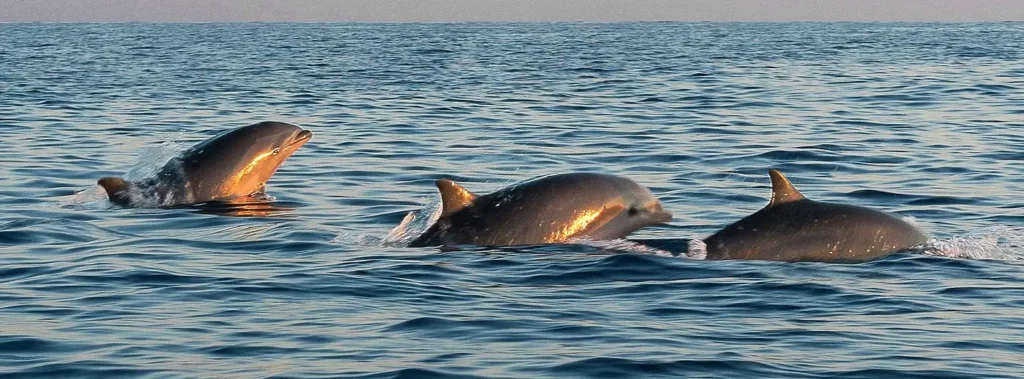
Where Is the Best Place to Go Dolphin Watching?
If you want the single most reliable spot on the entire coast, book a marsh cruise out of Hilton Head or Bluffton. The Lowcountry’s resident pods, combined with its tidal creek systems, create near-guaranteed sightings almost any time of year. For a wilder, more DIY experience, Capers Island’s strand feeding is unmatched, assuming you can time the tide correctly.
Where’s the Best Place to Swim With Dolphins?
Here’s the honest answer nobody wants to give you: nowhere, legally. Wild dolphins along the Carolina coast are protected under the federal Marine Mammal Protection Act, and NOAA Fisheries is explicit about it. Swimming with, approaching, or feeding wild dolphins counts as harassment under federal law, full stop. Officials recommend staying at least 50 yards away, whether you’re on a boat, a paddleboard, or standing on the sand.
This isn’t bureaucratic overcaution, either. Dolphins that lose their natural wariness of humans become easier targets for boat strikes, shark predation, and injury. Ethical tour operators know this and design their trips around respectful distance-viewing instead. If a company promises you’ll swim with wild dolphins, that’s your cue to book elsewhere. Captive swim programs exist in places like the Florida Keys, but they’re a completely different experience, and not one you’ll find anywhere on this coastline.
How Rare Is It to See a Dolphin?
Not rare at all, honestly, which surprises a lot of first-time visitors. Bottlenose dolphins are the most commonly sighted marine mammal along the Carolina coast, and in Lowcountry waters especially, seeing one during a summer visit is closer to expected than lucky. Outer Banks tour operators regularly report success rates well above 90 percent during peak season.
Your odds improve dramatically with a few small habits. Watch for moving tides rather than slack water, since current stirs up baitfish and draws dolphins in to feed. Early morning and late afternoon light also makes fins easier to spot against calmer water. Bring binoculars if you’re watching from shore, and scan just beyond the breakers first.
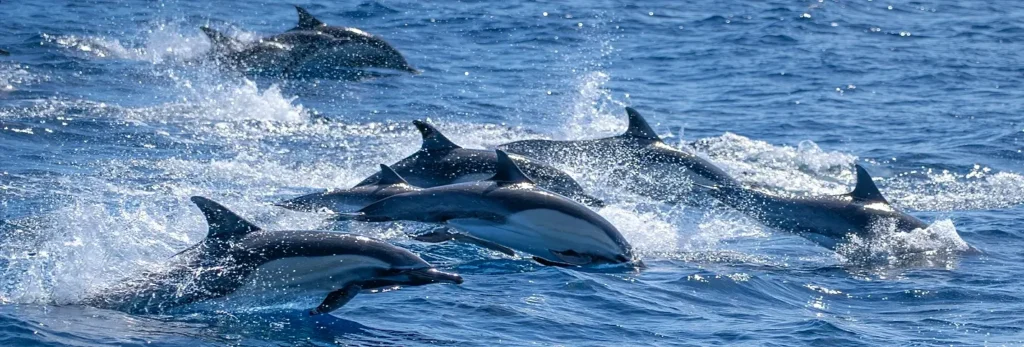
FAQ
Do dolphins live in the Carolinas year-round, or do they migrate? Both happen simultaneously. Resident pods stay in Lowcountry waters year-round, while migratory dolphins move north into the Outer Banks each summer and head south again by fall.
Is it legal to feed dolphins from a boat or dock? No. Feeding wild dolphins is illegal under federal law, and it actively harms them by breaking down their natural wariness of humans and boats.
What’s strand feeding, and where can I see it? Strand feeding is a learned hunting behavior where dolphins push fish onto mudflats and briefly beach themselves to eat. It’s most reliably seen around Capers Island and Kiawah Island, South Carolina.
Can I see dolphins without booking a boat tour? Absolutely. Shore-based spots like Dolphin Head Park on Hilton Head, the Murrells Inlet marsh walk, and Masonboro Inlet near Wrightsville Beach all offer strong sightings without a ticket.
What time of day gives the best dolphin sightings? Early morning and the hour before sunset consistently perform best, largely because calmer water and moving tides make fins easier to spot.
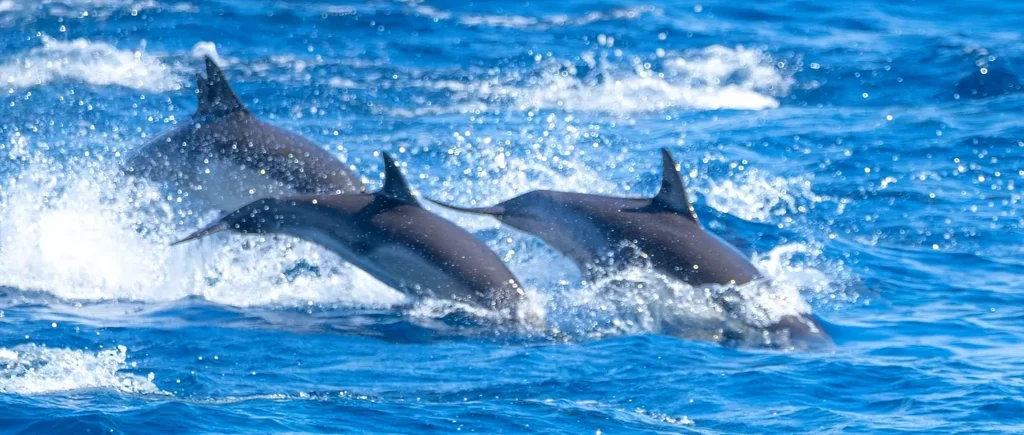
Carolina dolphins aren’t a rare bonus to your beach trip. Along this coast, they’re practically part of the welcome committee.
For more Carolina vacation area guides and Carolina coastal travel inspiration, keep exploring explorecarolinabeaches.com
Planning a Carolina beach trip? Use our Beach Finder Quiz to get a personalized recommendation, or compare any two beaches side by side with the Carolina Beach Comparison Tool.