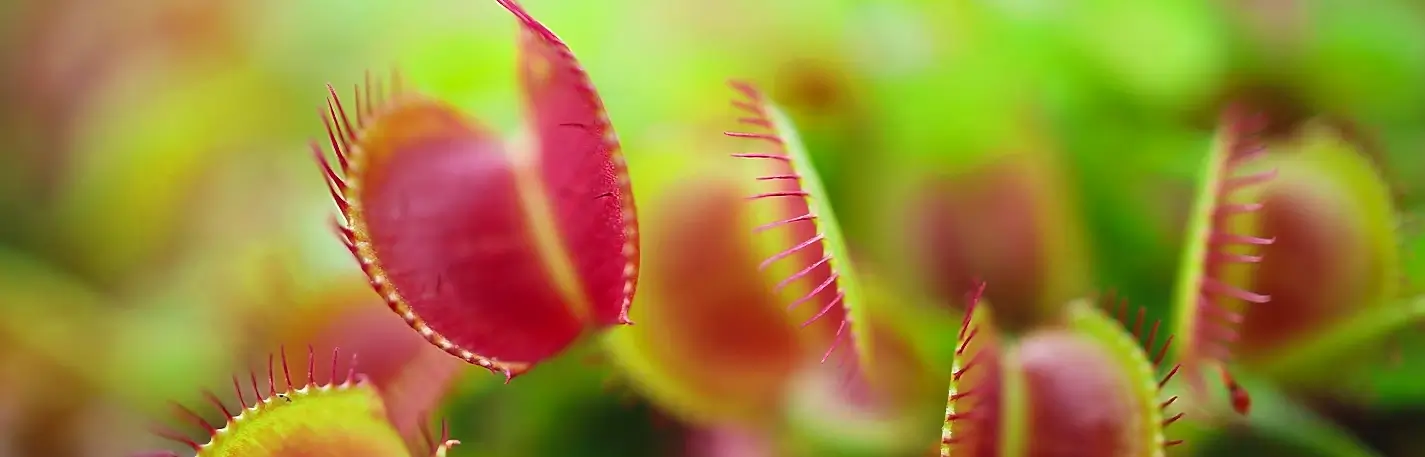
Forget alligators for a second. The most dangerous predator on the Carolina coast fits in the palm of your hand, doesn’t move an inch, and waits. Meet the Venus flytrap, a plant so specific to this stretch of coastline that it grows wild nowhere else on Earth.
Most visitors picture flytraps as a novelty from a gift shop shelf. Locals know better. This little carnivore carries real ecological weight, a surprising legal history, and a life cycle stranger than fiction. Let’s dig in.
Why Are Venus Flytraps Illegal to Harvest?
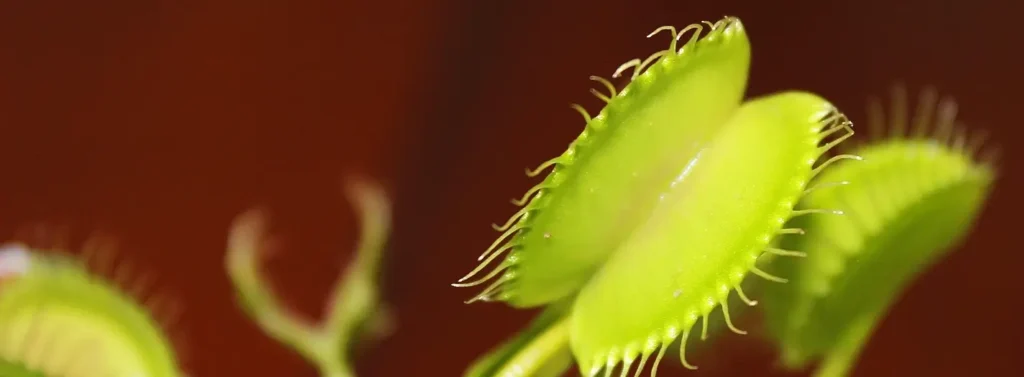
Wild Venus flytraps only grow naturally within roughly 75 to 100 miles of Wilmington, North Carolina. Nowhere else on the planet hosts a native population, not even other parts of the Carolinas outside that radius. That tiny range makes every wild plant precious, and poachers have noticed.
North Carolina made flytrap poaching a felony back in 2014, upgrading it from a minor infraction after a wave of thefts hit conservation land near Wilmington. Each stolen plant now counts as a separate charge, so a poacher caught with a backpack full of flytraps can rack up dozens of felony charges in a single bust. In 2019, a man caught with 73 plants was arrested and had his bond set at $750,000. Wildlife officers have made arrests at Holly Shelter Game Land and Boiling Spring Lakes in recent years, sometimes catching poachers with hundreds of plants at once.
Here’s the insider detail most tourists never hear: local officers say poachers have sold stolen flytraps for as little as a quarter apiece. That tiny payout, weighed against felony prison time, tells you everything about how seriously the state now treats this crime.
Is It Illegal to Own a Venus Flytrap?
Not at all, and that surprises plenty of visitors. Owning a Venus flytrap is completely legal, as long as it came from a nursery or reputable grower instead of a Carolina bog. Garden centers across Wilmington, Myrtle Beach, and beyond sell cultivated flytraps every day without issue.
What’s illegal is digging one up from the wild or removing it from public or private land without the owner’s permission. Conservation experts recommend a simple gut check before buying: ask the seller where their plants came from. If they can’t answer clearly, walk away and shop somewhere else.
Local’s take:
The Stanley Rehder Venus Flytrap Trail, right in Wilmington’s Alderman Park, lets you see wild-growing flytraps up close without touching a single one. It’s free, it’s outdoors, and it’s arguably the single best way to understand why this plant deserves protection.
What Kills a Venus Flytrap?
Ironically, the plant’s own trapping mechanism can shorten its life. Every closure burns serious energy, whether or not the trap actually catches a meal. Tourists poking traps for fun, hoping to watch the snap, do real damage without realizing it.
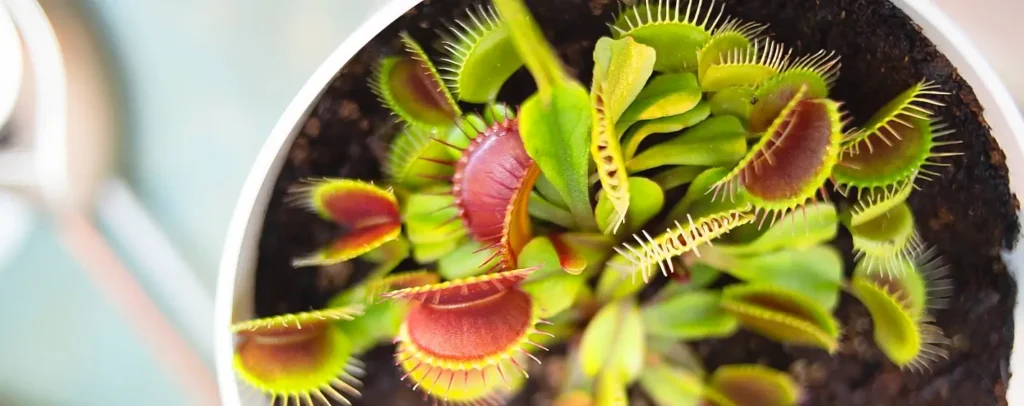
Beyond human interference, flytraps struggle in the wrong environment. They need consistently damp, acidic, nutrient-poor soil, plus plenty of direct sunlight. Overwatering with tap water, planting in regular potting soil, or keeping one indoors away from bright light will all kill a flytrap surprisingly fast. In the wild, habitat loss poses the bigger threat, since development and fire suppression have both shrunk the boggy terrain flytraps depend on.
Conservation groups also point to poaching itself as a direct killer of wild populations. The Nature Conservancy estimates only around 35,000 flytraps remain in the wild today, a number small enough that every illegally removed plant matters.
How Many Times Can a Venus Flytrap Close Before It Dies?
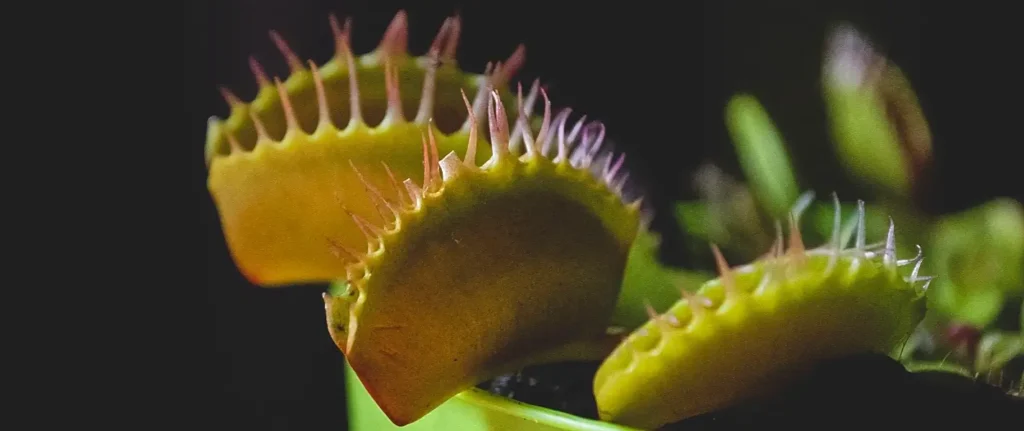
Individual traps aren’t built for unlimited use. Most research puts the number somewhere between five and ten closures before a single trap wears out and dies. After that, the entire trap turns black, falls off, and the plant grows a fresh one from its underground stem.
Interestingly, a trap that closes without catching anything still counts against that total. Scientists have found the plant can actually count trigger-hair touches, waiting for multiple contacts before committing to digestion. That’s why wildlife guides constantly remind curious visitors: don’t poke it just to watch it snap. You’re spending down a resource the plant can’t easily replace.
What most visitors don’t know: the whole plant doesn’t die when one trap wears out. A healthy Venus flytrap keeps producing new traps throughout its life, cycling through leaves the way other plants shed and regrow foliage.
What Is the Lifespan of a Venus Flytrap?
Individual traps last only weeks, but the plant itself sticks around far longer. Researchers generally estimate a healthy Venus flytrap can live up to 20 years in the wild, and some may survive even longer under ideal conditions. That’s a remarkable run for a plant most people assume is delicate.
Longevity depends heavily on habitat quality, though, and that’s precisely why conservationists worry about development pressure near Wilmington. Fewer intact bogs mean fewer decades-old plants surviving to maturity. Seed banking efforts, including work done through the North Carolina Botanical Garden, now preserve genetic diversity in case restoration ever becomes necessary at a larger scale.
What Is the Biggest Thing a Venus Flytrap Can Eat?
Ants, spiders, and beetles make up the bulk of a typical flytrap’s diet, alongside the occasional fly or moth. Size matters here, though, and a trap generally can’t safely handle prey much larger than about a third of its own size. Overly large meals risk rotting inside the trap instead of digesting properly.
Every so often, though, a flytrap manages something unexpected. Rare documented cases show flytraps catching small frogs, an ambitious meal for a plant that mostly targets crawling insects. Don’t expect that on every hike through the Green Swamp, though. It’s a genuine outlier, not a regular menu item.
A Local’s Guide to Seeing Them Ethically
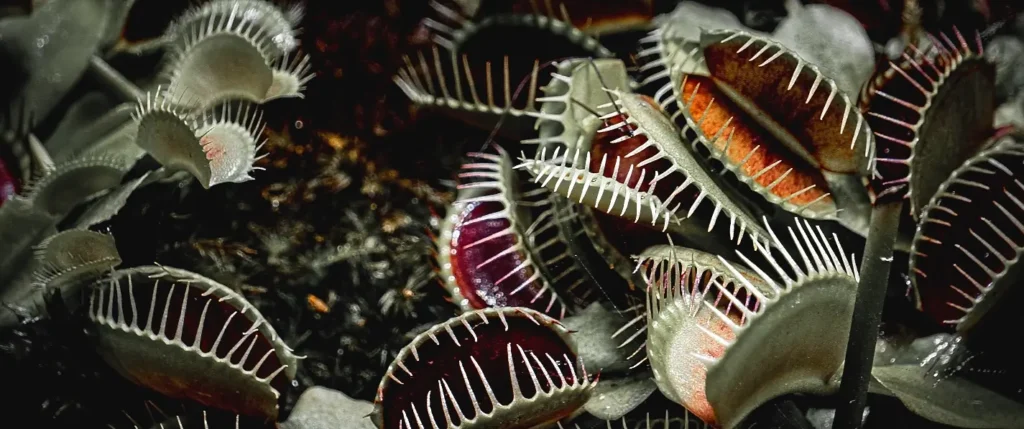
If you want to see wild Venus flytraps without contributing to their decline, stick to protected, publicly accessible sites instead of wandering random bogs off the highway. Green Swamp Preserve, managed by The Nature Conservancy near Supply, North Carolina, offers boardwalk access specifically designed to protect fragile plant populations. Holly Shelter Game Land also hosts wild populations, though it doubles as an active poaching hotspot, so stick strictly to marked trails.
Whatever you do, resist the urge to trigger a wild trap just to see the snap. Every closure costs the plant something. Watching quietly, camera in hand, respects both the plant and the fragile ecosystem propping it up.
FAQ
Are Venus flytraps only found in North Carolina and South Carolina? Yes. Wild populations exist naturally only within roughly 75 to 100 miles of Wilmington, North Carolina, making this region the plant’s entire native range on Earth.
Can I dig up a Venus flytrap I find in the wild? No. Removing a wild Venus flytrap from public or private land without permission is a felony in North Carolina, regardless of how many plants you take.
Is buying a Venus flytrap from a store illegal? No. Purchasing a nursery-grown, cultivated Venus flytrap is completely legal, as long as it wasn’t illegally harvested from the wild first.
Why do Venus flytraps only grow near Wilmington? The area’s boggy, nutrient-poor, consistently damp soil created the exact evolutionary pressure that led flytraps to supplement their diet with insects in the first place.
Do Venus flytraps regrow traps after they die? Yes. Once an individual trap wears out and blackens, the plant produces a new one from its underground stem, keeping the whole plant alive for years.
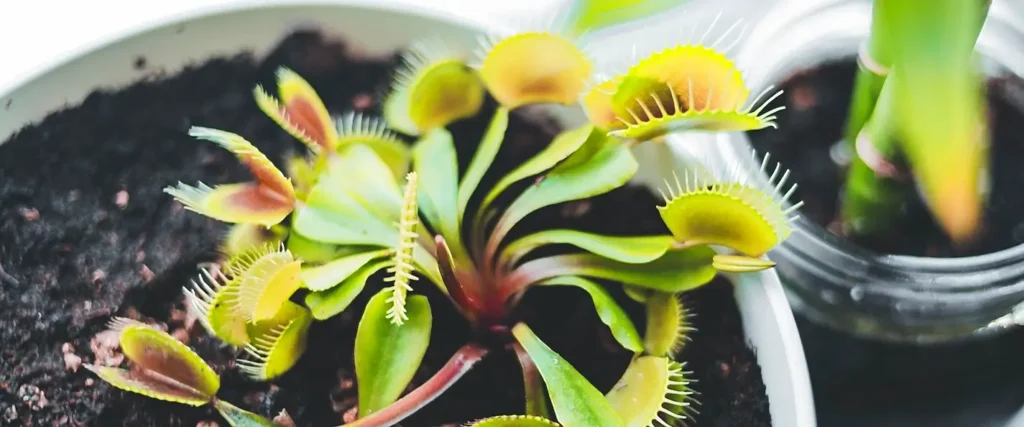
The Carolina coast doesn’t just offer great beaches. It offers one of the strangest, rarest plants on the planet, found nowhere else on Earth. That alone is worth protecting.
For more beach guides and Carolina coastal travel inspiration, keep exploring explorecarolinabeaches.com
Planning a Carolina beach trip? Use our Beach Finder Quiz to get a personalized recommendation, or compare any two beaches side by side with the Carolina Beach Comparison Tool.