
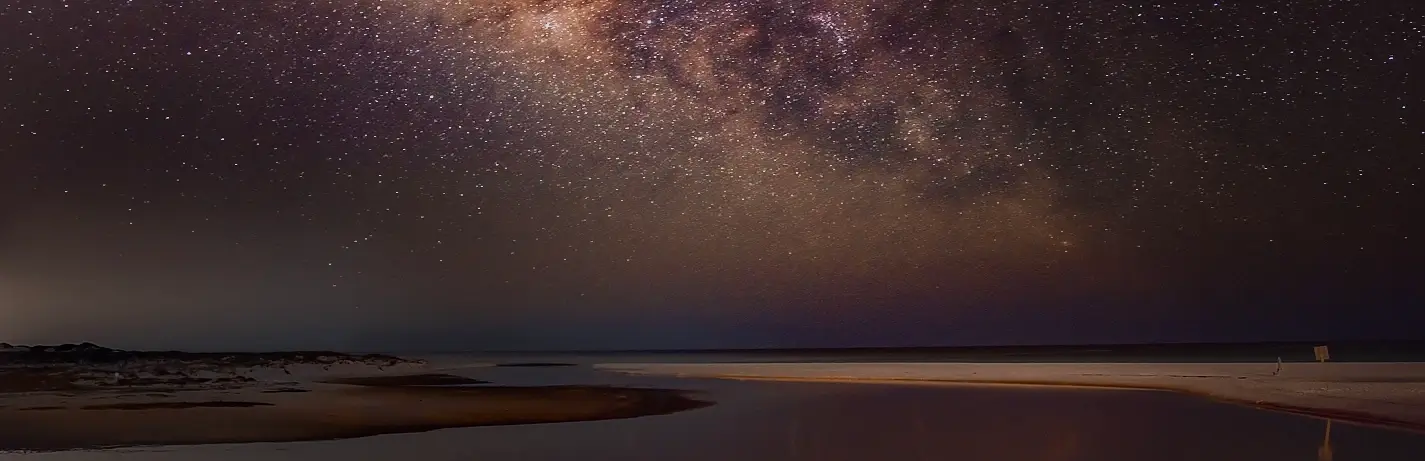
Everyone plans their beach trip around sunrise and sunset. Smart travelers plan around midnight instead. Call it noctourism, the fast-growing trend built around dark skies, quiet nights, and views most vacationers never bother looking up for.
South Carolina’s own 2026 tourism report specifically named noctourism as a rising travel category. Yet almost nobody has written a real, coastal-specific guide to it. That’s a shame, because this stretch of coastline hides some genuinely spectacular night skies, including one of the only certified Dark Sky Parks on the entire Atlantic seaboard.
Why Noctourism Is Suddenly Everywhere
Travelers are burned out on crowded boardwalks and packed parking lots. Noctourism flips the itinerary, trading midday heat for cooler evenings and thinner crowds. Along the Carolina coast, that shift makes even more sense, since barrier islands and remote beaches naturally sit far from major light pollution.
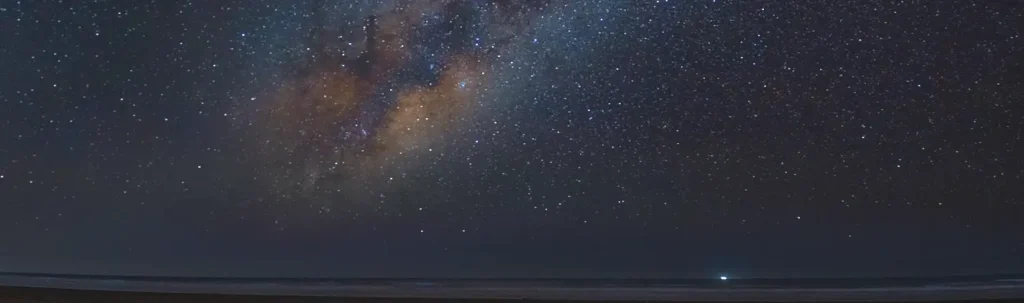
Unlike inland stargazing destinations, coastal dark-sky spots add something extra: the horizon. Watching the Milky Way rise directly over open ocean feels different than watching it from a mountain ridge. Once you’ve seen it, regular beach sunsets start to feel a little incomplete.
Cape Lookout National Seashore, North Carolina
Here’s the headline fact most visitors don’t know: Cape Lookout National Seashore became the first Atlantic coastal International Dark Sky Park in the entire National Park System. The certification came through in December 2021, after a two-year process that included retrofitting lighting across the park and surrounding communities.
Fifty-six miles of undeveloped barrier island make this place special. Without hotels, streetlights, or boardwalk arcades competing for attention, the sky genuinely takes over after dark. Start your trip at the Harkers Island Visitor Center, where the local Crystal Coast Stargazers group regularly hosts public telescope nights.
Local’s take:
Don’t skip the Starlight Cruise. Island Express Ferry Service runs evening trips out to the Cape Lookout Lighthouse, where guides point out constellations against the silhouette of the historic tower. Reservations disappear fast, so book well before your trip, especially during April’s Dark Sky Week celebrations.
Ocracoke Island, North Carolina
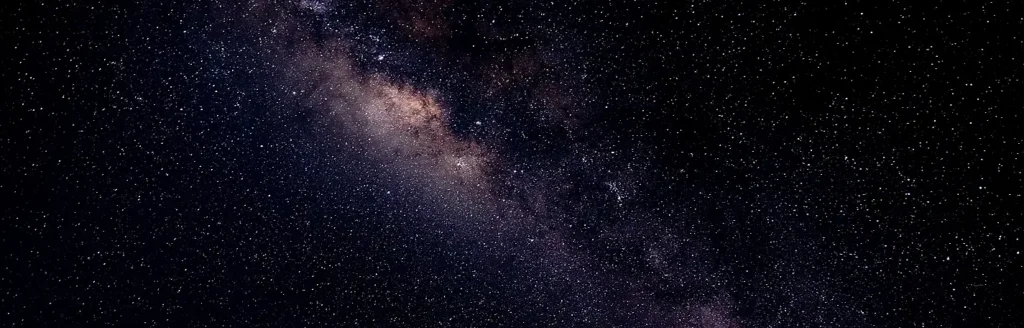
Further north, Ocracoke Island offers a different flavor of darkness. Part of Cape Hatteras National Seashore, this ferry-only island stays remote enough that light pollution barely registers. Summer visitors can join “Night Skies Over Ocracoke” ranger programs, which cover constellations, planets, and basic dark-sky etiquette.
What most tourists never realize: getting to Ocracoke is half the experience. The ferry ride alone, especially at dusk, sets up the night perfectly. By the time you step off the boat, your eyes have already started adjusting to the dark.
The Brunswick Islands, North Carolina
Six south-facing beaches make the Brunswick Islands uniquely suited to stargazing, since that orientation keeps development largely out of your sightline. Late April through late July offers the strongest Milky Way views, and conveniently, that window overlaps with some of the warmest stargazing weather on this list.
Rainy night? Head to Ingram Planetarium in Sunset Beach instead. It’s a clever backup plan, complete with laser shows, and it keeps kids engaged even when clouds roll in off the Atlantic.
Hunting Island State Park, South Carolina
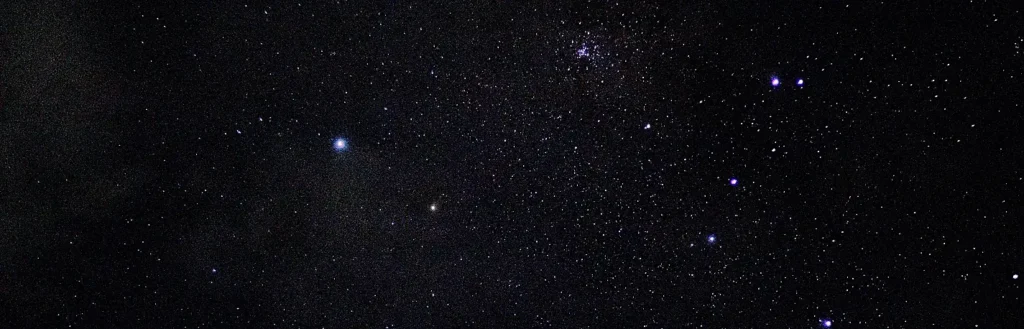
Cross into the Lowcountry, and Hunting Island quickly becomes the standout. This 5,000-acre barrier island feels almost prehistoric, with palmettos and pines crowding right up to the shoreline. On clear nights, Jupiter and Saturn become visible to the naked eye, while binoculars can occasionally pick out Uranus and Neptune.
The park’s ranger-led “Park After Dark” program combines beachcombing with stargazing, walking guests out to the eerily beautiful Boneyard Beach after sunset. Insider tip: this stretch of shoreline, littered with sun-bleached driftwood, photographs just as dramatically at night as it does during golden hour.
Edisto Beach State Park, South Carolina
Roughly 50 miles south of Charleston, Edisto Beach State Park stands out as one of South Carolina’s few genuinely oceanfront state parks. Its 1.5 miles of undeveloped beach create an open, unobstructed sky, perfect for both casual stargazers and serious astrophotographers.
Here’s a local’s secret worth knowing: Edisto’s Sea Turtle Night Walks, running May through October, sometimes coincide with excellent stargazing conditions on the very same evening. Guides lead small groups along the beach specifically after dark, watching for nesting loggerheads while the stars come out overhead. Ask a ranger about timing before you book, since turtle activity and moon phase both affect the experience.
Planning Your Own Noctourism Trip
Timing matters more than most first-time stargazers expect. Check the moon phase before booking anything, since a bright full moon washes out fainter stars regardless of how remote your location is. New moon weekends consistently offer the darkest, clearest views across every spot on this list.
Pack accordingly, too. Bring a red-light flashlight instead of a regular one, since white light ruins your night vision almost instantly. Blankets or low beach chairs beat standing for hours, and bug spray becomes essential the moment humidity rises along any Lowcountry marsh or maritime forest.
Finally, patience pays off. Give your eyes at least twenty minutes to fully adjust before judging how dark the sky really looks. Coastal skies reward stillness, and rushing the process usually means missing the best part entirely.
FAQ
What is noctourism? Noctourism refers to travel built around nighttime experiences, particularly stargazing in areas with minimal light pollution. South Carolina’s 2026 tourism report specifically identified it as a growing travel trend statewide.
Is Cape Lookout really a certified Dark Sky Park? Yes. Cape Lookout National Seashore received International Dark Sky Park certification in December 2021, becoming the first Atlantic coastal location in the National Park Service to earn that designation.
What’s the best time of year for stargazing on the Carolina coast? Late spring through summer generally offers the clearest skies and best Milky Way visibility, though checking the moon phase matters more than the season itself.
Do I need a telescope to enjoy coastal stargazing? No. Many of these locations offer naked-eye views of planets and the Milky Way, and several parks host ranger-led programs with telescopes already provided.
Are there stargazing spots in South Carolina’s Lowcountry specifically? Yes. Hunting Island State Park and Edisto Beach State Park both offer excellent oceanfront stargazing, thanks to minimal nearby development and unusually open sky views.
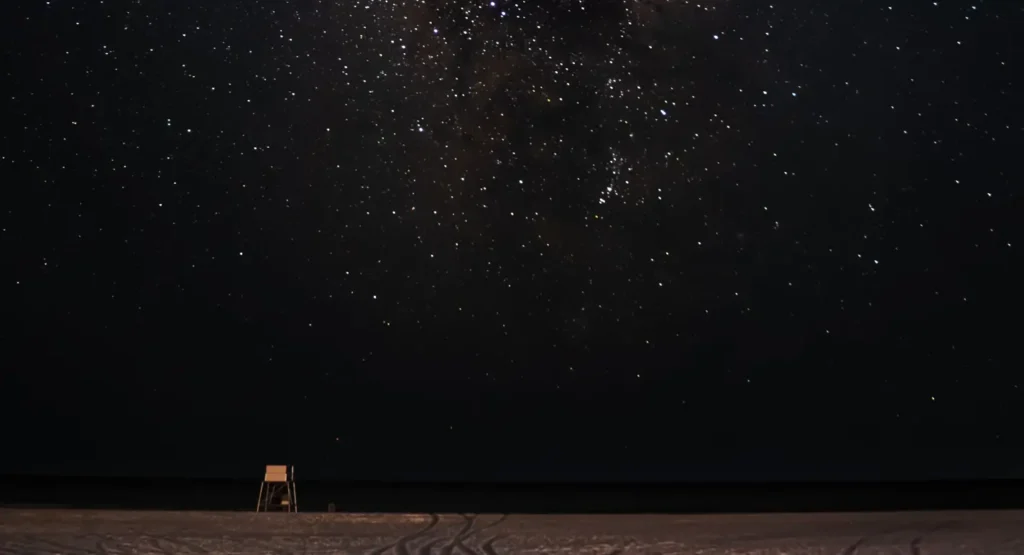
Most people come to the Carolina coast chasing sunshine. Stick around after dark, and you’ll find something even rarer waiting overhead.
For more beach guides and Carolina coastal travel inspiration, keep exploring explorecarolinabeaches.com
Planning a Carolina beach trip? Use our Beach Finder Quiz to get a personalized recommendation, or compare any two beaches side by side with the Carolina Beach Comparison Tool.
📱 Download our free Carolina Beaches app — Get it here