
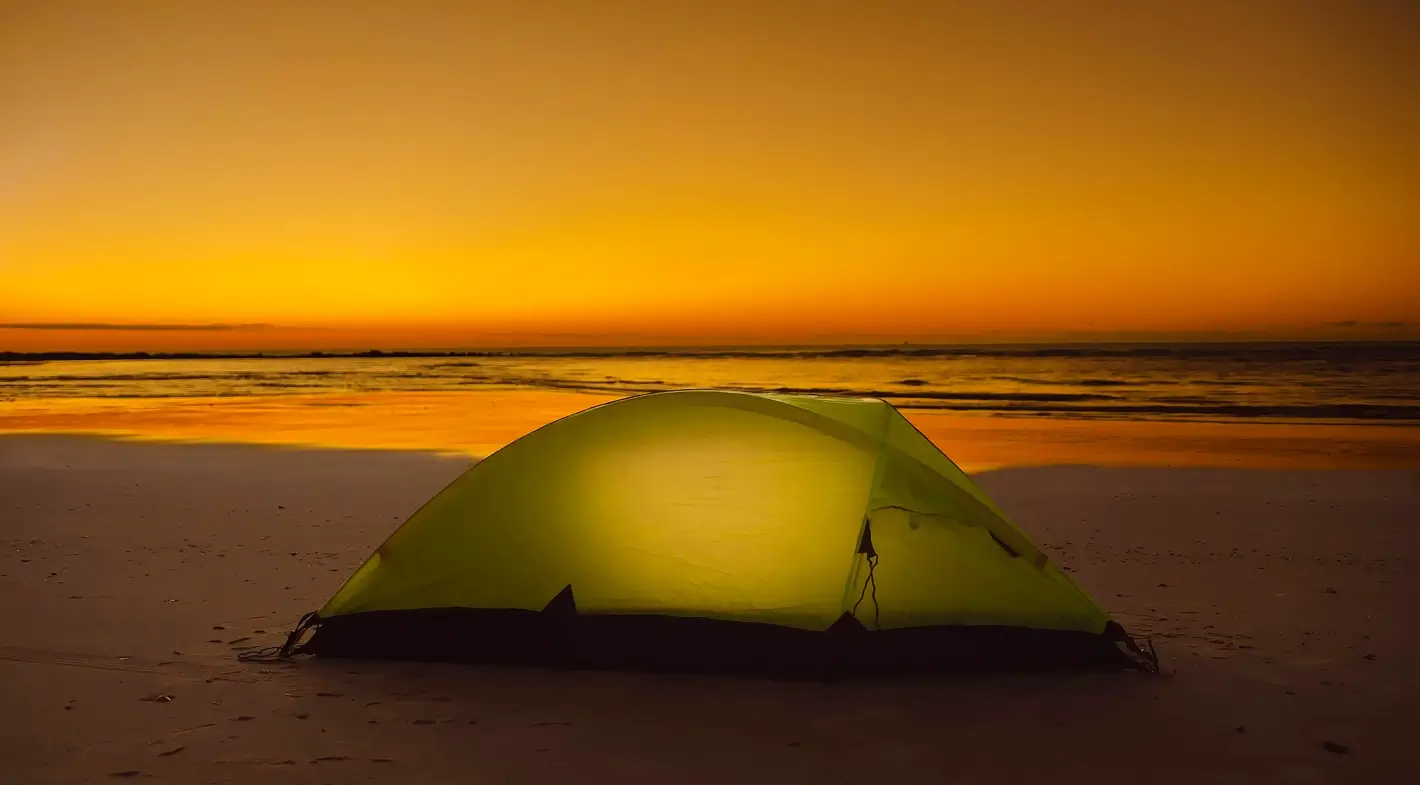
Tents versus RVs. Primitive versus paved. Wild horses versus water parks. The Carolina coast just proved it can deliver all of it, and our editorial team at Explore Carolina Beaches has officially named this year’s 10 best camping spots on the coast, covering every version of “sleeping near the ocean” you could want.
We’re talking barrier islands with no cars, a castle ruin next to your fire pit, and one spot with a literal water park attached. Grab the cooler. Here’s where to pitch your tent this year.
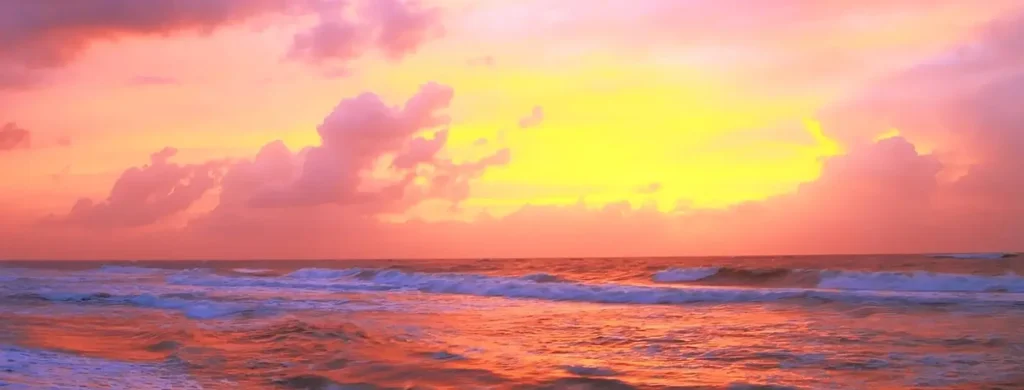
Cape Hatteras National Seashore (Outer Banks, NC)
Nothing beats waking up to Atlantic waves crashing fifty yards from your tent. Cape Hatteras offers exactly that, across four campgrounds spread along 70 miles of undeveloped shoreline. Frisco, Cape Point, Ocracoke, and Oregon Inlet each bring their own personality, but the theme stays consistent: raw, remote, oceanfront camping without a boardwalk in sight.
Cape Point campground sits closest to the famous lighthouse and remains one of the few spots where you can surf-fish steps from your campsite. Bring stakes rated for wind, because Hatteras breezes don’t mess around.
Local’s take:
Skip peak July if you can. September brings cooler nights, thinner crowds, and some of the best surf fishing of the year for red drum and Spanish mackerel.
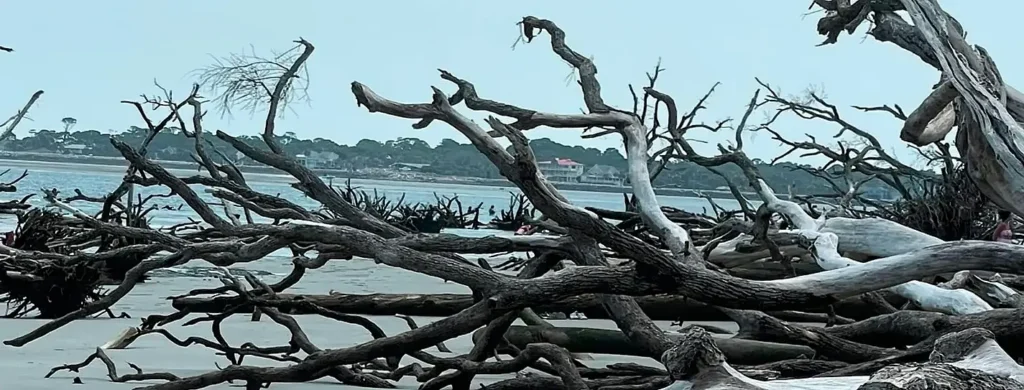
Hunting Island State Park (SC)
South Carolina’s most photographed lighthouse anchors this Lowcountry gem, but the real showstopper is the beach itself. Erosion has turned the shoreline into a driftwood graveyard, and it’s stunning in a way that photos never quite capture.
Wooded sites tuck campers back from the dunes, giving shade during the day and easy beach access after dinner. The park’s boardwalk trail through the maritime forest connects campers directly to the sand without a single road crossing.
Road-tripping down in an RV? The Lowcountry rewards it. Hunting Island State Park offers full hookups within easy reach of the marsh and the sand. Check out our full guide to coastal RV parks from the Outer Banks to the Lowcountry for site recommendations.
What most visitors don’t know:
Hunting Island’s lighthouse is one of only a few in South Carolina still open for climbing. Time it for late afternoon, and the view stretches clear across the marsh toward Fripp Island.
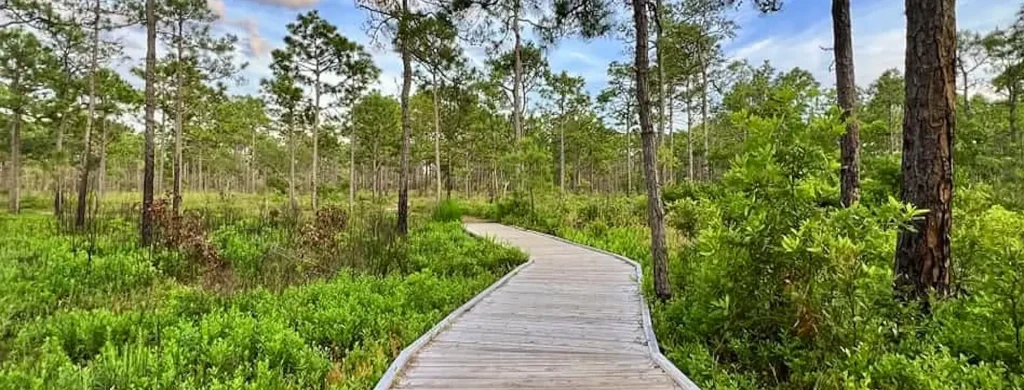
Carolina Beach State Park (NC)
Just south of Wilmington, this park proves you don’t need total isolation to feel like you’ve escaped. Wooded campsites offer genuine privacy, and the on-site marina makes it one of the few coastal campgrounds where you can launch a boat straight from your site.
The real headline, though, is botanical. Carolina Beach State Park sits within the native range of the Venus flytrap, and its short interpretive trail lets campers see the carnivorous plant growing wild. That’s a rare claim for any campground, let alone one this close to a beach town.
Insider tip:
Walk the flytrap trail early morning or right before sunset. Midday heat sends most wildlife into hiding, but the plants themselves stay active all day.
Huntington Beach State Park (Murrells Inlet, SC)
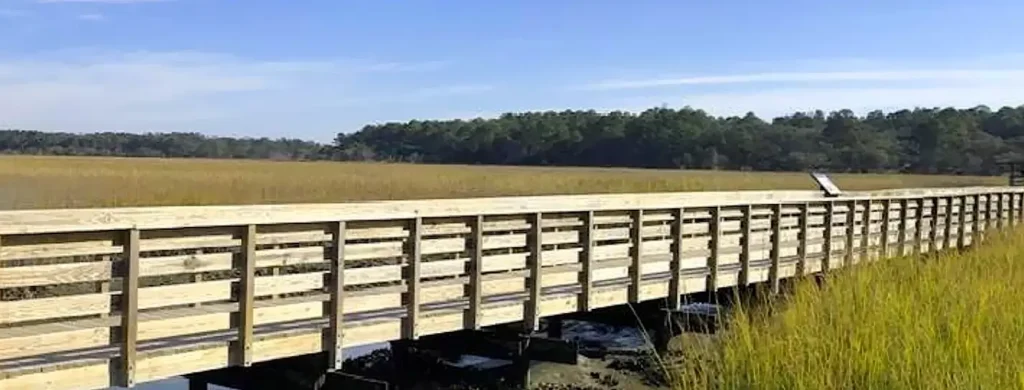
Paved sites, oceanfront access, and one seriously unexpected historic backdrop make this Murrells Inlet park stand out. Atalaya, the crumbling Moorish-style castle built in the 1930s by sculptor Anna Hyatt Huntington and her husband, sits right on the property.
Beyond the architecture, this park earns its reputation with birders. The salt marsh and maritime forest habitat support one of the most consistent bird-watching scenes on the Grand Strand, and surf fishing along the beach stays productive nearly year-round.
Local’s take:
Check the ranger schedule for guided Atalaya tours. Walking through empty concrete rooms that once housed big cats (yes, really, the Huntingtons kept them here) is not something you get at a typical state park.
Cape Lookout National Seashore (NC)
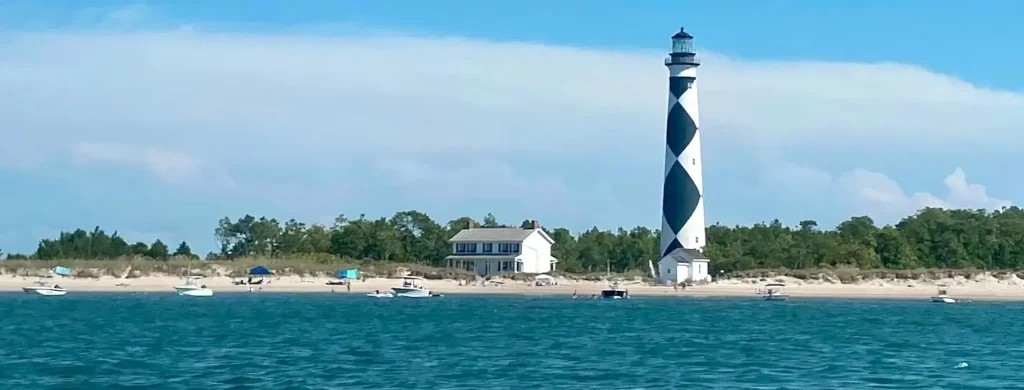
If total isolation is the goal, this is the spot. Cape Lookout’s barrier islands have no roads, no bridges, and no permanent structures beyond a handful of historic cabins. Getting here means a ferry ride, and that alone filters out the crowds.
Primitive beach camping here means pitching a tent directly on an undeveloped shoreline, often with nobody else in sight for miles. Surf fishing draws serious anglers, but the real celebrity residents are the wild horses of Shackleford Banks. Around 100 Colonial Spanish-descended horses roam that island today, protected under federal law since 1998.
What most visitors don’t know:
federal rules require staying at least 50 feet from the horses at all times. It’s not a suggestion, it’s enforced, and it’s for the horses’ safety as much as yours.
Edisto Beach State Park (SC)
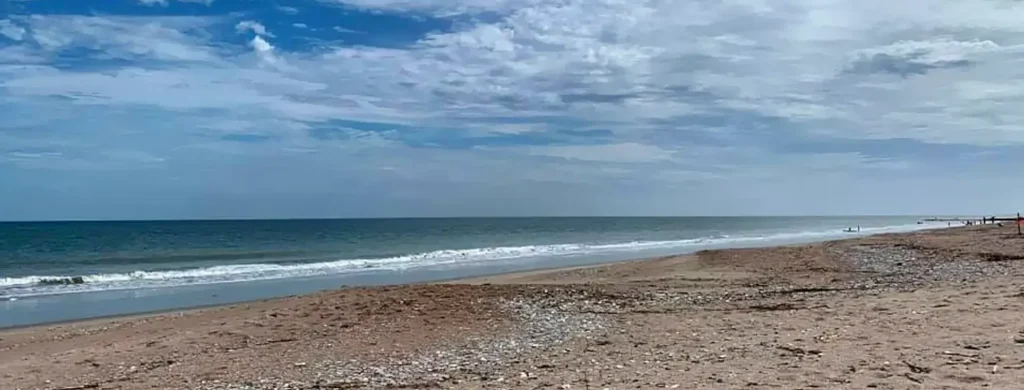
Edisto does quiet better than almost anywhere on this list. Maritime forest canopies shade much of the campground, while marsh boardwalks and oceanfront sites give campers a choice between two totally different Lowcountry landscapes.
The oceanfront section puts you steps from the Atlantic, a rarity for a park this uncrowded. Edisto’s beach also ranks among the best shelling spots in South Carolina, especially after a strong tide.
Insider tip:
Bring a kayak if you have one. Edisto’s marsh creeks offer some of the calmest, most scenic paddling on the entire South Carolina coast.
Ocracoke Island Campground (Outer Banks, NC)
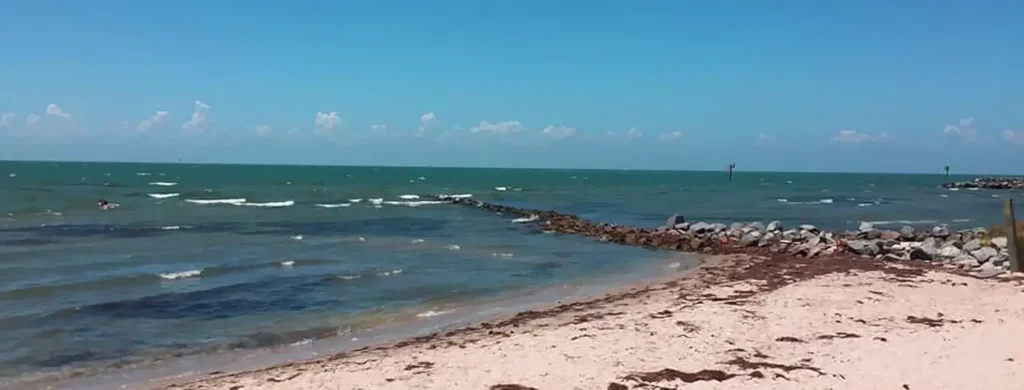
Getting to Ocracoke requires a ferry, and that small barrier keeps this campground refreshingly uncrowded compared to its Outer Banks neighbors. The National Park Service site sits within walking distance of pristine beach and a short bike ride from Ocracoke Village.
The village itself is the real bonus here. Golf carts outnumber cars, the pace slows down immediately, and local seafood spots serve some of the freshest catch on the entire Outer Banks.
Local’s take:
Reserve the ferry well ahead of summer weekends. Walk-on spots exist, but vehicle reservations fill up fast, especially for anyone towing an RV.
Myrtle Beach State Park (SC)
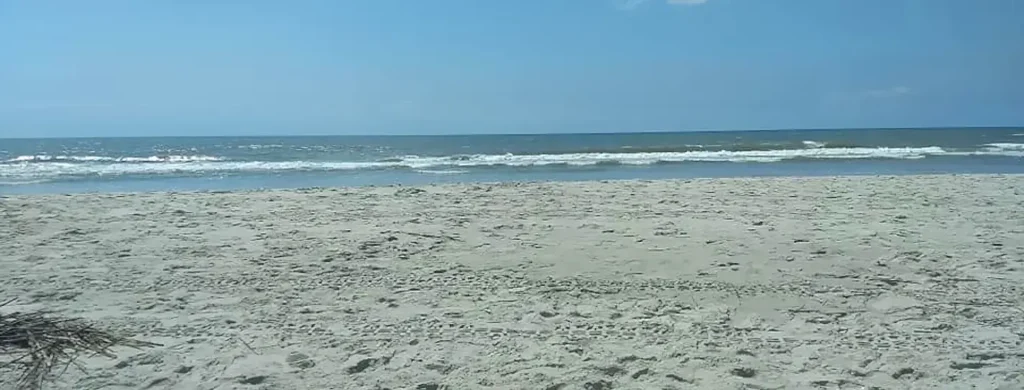
Surrounded by the Grand Strand’s high-rises and boardwalk energy, this park feels like stepping into a different decade. Mature maritime forest shades nearly every site, and the walk to the beach takes just a few minutes.
It’s proof that Myrtle Beach isn’t only mini-golf and arcades. Campers get a genuinely peaceful, green retreat while staying close enough to dip into the Strand’s restaurants and attractions whenever the mood strikes.
What most visitors don’t know:
the park’s fishing pier predates most of Myrtle Beach’s modern development and remains one of the most affordable fishing piers on the entire coast.
Ocean Lakes Family Campground (Myrtle Beach, SC)
This one flips the script entirely. Ocean Lakes is less “campground” and more “small oceanfront town,” with a water park, arcade, general store, and thousands of RV and tent sites packed into one sprawling property.
Families come back year after year, often booking the same site a full year in advance. It’s the polar opposite of Cape Lookout’s isolation, and that’s exactly the point. Some campers want quiet. Others want a lazy river within walking distance of their camper.
Insider tip: Sites near the oceanfront section book up first, sometimes over a year out. If flexibility matters more than location, inland sites open up much closer to your trip date.
James Island County Park (Charleston, SC)
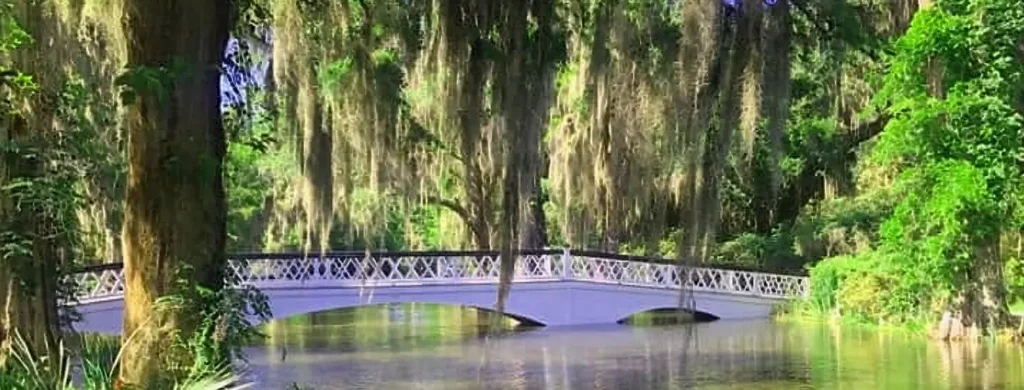
Charleston’s most convenient basecamp for campers, this park pairs lush, well-maintained landscaping with genuine proximity to downtown. Folly Beach Pier sits a short drive away, and historic Charleston is close enough for an easy day trip without breaking camp.
The park itself holds its own too, with a splash zone, dog park, and paved trails that make it functional for families and RV travelers alike. Few coastal campgrounds pair this much convenience with this much charm.
Local’s take:
Book early if a Charleston festival weekend overlaps with your trip. This park fills up fast whenever downtown has something major going on.
Which Carolina Coast Campground Should You Choose?
Isolation-seekers belong at Cape Lookout or Ocracoke. Families wanting full amenities should head straight to Ocean Lakes or James Island County Park. History lovers can’t go wrong with Huntington Beach’s castle ruins or Hunting Island’s lighthouse climb. And anyone chasing that classic wild, oceanfront tent experience should start with Cape Hatteras.
Whichever you pick, one thing stays consistent across every campground on this list: the Carolina coast still knows how to make you feel small next to something bigger, whether that’s the ocean, the marsh, or a herd of wild horses that couldn’t care less you’re there.
FAQ
What is the most remote campground on the Carolina coast? Cape Lookout National Seashore takes that title. Its barrier islands have no roads or bridges, and camping there is primitive, ferry-access only.
Which Carolina coast campground is best for families? Ocean Lakes Family Campground in Myrtle Beach offers the most amenities, including a water park, arcade, and general store, making it a strong pick for families.
Where can you camp near wild horses on the Carolina coast? Cape Lookout National Seashore’s Shackleford Banks is home to roughly 100 wild Colonial Spanish horses, protected under federal law since 1998.
Which campground is closest to Charleston? James Island County Park sits just a short drive from downtown Charleston and Folly Beach, making it the most convenient option for exploring the city.
Can you see a Venus flytrap while camping on the Carolina coast? Yes. Carolina Beach State Park, just south of Wilmington, includes an interpretive trail through the native range of wild Venus flytraps.
Which state park has a historic castle on its grounds? Huntington Beach State Park in Murrells Inlet features Atalaya, a 1930s Moorish-style residence built by sculptor Anna Hyatt Huntington.
For more Carolina vacation area guides and Carolina coastal travel inspiration, keep exploring explorecarolinabeaches.com
Planning a Carolina beach trip? Use our Beach Finder Quiz to get a personalized recommendation, or compare any two beaches side by side with the Carolina Beach Comparison Tool.
📱 Download our free Carolina Beaches app — Get it here