
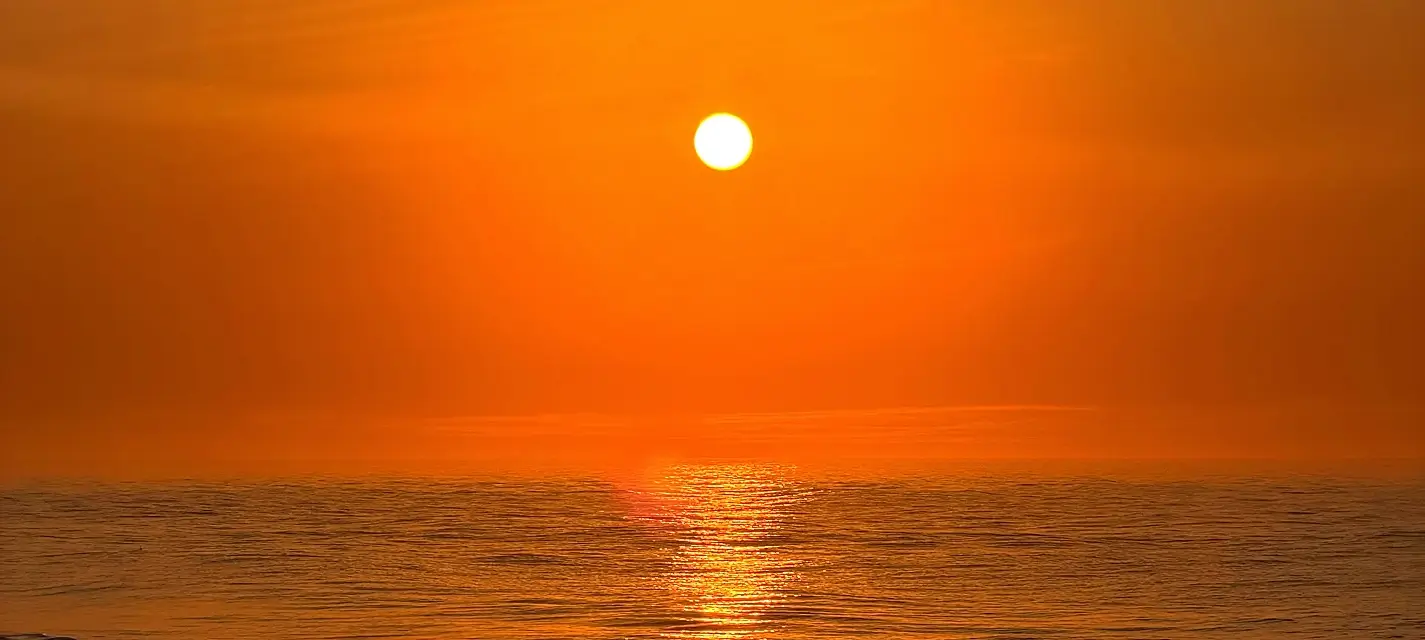
August on the Carolina coast doesn’t ease you into it. It hits like a wall of humidity the second you step outside, and the “dog days” nickname suddenly makes perfect sense.
The phrase actually comes from ancient astronomy, not panting Labradors on the sand. It refers to the period when Sirius, the “Dog Star,” rises alongside the sun, a stretch the Romans blamed for heat, lethargy, and general misery. They weren’t wrong about the misery part. Late July through August brings the Carolina coast’s hottest, stickiest stretch of the year, and knowing how to work around it separates a great beach trip from a sunburned slog.
Here’s how locals actually handle this stretch, plus a rundown of where to go and what’s happening while you do it.
Beat the Clock, Not Just the Heat
Locals rarely hit the sand at noon. The real secret to a good beach day in August isn’t sunscreen strength or which cooler you bring. It’s timing.
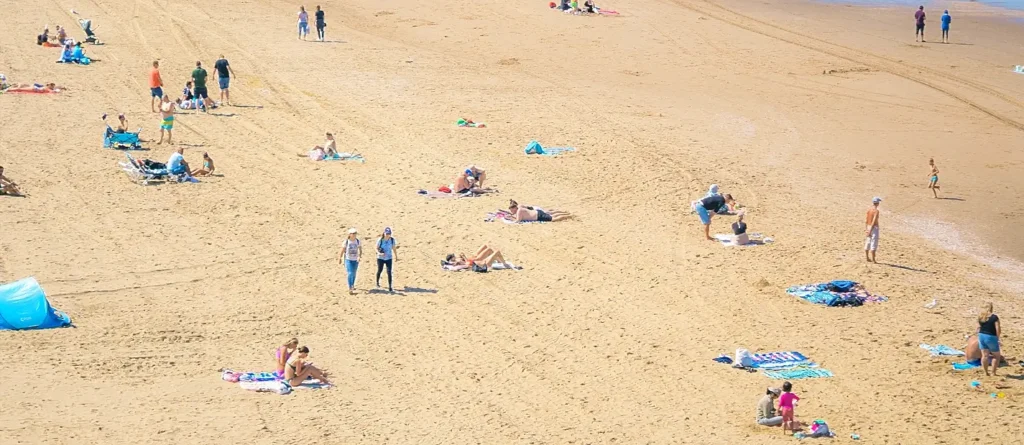
Mornings before 10 a.m. and evenings after 5 p.m. offer the sweet spot: warm enough to swim, cool enough to actually enjoy it. Midday sun on Carolina beaches can push heat index numbers well past 100 degrees, especially on wide, reflective stretches like Myrtle Beach’s Grand Strand or Wrightsville Beach’s open sand.
Local’s take:
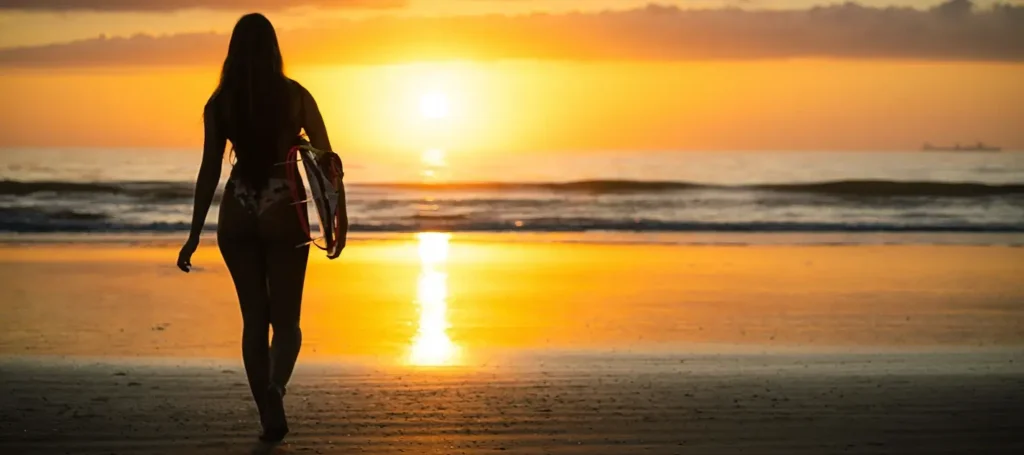
If you only get one beach session in during a scorching week, make it sunrise. Watching the sun come up over the Atlantic near Nags Head or Kure Beach costs you nothing and beats fighting midday crowds entirely.
Best Beaches for Actually Cooling Off
Not all Carolina beaches handle summer heat equally. A few spots genuinely help you beat it.
Wrightsville Beach, just outside Wilmington, benefits from a steady onshore breeze that keeps the sand slightly more bearable than inland alternatives. Folly Beach, near Charleston, offers a similar advantage, with cooler ocean currents and a laid-back surf culture built around long mornings and early exits before peak heat.
For families wanting shade options, Hunting Island State Park near Beaufort, SC, pairs beach access with a genuinely dense maritime forest, giving you somewhere to retreat when the sun gets aggressive. Meanwhile, Emerald Isle and the Crystal Coast’s barrier islands tend to run a few degrees cooler than the Grand Strand, thanks to their narrower profile and stronger cross-winds.
What most visitors don’t know:
Water temperature climbs right alongside air temperature in August, meaning ocean swims stop feeling as refreshing as they do in June. If you want a genuine cool-down, look for spots with strong tidal flow, like inlets near Oak Island, where moving water stays noticeably cooler than the shallows.
Nearby Towns Worth Escaping To
When the beach itself feels unbearable, a short drive inland or to a shadier town can save the day.
Southport, just south of Wilmington, offers tree-lined streets and waterfront dining that feels several degrees cooler than open sand. Beaufort, NC, does the same trick further up the coast, with a historic downtown built for slow, shaded strolls between air-conditioned shops and restaurants.
Down in South Carolina, downtown Beaufort and Georgetown both offer similar relief, pairing history with genuine tree cover along the waterfront. If you’re staying near Myrtle Beach, consider a half-day trip inland to Conway, where the Riverwalk’s cypress-lined path stays noticeably cooler than the open boardwalk back at the beach.
August Events Worth Building Your Trip Around
Heat or not, the Carolina coast doesn’t slow down in August. A few standouts worth planning around this year:
The 20th Annual OBX Watermelon Festival hits Jockey’s Ridge Crossing in Nags Head on Thursday, August 6, from 10 a.m. to 4 p.m. It’s a milestone anniversary, and the shopping center’s central location makes it an easy add-on for anyone staying along the central Outer Banks.
Down in Myrtle Beach, the Craftsmen’s Summer Classic Arts & Crafts Festival runs July 31 through August 2 at the Myrtle Beach Convention Center, bringing hundreds of artists together for a shopper-friendly, air-conditioned escape from the heat outside.
Later in the month, Brookgreen Gardens’ Summer Light: Art by Night continues through August 22, giving evening visitors a cooler, glowing alternative to daytime sightseeing near Myrtle Beach. Golf fans should also note the Myrtle Beach World Amateur Championship, which kicks off August 29 and draws thousands of amateur golfers from around the world to close out the month.
Insider tip:
Most of these events cluster around mornings, evenings, or indoor venues for good reason. Locals build their August calendars around exactly that pattern, and visitors should too.
Small Habits That Make a Big Difference
Beyond timing your beach trips and picking cooler towns, a few small habits go a long way during the dog days.
Hydration matters more than most visitors expect. The combination of sun, salt air, and humidity dehydrates faster than people realize, so water intake should increase noticeably compared to a typical day at home. Light, breathable fabrics beat anything heavy or dark, since dark colors absorb far more heat under direct sun.
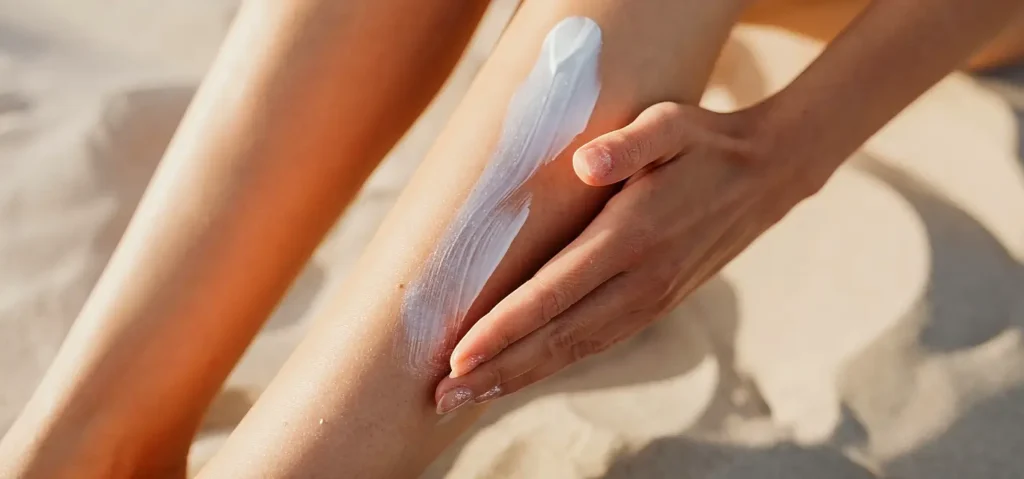
Reef-safe sunscreen deserves a mention too, both for skin protection and for the health of the coastline’s fragile ecosystems. Reapply more often than the bottle suggests, especially after swimming, since sweat and saltwater both cut effectiveness faster than manufacturers assume.
And if you’re bringing pets along for the actual dog days, remember that hot sand burns paw pads well before it feels uncomfortable to human feet. A quick barefoot test before letting your dog run free saves a miserable vet visit later.
The Bottom Line
The dog days of summer earned their reputation honestly, but they don’t have to ruin a Carolina coast trip. Time your beach visits around the heat instead of fighting it, pick towns with real shade when the sand gets unbearable, and build your schedule around the festivals and events already working around the same heat you are. Beat the clock, not the temperature, and August might just become your favorite month on the coast.

Frequently Asked Questions
What time of day is best for the beach in August? Before 10 a.m. and after 5 p.m. offer the coolest, most comfortable windows, avoiding the midday peak when heat index numbers climb highest.
Which Carolina beaches stay cooler in the summer? Wrightsville Beach, Folly Beach, and Emerald Isle all benefit from steady coastal breezes that help offset peak summer heat compared to more exposed stretches of coastline.
Are there indoor or shaded options if the heat gets too intense? Yes. Historic downtown areas like Beaufort, NC, Southport, and Georgetown all offer shaded streets and air-conditioned shops and restaurants for a break from direct sun.
What events are happening on the Carolina coast in August? The OBX Watermelon Festival (August 6, Nags Head), the Craftsmen’s Summer Classic (July 31–August 2, Myrtle Beach), Brookgreen Gardens’ Summer Light: Art by Night (through August 22), and the Myrtle Beach World Amateur Championship (starting August 29) all fall within the month.
Is it safe to bring dogs to the beach during peak summer heat? Yes, with precautions. Test the sand temperature with your own hand or bare foot before letting dogs walk on it, since hot sand can burn paw pads well before it feels uncomfortable to humans.
For more Carolina vacation area guides and Carolina coastal travel inspiration, keep exploring explorecarolinabeaches.com
Planning a Carolina beach trip? Use our Beach Finder Quiz to get a personalized recommendation, or compare any two beaches side by side with the Carolina Beach Comparison Tool.
📱 Download our free Carolina Beaches app — Get it here