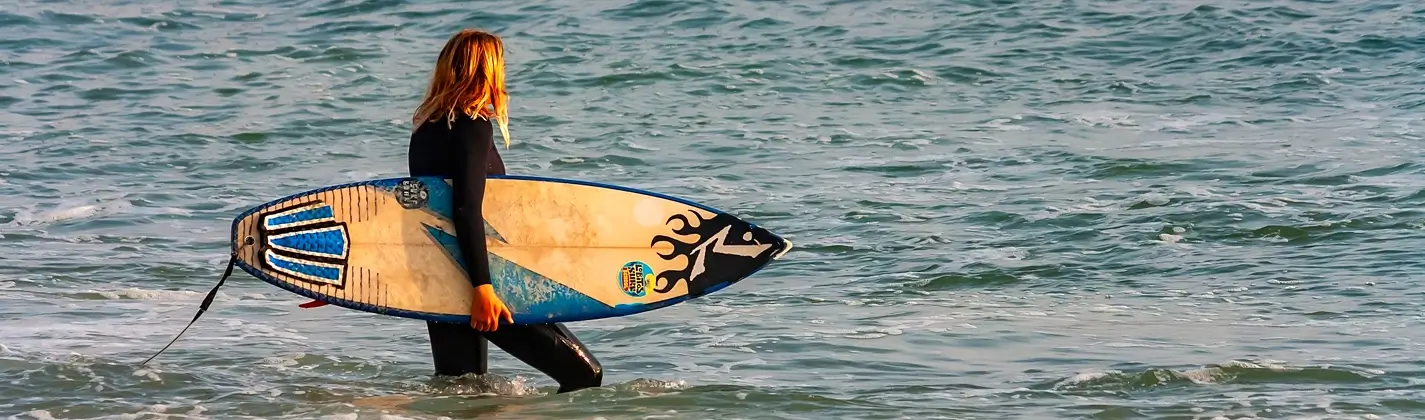
The Carolina coast does not brag about its surf. That is part of the charm. There are no towering reef breaks here, and no surf industry circus either. Instead, you get sandy beach breaks, warm fall water, and lineups where locals still wave you into a wave. From the Outer Banks to Folly Beach, this coast rewards surfers who know where to look and when to show up.
Fall Is the Season
First, timing matters more than talent here. Fall is prime time for Carolina surf. September through November brings the year’s most consistent swells, and the water often stays in the 70s into early October. Summer crowds thin out after Labor Day, so the lineups breathe again. Meanwhile, hurricane swells and early nor’easters send organized waves up the coast.
Summer still works, especially for beginners. The waves run smaller then, and the water stays warm. Winter flips the script completely. The swell gets heavier and more reliable, but the water turns cold and the crowds vanish. A 3/2mm wetsuit covers most of late fall, while midwinter calls for thicker rubber. In short, fall gives you the best trade of all: good waves, warm water, and room to move.
The Outer Banks: The Coast’s Surf Capital
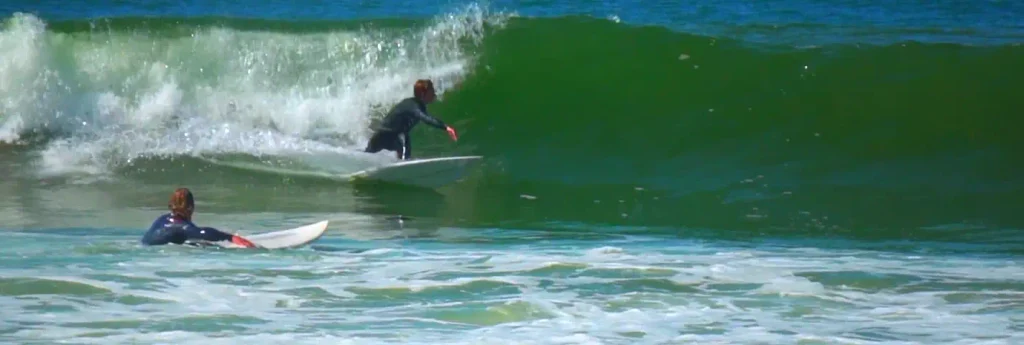
If the Carolina coast has a surf capital, it is the Outer Banks. The barrier islands stick farther into the Atlantic than anywhere else on the coast, so they catch swell other beaches miss. Cape Hatteras earns its nickname as a wave magnet for good reason. The coastline bends at Cape Point, which opens a huge swell window in nearly every direction.
Beginners should start north. Nags Head and Kitty Hawk offer gentle, consistent waves that forgive wobbly pop-ups. Kitty Hawk Pier peaks in September and October, when hurricane swells arrive with water still in the 70s. Rodanthe Pier suits intermediates ready for something steeper. Farther south, Hatteras Island turns serious. S-Turns and the beaches near the Cape Hatteras Lighthouse serve powerful waves that belong to experienced surfers, especially during hurricane season.
One more Outer Banks truth: the surf here runs on windows, not seasons. A hurricane swell may give you two to four great days, then go flat. A nor’easter often cleans up behind the front, with offshore winds grooming the waves for a day or two. Check the forecast daily, stay flexible, and be ready to drive. The best session of your trip might be thirty miles from where you slept.
Wrightsville Beach: The Surf Town
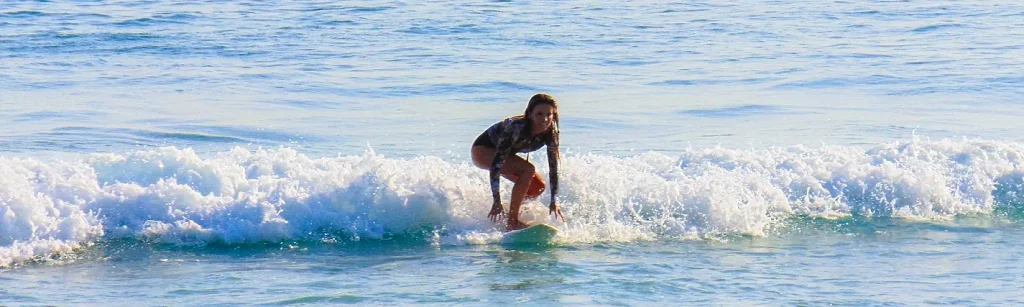
Wrightsville Beach is often called the birthplace of surfing in North Carolina, and surf publications have long ranked it among the East Coast’s best surf towns. The island faces east, catches southeast swells well, and serves waves over a sandy bottom. That sandy bottom matters. It keeps wipeouts friendly, which is why Wrightsville works so well for beginners and longboarders.
C Street is the hotbed. Local surfers gather there first, so arrive early if you want space. Crystal Pier, also called Oceanic Pier, offers gently rolling waves that suit newer shortboarders. At the south end, Masonboro Inlet’s jetty can peel off long right-handers on the right tide and southerly swell. Masonboro Island sits just across the inlet, and its north end near the jetty is worth the trip when the crowds build.
One rule deserves attention. During summer, the town sets surfing zones and restricted areas near the piers, so check the town’s current rules before you paddle out. Early mornings dodge both the crowds and the confusion. Parking is free before 9 a.m. at some accesses, and the beach belongs to the dawn patrol.
Folly Beach: The Washout and Beyond
Folly Beach is the surf capital of South Carolina, and the Washout is why. This stretch of jettied beach break on East Ashley Avenue serves the most consistent waves on the South Carolina coast. Hurricane Hugo shaped it. The storm wiped out a block of beachfront homes there, and the open gap lets wind roll across the beach and through the marsh in a way that grooms the waves. On a northeast swell or a hurricane swell, the Washout can break with real power.
That power comes with a warning. The Washout is not a beginner spot. Jetty rocks, debris, and strong currents punish careless positioning on bigger days. Beginners do better at 10th Street East, which runs smaller and quieter, or along the pier on a small day. Folly Beach Pier breaks on both sides and runs a little longer and farther out than the Washout. September through November is primetime here, when the summer crowds fade and the fall swells arrive.
Folly’s local scene runs deep, so show respect, wait your turn, and do not paddle straight to the best peak on your first visit. It also rewards early risers, since light winds at dawn keep the waves clean.
The Crystal Coast and the Grand Strand
South of the Outer Banks, the Crystal Coast keeps a lower profile. Surf concentrates around the piers at Atlantic Beach and Emerald Isle, and on a big south swell the waves can crank.
The Grand Strand sits at the mellower end of the coast’s surf. Myrtle Beach holds waves, yet it cannot match Folly or the Outer Banks for consistency. That makes the Strand a fine place for a first lesson, where the stakes stay low. If you are chasing a bucket-list wave, drive north or south.
Learning, Etiquette, and Staying Safe
Never surfed before? Start with a lesson. Local shops up and down the coast offer rentals and lessons for every age and skill level, and a two-hour lesson teaches more than a week of guessing. A foam longboard is the right tool for day one. It floats better, catches waves earlier, and forgives mistakes.
Etiquette keeps you welcome. The surfer closest to the peak has the wave, so do not drop in on someone else’s ride. Wait your turn in a crowded lineup, and paddle wide around the break instead of through it. Watch the locals before you paddle out. Their positioning shows where the waves break and where the current runs.
Safety comes first, always. Rip currents humble even strong swimmers on this coast, and the Outer Banks deserves special respect. Swim and surf near lifeguards when they are on duty. If a rip catches you, do not fight it. Stay calm, swim parallel to shore until you are free, then ride the waves back in. Check the surf forecast and the rip current risk before every session, since conditions change with the tide.
The Local’s Take
Here is the honest version. The Carolina coast will not give you Hawaii, and it will not give you California either. It gives you something better for a certain kind of surfer: uncrowded fall mornings, warm water into October, and waves that reward local knowledge. Plan your trip around September and October, keep your schedule loose, and chase the swell instead of the calendar. The coast will take care of the rest.
FAQs
When is the best time to surf the Carolina coast?
Fall, from September through November, brings the most consistent swells and warm water. Summer offers smaller waves that suit beginners. Winter brings heavier surf for experienced riders with a wetsuit.
Where should a beginner surf?
Nags Head and Kitty Hawk on the Outer Banks, Wrightsville Beach, and the quieter stretches of Folly Beach such as 10th Street East are all beginner friendly. Start with a lesson and a foam longboard.
Is the Washout at Folly Beach good for beginners?
No. The Washout is the most consistent break in South Carolina, but it breaks with power and has jetty rocks and strong currents. Beginners should try 10th Street East or the pier area on a small day instead.
Do I need a wetsuit in the fall?
Usually not in early fall, when the water often stays in the 70s. By late fall, a 3/2mm wetsuit is the standard choice, and midwinter calls for thicker rubber.
Can I rent a board and take a lesson?
Yes. Surf shops along the coast offer rentals and lessons for all ages and levels. Book a lesson for your first day, since it speeds up everything after it.
Where do I check the surf forecast?
Surfline and other surf forecast sites cover every major break on this coast, with wave height, swell direction, wind, and tide. Check the forecast and the rip current risk before you paddle out.
Which spot is best if I only have one day?
Pick by season. In fall, head for the Outer Banks or the Washout. In summer, Wrightsville Beach gives you the most reliable fun. Either way, get there at dawn for the cleanest waves and the smallest crowd.
For more Carolina vacation area guides and Carolina coastal travel inspiration, dive deeper into explorecarolinabeaches.com and our Festival Guides.
Planning a Carolina beach trip? Use our Beach Finder Quiz to get a personalized recommendation, or compare any two beaches side by side with the Carolina Beach Comparison Tool.
📱 Download our free Carolina Beaches app — Get it here