
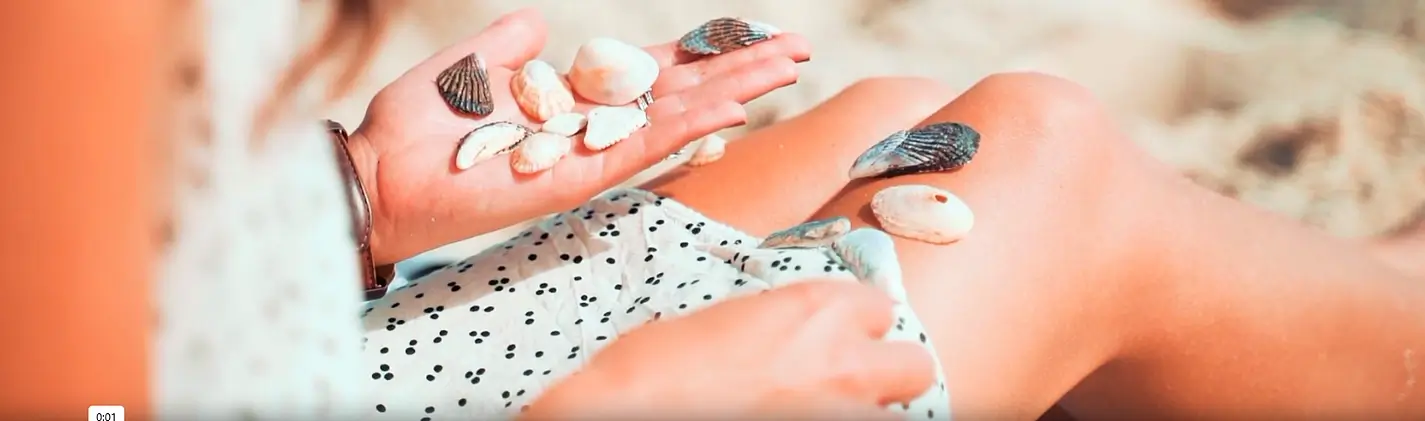
Summer hands the beach to everyone. Fall hands it back to the patient. Walkers thin out, parking gets easier, and waves keep dropping gifts on the sand. Fall beachcombing feels like a treasure hunt without a map. One cold front can stir the surf. One low tide can open a fresh shell line.
Here is the local’s take: Skip the midday stroll. Walk early, walk at low tide, and walk after a blow. That simple plan beats any fancy gear.
Affiliate Disclosure: This page contains affiliate links. If you book through them, we may earn a small commission at no extra cost to you.

Why Fall Wins for Shell Hunters
First, fall brings fewer feet on the sand. Summer crowds pick the easy shells first. Fall walkers find what summer missed, plus fresh arrivals from autumn swells.
Second, fall brings better light and cooler air. You can walk farther without wilting. Slow scanning finds small prizes, like olive shells and tiny coquinas.
Third, fall rewards repeat visits. One beach can look empty on Monday and rich on Wednesday. Tides shift, wind shifts, and shell lines move with both.
What most visitors don’t know: The best shell often hides in plain sight. Look for a small curve, a flash of pink, or a spiral edge. Then crouch down. Good beachcombing happens at knee height, not at full stride.
How to Read a Beach Like a Local
Start with the tide chart for your town. Low tide exposes more sand and more shell beds. Early morning gives you first pick before other walkers arrive.
Next, walk the wrack line, the dark ribbon of seaweed near the high tide mark. Shells collect there like coins in a gutter. Walk it slowly, then walk it back. Light changes the view, and a missed shell can glow on the return trip.
After a storm, wait for safe conditions, then walk again. The National Park Service gives the same advice for Cape Lookout. Try early morning, low tide, after a storm, or in a quiet month. Fall checks all four boxes at once.

Cape Lookout and Shackleford Banks: The Big Prize
For serious shellers, start at Cape Lookout National Seashore. This wild stretch sits off the Crystal Coast, and you reach it only by boat. Ferries run from Harkers Island and Beaufort, so check the current schedule before you go. Fall schedules can differ from summer.
At Cape Lookout, the Park Service allows five gallons of empty shells per person, per day, for non-commercial use. Take only empty shells. If a mollusk still lives in its shell or another animal has moved in, leave that shell on the beach.
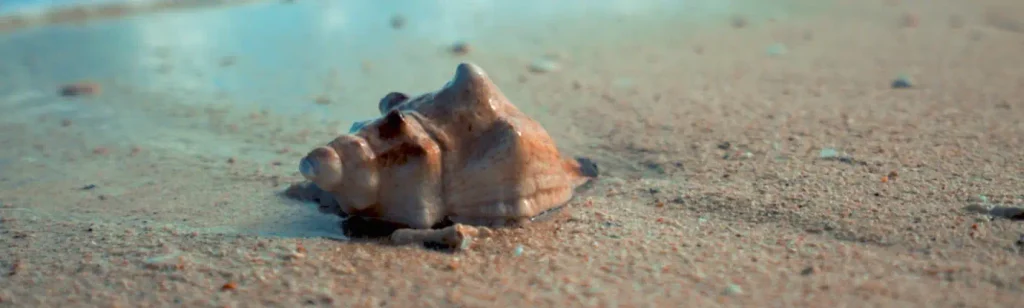
Look for knobbed whelks, bay scallops, and Scotch bonnets here. North Carolina named the Scotch bonnet the official state shell in 1965. It shows small orange squares on a creamy shell, like a tiny plaid cap.
Shackleford Banks, also part of the seashore, adds wild horses to the same shell hunt. Keep your distance from the horses. Watch the sand for scallops, whelks, and shark eyes. Bring water, because this island offers no shops.
Outer Banks: Hatteras and Ocracoke
Head north to Cape Hatteras National Seashore for long, quiet shell walks. This seashore stretches across Bodie, Hatteras, and Ocracoke Islands. Ocracoke earns special praise from shellers for its steady finds.
Walk Cape Point near Buxton at low tide. Walk the Ocracoke beach early, before day trippers arrive. Look for whelks, scallops, clams, sand dollars, and the rare Scotch bonnet. Check each shell carefully. A hermit crab may already call it home, and that crab keeps the shell.
What most visitors don’t know: Broken shells still count as treasure. A perfect whelk draws the eye, but a smooth, wave-worn fragment can make a better craft piece. Collect color, shape, and texture, not just perfection.
Pack a mesh bag for this stretch. Mesh drains sand and water as you walk. It also keeps your haul light.
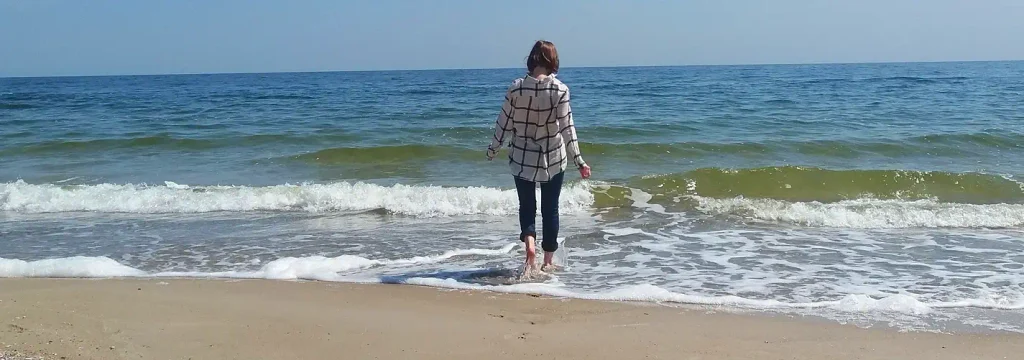
Grand Strand: Easy Walks, Surprising Finds
The Grand Strand will not match Cape Lookout for rare shells. It still rewards a patient fall walker, though, and it offers the easiest shelling trip on the coast.
Walk town beaches in Myrtle Beach and North Myrtle Beach at low tide. Look along the waterline for coquinas, small clams, and olive shells. After a nor’easter, check the shell lines again. New material often appears overnight.
Use Myrtle Beach as a base for a multi-beach weekend. Travelocity can bundle flights and a rental car in one booking. For a simple stay, try the Red Roof Inn Myrtle Beach Hotel – Market Common. It sits at 2801 S Kings Hwy, close to the beach and the Market Common area.
Lowcountry: Folly Beach and Morris Island
Finish south at Folly Beach, near Charleston. Walk the north end, near the Morris Island Lighthouse, at low tide. Strong currents deposit shells along this stretch, especially after storms.
Look for lightning whelks, knobbed whelks, sand dollars, olive shells, and small shark teeth. Shark teeth hide among dark pebbles, so scan for a glossy black triangle.
What most visitors don’t know: Morris Island itself rewards a boat trip or a careful low-tide walk. Treat it as an adventure, not a quick stop. Bring water, watch the tide, and leave plenty of time to return.
Check local rules before you collect anywhere in South Carolina. Rules can differ by beach, park, and town. At Hunting Island State Park, park rules bar collecting live animals or plants, including sand dollars. When in doubt, photograph the find and leave it where it lies.
Rules That Keep the Beach Healthy
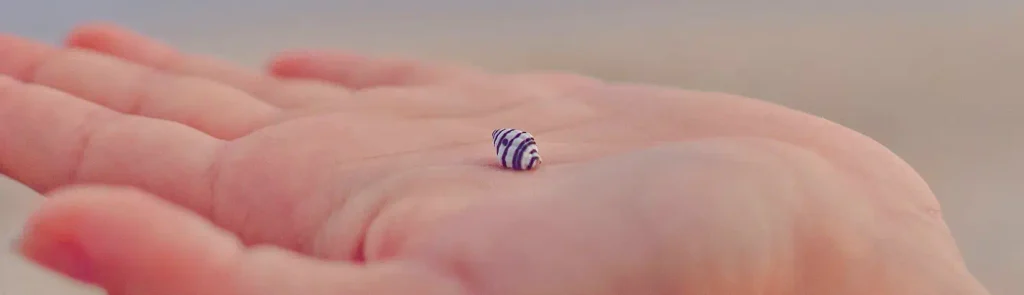
Shell rules sound fussy, but they protect a living shoreline. Take only empty shells. If you see flesh, movement, or a hermit crab inside, put the shell back gently. Live sand dollars look dark, with a velvety coat and tiny moving spines. Dead ones look pale and dry. When you feel unsure, return it to the water.
At Cape Lookout, remember the five gallon limit per person, per day, for non-commercial use. Elsewhere, take a small handful of favorites, not a bucket of everything. A light haul travels better, and it leaves shells for hermit crabs and the next walker.
Never take sea turtle eggs, live starfish, or any protected species. Never dig in dunes or pull sea oats. Those plants hold the dunes together, and the dunes hold the beach together.
Pack light, but pack smart. Bring a mesh bag, a small bucket for fragile finds, sunscreen, water, and a hat. Wear shoes you can wet, because the best shell line often sits at the surf edge.
At home, rinse shells in fresh water and let them dry fully. A clean, dry shell shows its true color without any fuss.
Why Fall Beachcombing Sticks With You
Fall beachcombing strips a beach trip down to its best parts. Hear the surf without a crowd. Smell salt air on an empty beach. Watch the sky change color while you scan the sand.
The Carolina coast in fall rewards people who slow down. Shell hunters get empty beaches, fresh storm lines, and quiet mornings.
So grab a mesh bag, check the tide, and walk one more beach. The Carolina coast saves its best shells for fall, and the tide waits for no one.
Frequently Asked Questions
When is the best time for fall beachcombing on the Carolina coast?
Walk at low tide, early in the morning, and after a storm. Fall adds fewer crowds to that mix, so you often get first pick.
How many shells can I take at Cape Lookout National Seashore?
You can collect up to five gallons of uninhabited shells per person, per day, for non-commercial use. Take only empty shells, and leave any shell with a living animal inside.
Can I take a live sand dollar home?
No. Live sand dollars look dark, with a velvety coat and tiny moving spines. Dead ones look pale and dry. When you feel unsure, return it to the water.
What is a Scotch bonnet, and why does it matter?
The Scotch bonnet is North Carolina’s official state shell, named in 1965. It shows small orange squares on a creamy shell, like a tiny plaid cap. Cape Lookout gives you one of your best chances to find one.
Do I need a ferry for Cape Lookout and Shackleford Banks?
Yes. You reach these barrier islands only by boat. Ferries run from Harkers Island and Beaufort, so check the current schedule before you go.
Is fall shelling good in South Carolina too?
Yes. Folly Beach near Charleston offers strong shelling at its north end. Walk near the Morris Island Lighthouse, at low tide and after storms. Check local rules before you collect, since rules can differ by beach and park.
For more Carolina vacation area guides and Carolina coastal travel inspiration, dive deeper into explorecarolinabeaches.com and our Festival Guides.

Planning a Carolina beach trip? Use our Beach Finder Quiz to get a personalized recommendation, or compare any two beaches side by side with the Carolina Beach Comparison Tool.
📱 Download our free Carolina Beaches app — Get it here