
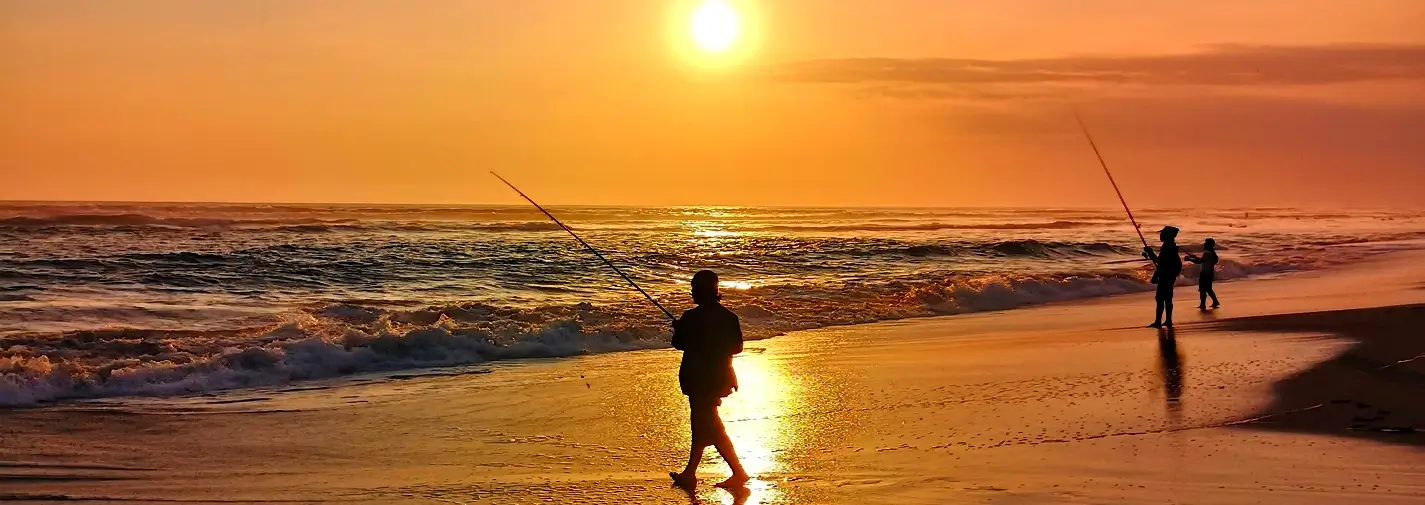
Summer crowds leave. Fall fish arrive. That simple trade makes autumn the best surf fishing season on the Carolina coast. Beaches open up. Parking gets easy. Cooler air makes long mornings on the sand feel good again.
Here is the local’s take: October and November reward patience. Migrating fish move along the beach. Baitfish gather in the surf. Predators follow close behind. You do not need a boat. You need a rod, fresh bait, and a plan.
Affiliate Disclosure: This page contains affiliate links. If you book through them, we may earn a small commission at no extra cost to you.
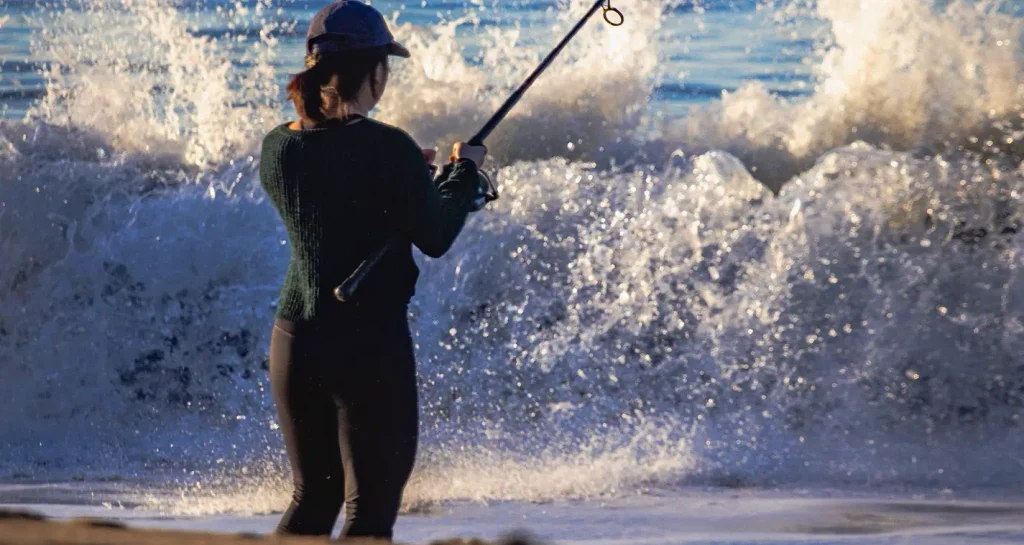
Why Fall Wins for Surf Fishing
First, fall brings movement. Red drum travel south along the Outer Banks. Bluefish chase bait through the breakers. Spot and sea mullet fill the nearshore troughs.
Second, fall brings space. Summer swimmers thin out. You can spread out rods without dodging beach umbrellas. Early mornings feel quiet, and late afternoons glow gold.
Third, fall brings comfort. You still get warm days. Nights turn crisp, though, so pack a jacket. Bring coffee and layers for the wind off the water.
What Is Biting in Fall
Red Drum leads the fall parade. Locals call small ones puppy drum. Big bull reds also push through in late fall. Fresh-cut mullet ranks as the classic drum bait. Bunker, also called menhaden, works well as a backup.
Spot and sea mullet offer steady action. Both hit shrimp on a simple two-hook bottom rig. Kids love this fishing. Adults love it too, because a cooler fills fast on a good day.
Bluefish bring chaos in the best way. They strike hard and fight fast. Metal lures work well when blues blitz bait near shore. Watch your fingers, because bluefish teeth mean business.
Speckled trout show up near inlets and sound-side edges. Soft plastics and live shrimp both tempt them.
What most visitors don’t know: fall fishing changes by the week. One cold front can switch the bite on. One northeast blow can muddy the surf and shut it down. Check local tackle shop reports before you drive to the beach.
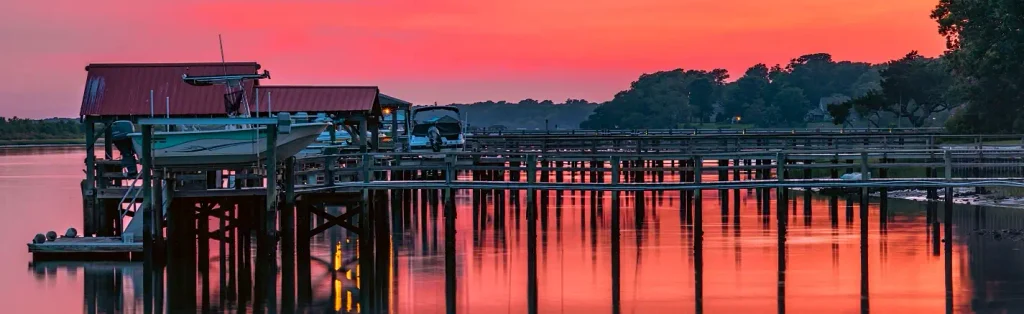
Where to Fish in North Carolina
Start at Cape Point near Buxton. This famous point sits where currents meet off Cape Hatteras. Drum anglers gather here in late fall.
Next, try Oregon Inlet. The drum moves out of the inlet and turns south along Hatteras Island‘s beaches. Fish the surf near the inlet on a moving tide. Watch for strong currents, and give other anglers room.
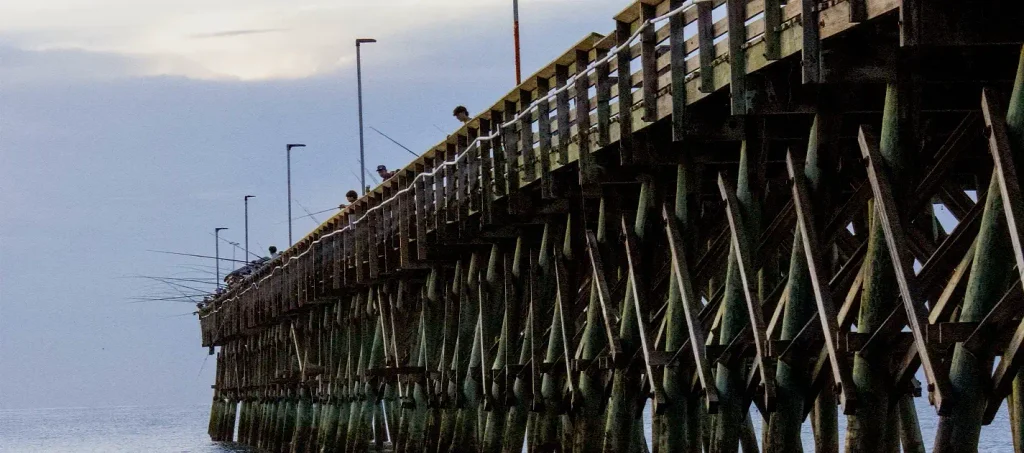
Nags Head piers offer an easy fall option. Jennette’s Pier in Nags Head gives you deep water without a long walk. Pier fishing suits families, beginners, and anyone without four-wheel drive.
Where to Fish in South Carolina
Head to Huntington Beach State Park near Murrells Inlet. The park offers three miles of beach. Cast into the surf at dawn, then walk the marsh boardwalk later. Birders love this park, and anglers love its quiet mornings.
Folly Beach near Charleston gives you classic Lowcountry surf. Fish the county park end for more space. Watch the tide, because falling water often pulls bait and fish along the beach.
Gear and Bait That Actually Work
You do not need fancy gear to start. A 10-foot surf rod suits most fall fishing. Go longer for the big drum in heavy current. Go shorter for pompano and sea mullet close to shore.
Use a simple bottom rig for spot, croaker, and sea mullet. Add a pyramid sinker heavy enough to hold bottom. Match sinker weight to surf strength, not to habit.
Use a longer leader and a circle hook for drum. Fresh cut mullet stays the top drum bait. Fresh shrimp works for smaller species. Sand fleas, when you can dig them, tempt pompano well.
Bring pliers, a measuring tape, a bucket, and a headlamp for dawn and dusk sessions.
Here is the insider tip: buy bait the morning you fish. Ask the shop what bit yesterday, not last month. Tackle shops hear daily reports from regulars. That local update beats any old fishing forecast.
Rules You Must Check Before You Keep a Fish
Rules differ by state, so never assume one state’s rules apply in the other. Check the current official tables before your trip. Regulations change, and old blog posts go stale fast.
In North Carolina, the Division of Marine Fisheries lists red drum at 18 to 27 inches. The limit is one per person per day. Spot and croaker each carry a 50-fish daily limit in that same table.
In South Carolina, new red drum rules took effect July 1, 2026. Anglers may keep one red drum per person per day, with a two-fish boat limit. The keeper slot runs 18 to 25 inches. When you use natural bait with a hook size 4/0 or larger for gamefish, South Carolina requires a circle hook. It must be non-offset and non-stainless.
Flounder rules deserve special care in North Carolina. They change by proclamation, so check the current Division of Marine Fisheries notice before you keep a flounder. When in doubt, release the fish and enjoy the catch anyway.
Both states require a saltwater recreational fishing license for most adult anglers. Buy it before you cast. Keep it on your phone or in your tackle bag.
Also, beach driving needs care on the Outer Banks. Cape Hatteras National Seashore requires a separate off-road vehicle permit for beach driving. Check National Park Service rules before you air down your tires.
Reading the Beach Like a Local
Look for structure before you cast. Fish gather in sloughs, deeper cuts between sandbars, and near inlet mouths and pier pilings.
Fish the tides, not just the clock. Moving water carries scent and bait. Try the last hours of the incoming tide, then the first hour of the outgoing tide.
Wind matters more than most beginners expect. A hard northeast wind builds surf and piles weed on lines. On those days, try the sound side or a sheltered inlet beach instead. A light southwest wind often cleans up Outer Banks surf.
Stay safe in fall surf. Rip currents still form on calm-looking days, so never turn your back on the ocean.
Plan the Trip and Where to Stay
Fall surf trips fit a long weekend perfectly. Drive down Friday, fish Saturday dawn, and fish Sunday morning before you head home.
Flying in? Travelocity can bundle flights and a rental car in one booking. That simple step saves time for fishing. Book early for fall weekends, because drum season draws serious anglers.
Need a budget backup plan? A Red Roof Inn in the Myrtle Beach area gives you a clean, simple base near the Grand Strand. Dry off after a windy session, regroup, and hit the beach again at dawn.
Why Fall Surf Fishing Sticks With You
Fall surf fishing strips a beach trip down to its best parts. Hear waves break in the dark. Watch sunrise paint the surf pink. Feel a rod bend when a drum takes fresh mullet.
The Carolina coast in fall rewards people who show up early. Anglers get empty beaches, moving fish, and quiet mornings without the summer rush.
So rig up, check the rules, and cast into the trough. The Carolina coast saves its best fishing for fall, and the surf waits for no one.
Frequently Asked Questions
Do I need a fishing license for Carolina coast surf fishing?
Yes, in most cases. Both North and South Carolina require a saltwater recreational fishing license for most adult anglers. Buy it before you cast, and keep proof with you on the beach.
What is the best month for fall surf fishing on the Carolina coast?
October and early November rank as the prime window. Red drum, bluefish, spot, and sea mullet overlap then. Late November still produces puppy drum and trout in many spots.
What bait works best for red drum from the surf?
Fresh cut mullet ranks first for most drum anglers. Bunker also works well. Use fresh bait when you can, because drum often ignore old, soft bait.
Can I keep a red drum I catch in South Carolina?
Yes, within the current rules. Since July 1, 2026, South Carolina allows one red drum per person per day. The boat limit is two fish, and the slot is 18 to 25 inches. Check the current South Carolina Department of Natural Resources rules before your trip.
Can I keep a red drum I catch in North Carolina?
Yes, within the current rules. North Carolina lists red drum at 18 to 27 inches, with a limit of one per person per day. Measure carefully, because fish outside the slot must go back.
For more Carolina vacation area guides and Carolina coastal travel inspiration, dive deeper into explorecarolinabeaches.com and our Festival Guides.
Planning a Carolina beach trip? Use our Beach Finder Quiz to get a personalized recommendation, or compare any two beaches side by side with the Carolina Beach Comparison Tool.
📱 Download our free Carolina Beaches app — Get it here