
You came to the Grand Strand for the sunshine, the seafood, and a solid excuse to wear flip-flops every day. Nobody told you about the wildlife. Here’s the thing about Myrtle Beach, it sits smack in the middle of a genuinely wild coastal ecosystem, and the locals aren’t just seagulls and ghost crabs. South Carolina shares its coastline with alligators, sharks, snakes, and a rotating cast of creatures that would send most people’s group chat into a spiral. So before your travel buddy sends you a panic-inducing headline, let’s get the real story straight.
Alligators: Yes, They’re Here. No, Don’t Feed Them.
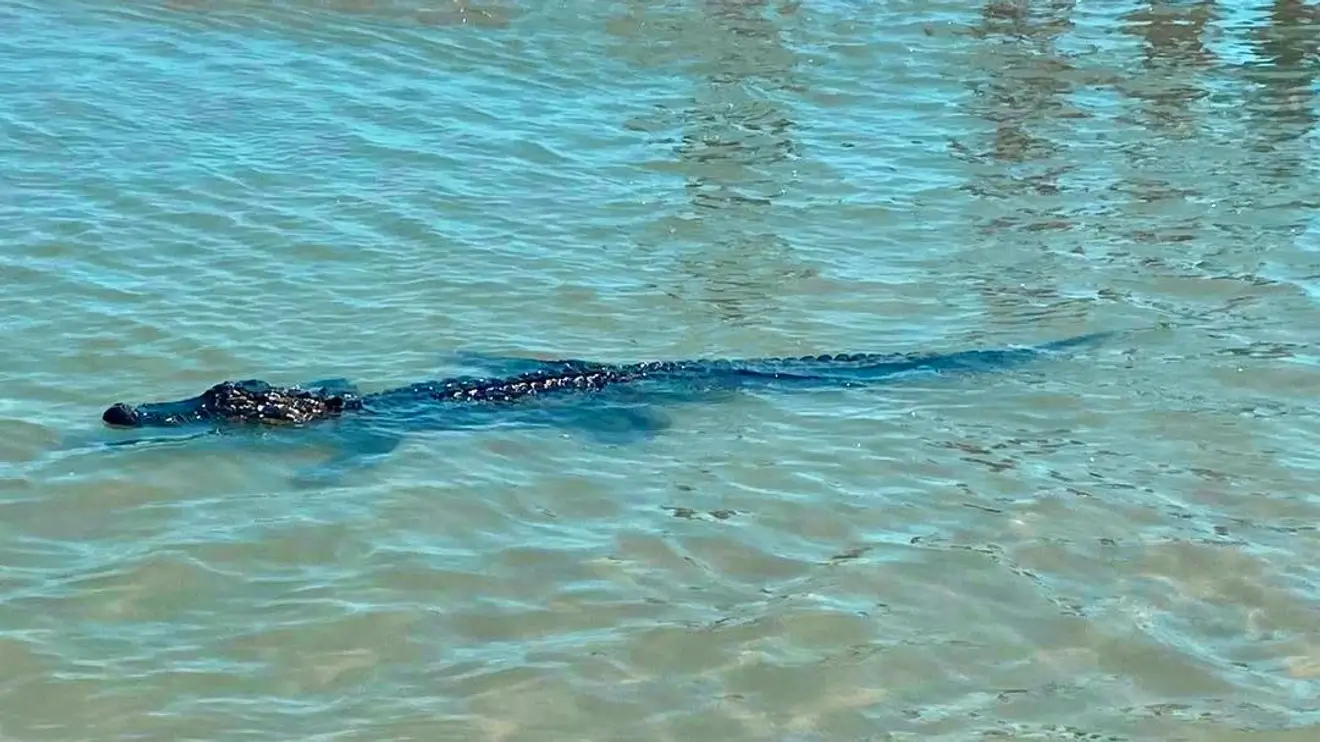
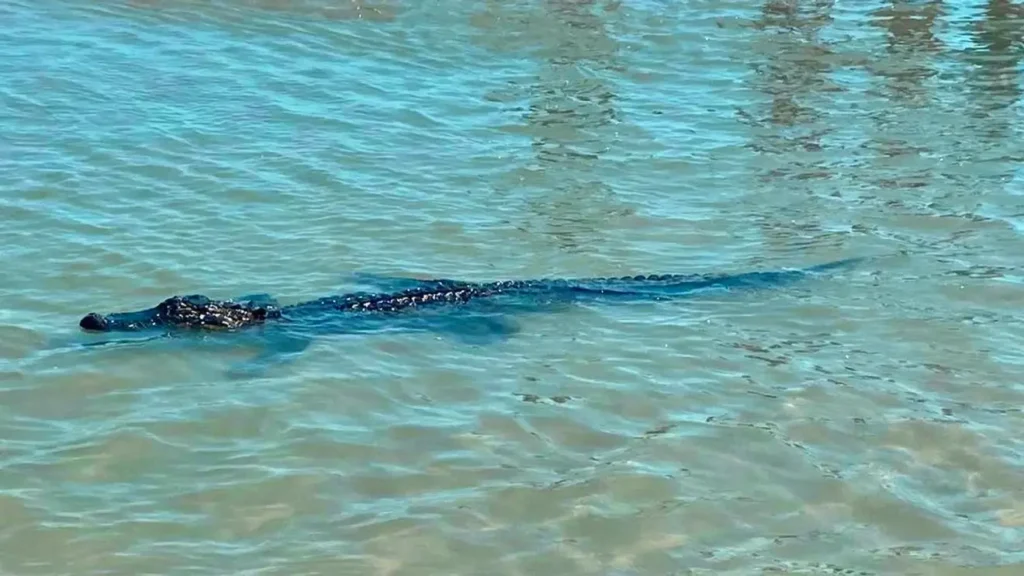
South Carolina is home to an estimated 100,000 American alligators. That number surprises most first-time visitors, and honestly, it should. These prehistoric creatures thrive in the freshwater marshes, retention ponds, golf course water hazards, and wetlands that weave throughout the entire Grand Strand.
Gators typically stick to fresh water. However, they occasionally make headlines by wandering somewhere unexpected. In August 2024, beachgoers at 75th Avenue North watched a gator make its way across the sand and into the surf. Police ultimately captured it near a storm drain. Another gator turned up at Huntington Beach State Park, south of Myrtle Beach near Murrells Inlet, emerging from the water and strolling across the beach in front of a vacationing family.
Wildlife officials explain the behavior: alligators sometimes cross to the ocean when drought conditions dry up their freshwater ponds. They can tolerate saltwater for a few hours but won’t stick around long. Furthermore, the South Carolina Department of Natural Resources notes that beach sightings, while still unusual, happen almost every spring and summer along the Grand Strand.
Here’s the critical rule: never feed an alligator. Feeding one is illegal in South Carolina, and for good reason. Fed alligators lose their natural wariness of humans and become dangerously aggressive. Adult gators also carry a strong homing instinct. Relocating an adult means it will simply cross yards and parking lots to return. If you spot one, give it space and call SCDNR.
Want to see one safely? Head to Alligator Adventure at Barefoot Landing in North Myrtle Beach, a wildlife park dedicated entirely to these remarkable reptiles.
Sharks: Common Sightings, Rare Bites
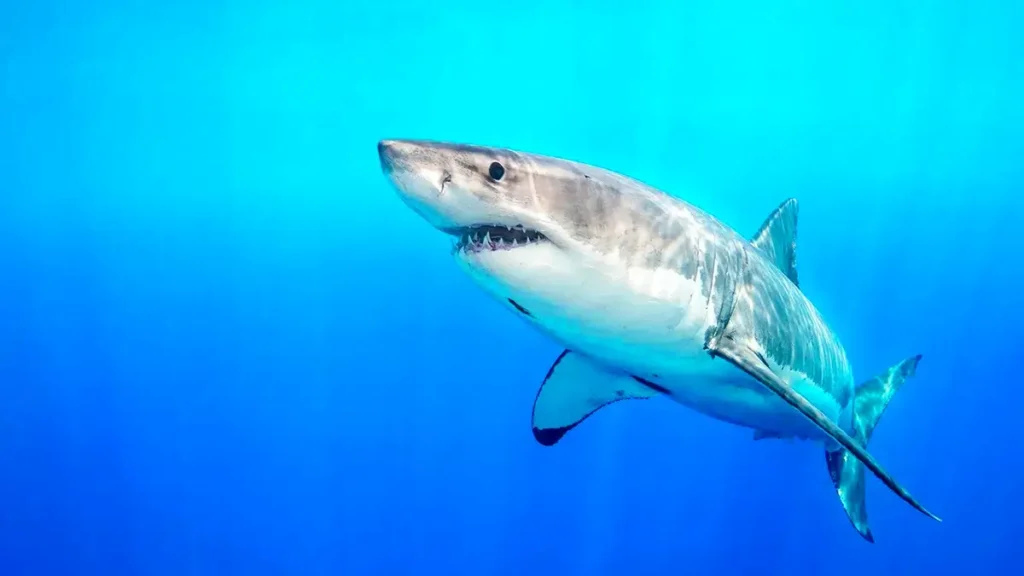
Let’s be clear about something: sharks absolutely swim off Myrtle Beach. Seeing one isn’t rare at all during summer months. Actually having one bite you? That’s a different story entirely.
The most common species cruising near Myrtle Beach shores are blacktip sharks, spinner sharks, and sandbar sharks, all smaller species that primarily target fish, not people. Blacktips are the most frequently spotted, easily identified by their distinctive dark fin tips. Spinner sharks, named for their aerial spinning behavior, appear regularly during their migratory run up the East Coast. Great white sharks do exist off the South Carolina coast, but experts confirm they rarely approach areas where people swim.
The bite numbers tell a reassuring story. Myrtle Beach averages just one to two shark bites per year. The most recent fatal unprovoked shark attack in the area occurred in 1852, yes, over 170 years ago. South Carolina recorded only two non-fatal shark bites in all of 2024. Your odds of being bitten sit at roughly 1 in 11.5 million.
That said, a few smart habits dramatically lower even that tiny risk:
- Avoid swimming near fishing piers. Bait and fish scraps attract sharks consistently.
- Get out of the water at dawn and dusk. Sharks feed most actively during these windows.
- Don’t wear shiny jewelry in the water. It can resemble fish scales to a curious shark.
- Exit the water if you’re bleeding. Sharks detect blood with extraordinary sensitivity.
Sharks have patrolled these waters for millions of years. They’re not hunting you, they’re just going about their day.
Snakes: The Most Misunderstood Residents on the Grand Strand
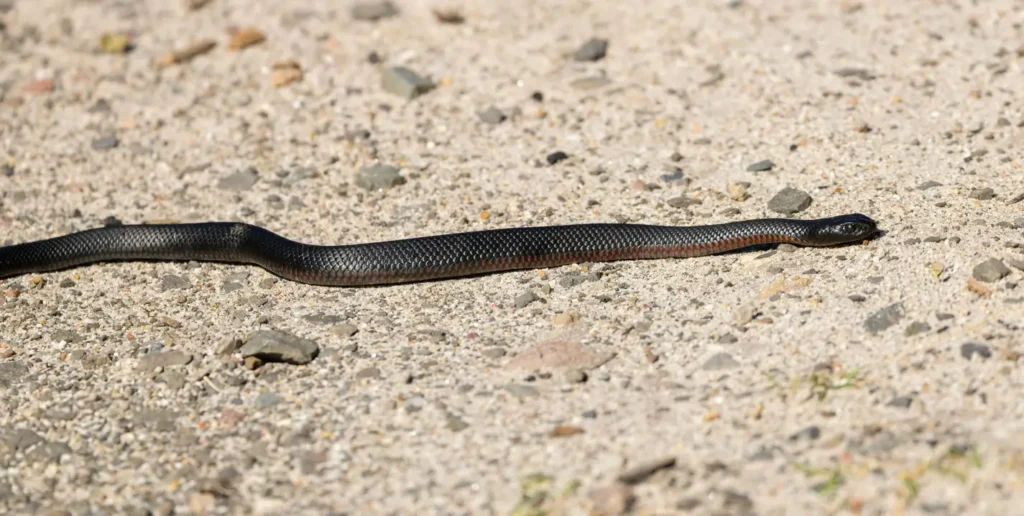
South Carolina hosts 38 species of snakes. Before you close this tab, here’s the reassuring part: only six of those species are venomous. Moreover, the snakes you’re most likely to actually encounter are completely harmless.
The venomous six worth knowing are copperheads, cottonmouths (water moccasins), timber rattlesnakes, Eastern diamondback rattlesnakes, pygmy rattlesnakes, and Eastern coral snakes. Of these, copperheads are the most widespread in South Carolina and the most likely to cross paths with humans, though bites remain rare when people give them space.
On the beach itself, snake sightings are genuinely uncommon. They occasionally turn up after heavy rains wash them from nearby habitats. In July 2022, a visitor at Myrtle Beach State Park came across a venomous canebrake rattlesnake in the surf, a moment that went viral and understandably horrified the internet. Meanwhile, the local who found it noted she’d spent nearly two decades living in Myrtle Beach without anything like it happening before.
Non-venomous corn snakes, garter snakes, and Eastern king snakes are far more common than their dangerous counterparts. In fact, the Eastern king snake earns genuine respect from naturalists: venom doesn’t affect it, and it actively hunts and eats copperheads and cottonmouths.
The universal rule for snakes mirrors the gator advice: leave them alone and they’ll leave you alone. Every snake species in South Carolina, venomous or not, behaves non-aggressively when given space. Never attempt to handle one, most bites happen when people try to pick up or kill snakes.
The Big Picture: Wildlife That Adds to the Adventure
Here’s a perspective shift worth considering. The same ecosystem that produces gator sightings and shark fins also delivers dolphins surfing in the morning waves, loggerhead sea turtles nesting on the beach at night, and pelicans gliding in perfect formation at sunset. Myrtle Beach doesn’t just sit near nature, it genuinely lives inside it.
Wildlife watching along the Carolina coast starts with dolphins, and for good reason: sightings are common, not rare, especially in summer. If wildlife is on your trip checklist, our breakdown of the top 5 dolphin watching beaches on the Carolina coast covers the best months, the best beaches, and what most tourists get wrong about swimming with them.
The wildlife that makes some visitors nervous is the same wildlife that makes this coastline extraordinary. Respect it, understand it, and keep a healthy distance. Do that, and your biggest wildlife encounter will probably be a very bold seagull stealing your fries.
FAQ: Myrtle Beach Wildlife
Does Myrtle Beach have alligators?
Yes. South Carolina is home to around 100,000 American alligators. They mainly live in freshwater marshes and ponds throughout the Grand Strand. Beach sightings happen occasionally, almost every spring and summer, but remain unusual. Give any gator you spot plenty of space and never feed one.
Do sharks come close to shore at Myrtle Beach?
Yes, particularly blacktip, spinner, and sandbar sharks during warmer months. However, actual bites are extremely rare, Myrtle Beach averages just one to two per year, and no fatal attack has occurred in the area since 1852. Avoid swimming near fishing piers and stay out of the water at dawn and dusk to reduce risk further.
Are there venomous snakes at Myrtle Beach?
South Carolina has six venomous snake species, including copperheads, cottonmouths, and rattlesnakes. On the beach itself, snake encounters are genuinely rare. Most snakes you’ll see in the area are harmless. Leave any snake alone and it will do the same for you.
What should I do if I see an alligator on the beach?
Keep your distance, do not approach or feed it, and contact the South Carolina Department of Natural Resources (SCDNR) to report the sighting. Never attempt to handle or provoke it.
Are there crocodiles in South Carolina?
No. South Carolina has no wild crocodile population. American alligators are the only large crocodilian species native to the state.
For more Carolina vacation area guides and Carolina coastal travel inspiration, keep exploring explorecarolinabeaches.com
Planning a Carolina beach trip? Use our Beach Finder Quiz to get a personalized recommendation, or compare any two beaches side by side with the Carolina Beach Comparison Tool.
📱 Download our free Carolina Beaches app — Get it here