
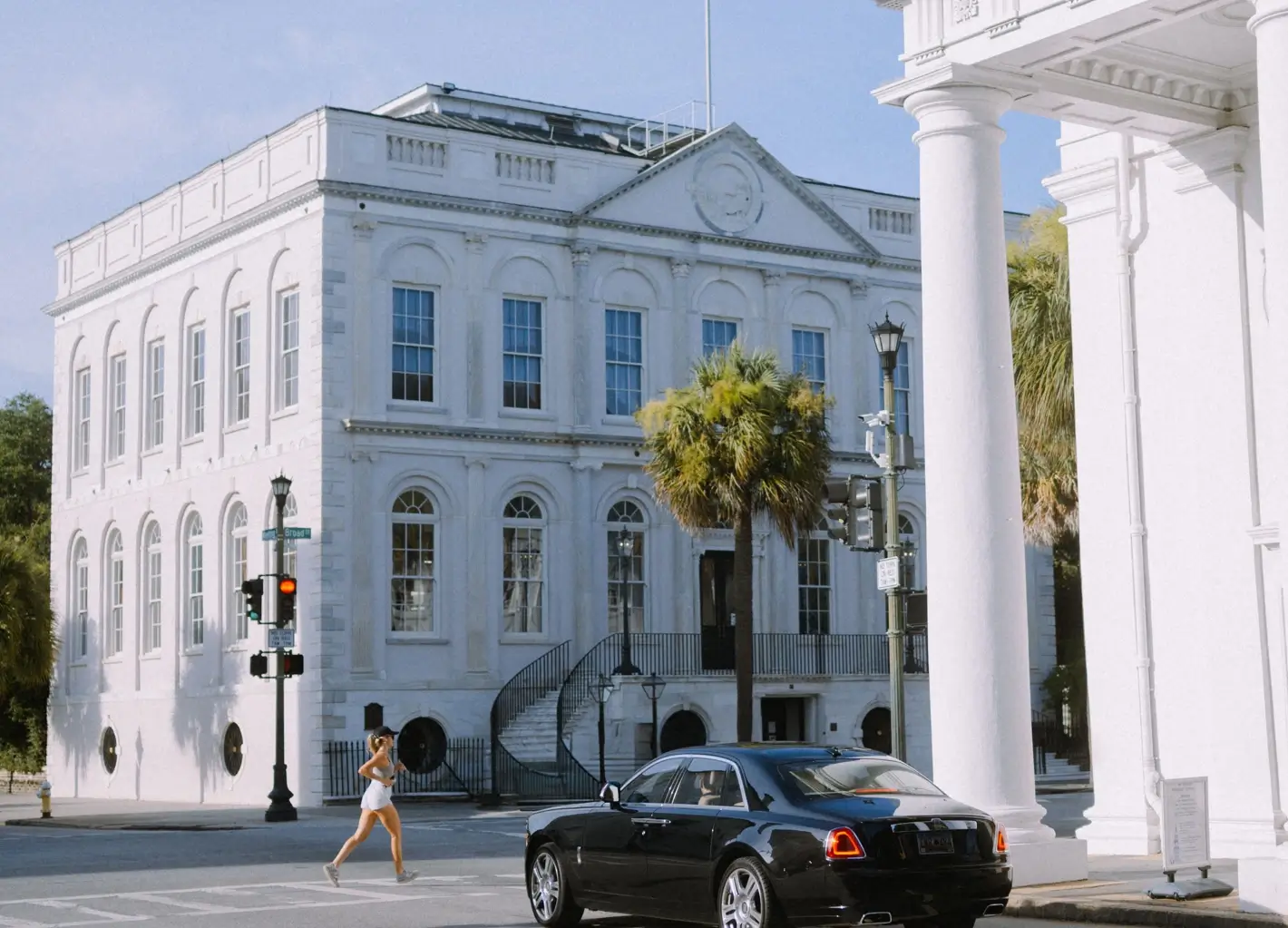
Over 10,000 works. A Tiffany-style dome. One Beaux-Arts building that proves Charleston has always been beautiful on the inside too.
You came to Charleston for the porches and the shrimp and grits. Fair. But somewhere between the Battery and King Street, the city keeps a secret it doesn’t shout about: one of the finest art museums in the American South, tucked into a 1905 Beaux-Arts building at 135 Meeting Street.
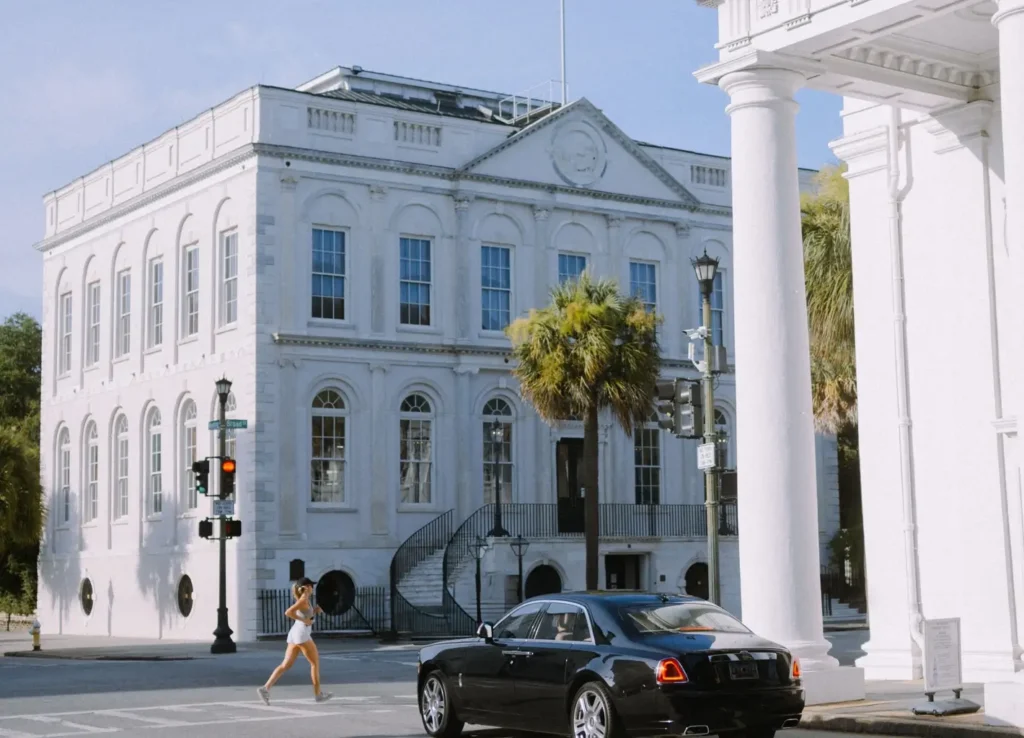
The Gibbes Museum of Art holds more than 10,000 works of fine art, the majority with a direct connection to Charleston or the broader American South. It’s not a sprawling mega-museum, and that’s precisely the point. Two to three hours here feels curated, intimate, and deeply rooted in place. This is the kind of museum that makes you feel like you actually understand a city when you walk back out into the sun.
For anyone spending time on the South Carolina coast in 2026, the Gibbes deserves a half-day. Here’s everything you need to know before you go.
Plan Your Visit: 2026 Essentials
- Address: 135 Meeting Street, Charleston Historic District (between Cumberland & Queen Streets)
- Hours: Mon–Sat 10am–5pm | Sunday 1pm–5pm
- Admission (galleries): Adults $12 | Seniors/Military $10 | College Students $10 | Children 4–17 $6 | Under 4 Free
- Free Entry: The entire first floor is always free. Wednesday evenings 5–8pm: free admission to all floors.
- Bank of America perk: BofA/Merrill cardholders get free general admission the first full weekend of every month.
- Buy tickets in advance: especially on Saturdays and Sundays, at gibbesmuseum.org
- Parking: No on-site parking; use the Queen Street or Cumberland Street decks nearby.
The Building Itself Is Half the Show
Before a single painting catches your eye, the architecture earns its own appreciation. The Gibbes has occupied its Beaux-Arts home on Meeting Street since 1905, and after a meticulous $13.5 million renovation that reopened in 2016, it looks exactly as its original blueprints intended.
The signature moment is the stained-glass rotunda dome above the main staircase. Tiffany-style glass throws warm, jewel-toned light across the entry hall. Most visitors stop dead in their tracks, which is exactly what it’s designed to do.
At the rear of the ground floor, a classical sculpture garden connects to Charleston’s historic Gateway Walk, a meandering pedestrian path maintained by the Garden Club of Charleston. Step outside into the Lenhardt Garden and you’ll understand why Charlestonians treat this block as a neighborhood living room.
Local’s Take:
The ground floor is free and open to everyone, no ticket required. Swing through just for the dome, the garden, and the museum store (which sells work exclusively by regional artists). Your wallet stays closed; your afternoon gets better.
The Collection: 300 Years of Southern Art
The Gibbes’ permanent collection spans from the colonial era straight through to contemporary installations. Paintings, sculptures, works on paper, photography, decorative art, all of it woven around one central thread: Charleston and the American South as both subject and backdrop.
American Miniature Portraits
One of the most underrated collections in American art history lives here. The Gibbes holds one of the country’s most distinguished assemblages of hand-painted portrait miniatures: tiny, meticulous oil paintings on ivory that served as the Instagram of the 18th and 19th centuries. You’ll lean in close and you’ll squint. You’ll be astonished at what a brush barely wider than a hair can accomplish.
The Charleston Renaissance
The early 20th century produced a remarkable wave of local talent. The Gibbes collects them seriously. Alice Ravenel Huger Smith’s luminous watercolor marshscapes, Elizabeth O’Neill Verner’s atmospheric pastels of the city’s street vendors, and Alfred Hutty’s delicate etchings of Lowcountry landscapes anchor this section. These artists didn’t just paint Charleston, they defined how the world sees it.
What Most Visitors Don’t Know:
Alice Ravenel Huger Smith never had formal painting training. She taught herself to paint the Carolina marshes by going out and sitting in them. Her work captures something no art school curriculum could manufacture: the specific, golden quality of Lowcountry afternoon light. Find it. Stand in front of it.
Visiting Artists in Residence
The first floor houses active studio spaces where contemporary artists-in-residence work during museum hours. On any given Tuesday in 2026, you might catch Gibbes Visiting Artist Austin Reynolds mid-collage, building mixed-media pieces that blend photography, painting, and personal history. The work on the easel gets sold through the Ruth and Bill Baker Art Sales Gallery, meaning you can buy something fresh off the studio floor.
What’s On in 2026: Don’t Miss Rodin in Charleston
The Gibbes made a genuinely big swing for 2026. Running through January 2027, Rodin: All the Truth of Nature brings fourteen bronze sculptures by Auguste Rodin to Meeting Street on long-term loan from the Iris and B. Gerald Cantor Foundation.
Fourteen bronzes by the man widely considered the greatest sculptor since Michelangelo, in Charleston. That’s not a sentence you expected to read today. This is legitimately a world-class exhibition in an intimate Lowcountry setting, and it justifies a special trip on its own.
“Rodin is one of the biggest names in the history of art, and the Gibbes Museum of Art is honored to bring fourteen of his bronzes to Charleston for the next year.”
— Dr. H. Alexander Rich, President & CEO, Gibbes Museum of Art
Also on view through May 2026, Revelations: The Art of Leo Twiggs marked the first-ever career retrospective of the 92-year-old South Carolina native, held, fittingly, just 45 miles from his birthplace in Saint Stephen. Over 40 batik works created between 1961 and 2020 made up the show. The Twiggs retrospective has since traveled, but check the museum’s website for its current exhibitions slate, which rotates frequently.
Insider Tip
Free public curator-led tours run every first Wednesday of the month in the evening, and guided tours with Museum Interpreters happen Wednesdays and Fridays at 1pm, included with admission. Skip the audio guide; the human guides here are genuinely excellent.
Planning a longer Charleston trip? Pair the Gibbes with a day at the beach: explore the best beaches near Charleston, from Folly Beach to Sullivan’s Island.
The French Quarter Gallery District: Extend Your Art Day
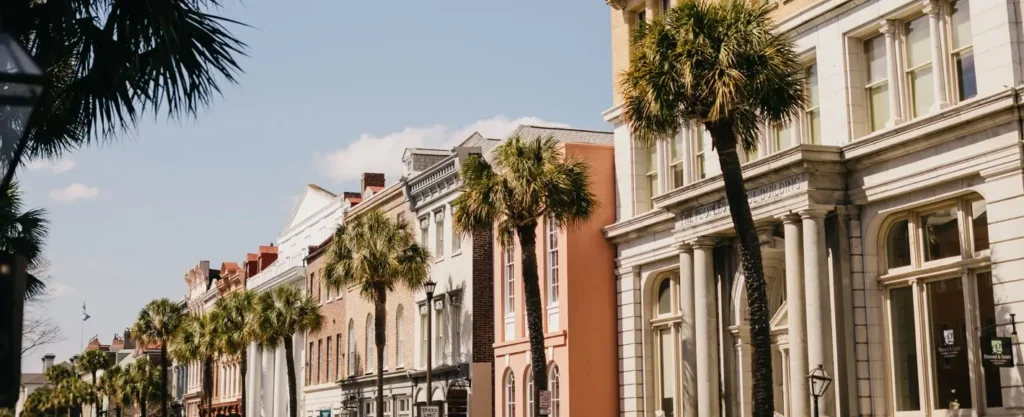
The Gibbes sits in the heart of Charleston’s Historic French Quarter, and the neighborhood rewards anyone willing to keep walking after the museum. This compact gallery district clusters some of the city’s finest commercial galleries within easy strolling distance of each other.
Anglin Smith Fine Art
Colorful, expressive Lowcountry landscapes and contemporary oil paintings by prominent local and regional artists. The palette here leans warm and vivid, think marsh grass at golden hour turned up several notches. A perennial anchor of the Charleston art scene.
Dog & Horse Fine Art
Exactly what it says and completely wonderful. This gallery specializes in high-quality animal portraiture, canine paintings, and sporting art. If you’ve ever wanted a museum-quality portrait of a Labrador above your fireplace, this is your destination. No judgment; great taste.
LePrince Fine Art
A working studio gallery where painters are often at the easel creating vibrant impressionistic landscapes and still lifes while you browse. Buying directly from an artist mid-brushstroke is a profoundly different experience than buying off a white gallery wall, and a quintessentially Charleston one.
French Quarter Tip:
The Charleston Gallery Association hosts a monthly French Quarter Art Walk: a free, self-guided evening event where galleries stay open late with refreshments. Check with individual galleries for the current schedule. It’s one of the most civilized free events in the Lowcountry.
Practical Notes for Getting the Most Out of Your Visit
Arrive early on weekends, the museum recommends buying tickets in advance for Saturday and Sunday entry, and the galleries feel noticeably more peaceful before 11am. Parking decks on Queen Street and Cumberland Street are your best bets; on-street meters are scarce and short on patience.
Budget two to three hours for the full experience. Rushing the miniature portrait collection is technically possible; enjoying it is not. The garden provides a natural midpoint break, coffee nearby on Queen Street before circling back for the upper galleries works beautifully.
The Museum Store is worth treating as a destination. Every product is made by or in collaboration with regional artists, and tax-free purchases directly support the museum’s programming. It beats the standard museum gift shop by a considerable margin.
FAQ: Gibbes Museum of Art, Charleston
Is there any free admission at the Gibbes Museum?
Yes, several ways. The entire first floor (studios, store, garden access, event spaces) is always free. Wednesday evenings from 5–8pm offer free admission to all gallery floors. Bank of America and Merrill cardholders also receive free general admission on the first full weekend of every month through the Museums on Us program.
How long does a visit to the Gibbes typically take?
Most visitors spend two to three hours. That comfortably covers the permanent collection on the second and third floors plus any current special exhibitions. Art lovers who want to linger in the miniature portrait galleries or the Charleston Renaissance rooms should plan closer to three hours.
What is the Gibbes Museum’s most famous collection?
The American miniature portrait collection is nationally recognized as one of the most prestigious of its kind in the country. The museum also holds an exceptional collection of Charleston Renaissance works, early 20th-century paintings by artists like Alice Ravenel Huger Smith, Elizabeth O’Neill Verner, and Alfred Hutty, that are central to understanding Southern art history.
What major exhibitions are on at the Gibbes in 2026?
Rodin: All the Truth of Nature is the marquee 2026 exhibition, running through January 2027. It features fourteen bronze sculptures by Auguste Rodin on long-term loan from the Iris and B. Gerald Cantor Foundation. Always check gibbesmuseum.org for the current exhibitions calendar, as the rotating program changes throughout the year.
Is the Gibbes Museum worth visiting for non-art enthusiasts?
Genuinely, yes. The Beaux-Arts building and its Tiffany-style stained-glass dome are worth the walk-through on their own. The sculpture garden connects to Charleston’s Gateway Walk, one of the city’s most peaceful pedestrian routes. And the first-floor visiting artist studios, where you can watch working artists create, make the experience accessible and engaging well beyond traditional gallery-going.
Are there guided tours available at the Gibbes?
Yes. Free public guided tours with Museum Interpreters run Wednesdays and Fridays at 1pm, included with gallery admission. Curator-led tours highlight works from the permanent collection on the first Wednesday evening of each month. Group tours, including curator-led and director-led options, can be arranged for groups of 10 or more by contacting the museum directly.
For detailed guides, keep exploring explorecarolinabeaches.com
From the Outer Banks to the Lowcountry, the Carolina coast has always understood that the most beautiful things, light on marsh grass, a centuries-old portrait, a bronze by Rodin, are worth slowing down for.
Planning a Carolina beach trip? Use our Beach Finder Quiz to get a personalized recommendation, or compare any two beaches side by side with the Carolina Beach Comparison Tool.
📱 Download our free Carolina Beaches app — Get it here