
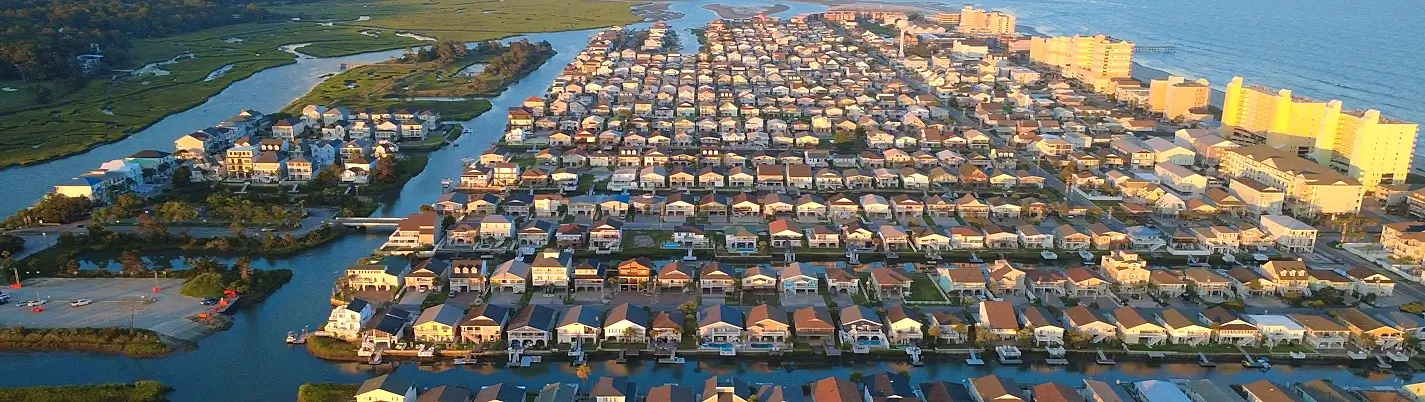
Every year, 14 million people come to Myrtle Beach. They hardly ever see the town where we really reside. By October, the beach they are familiar with disappears, and a more sedate, unfamiliar, and fascinating location emerges. Tourists are outnumbered by golf carts. Locals reclaim their preferred parking spaces. Here, winter is anything but picture-perfect.
We’ve experienced enough Grand Strand summers and Januarys to understand the distinction between life and vacation. As such, this is not a brochure. It’s the truthful version.
Affiliate Disclosure: This page contains affiliate links. If you book through them, we may earn a small commission at no extra cost to you.
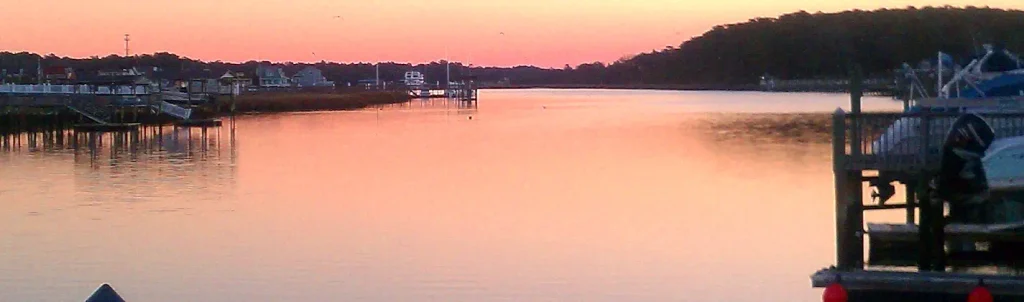
Is Myrtle Beach a Good City to Live In?
In a nutshell, yes, but with significant restrictions. Myrtle Beach boasts legitimately warm winters, a lower-than-average cost of living, and no state income tax on Social Security. However, tourism and hospitality play a major role in the local economy, influencing everything from employment opportunities to traffic patterns.
Residents enjoy something unique: year-round access to beach life without having to make decisions based solely on vacation costs. However, anyone’s patience can be put to the test by Ocean Boulevard’s summer gridlock. Locals quickly become familiar with the back roads, navigating through areas like Withers Preserve to avoid traffic jams on Highway 17 during rush hour.
Most newbies are unaware of how little Myrtle Beach truly seems after they move here. About 38,000 people live there permanently, which is a small portion of the number of visitors on any given July weekend. Beneath the tourism industry, this produces a real small-town rhythm that tourists hardly ever see.
What Is the Nicest Area to Live in Myrtle Beach?
For good reason, the Market Common is frequently at the top of locals’ lists. This walkable neighborhood feels less like a beach town suburb and more like a little downtown with its mix of stores, eateries, and green space surrounding Valor Park. Although the cost of homes here is more than the average for Myrtle Beach, many people find the walkability to be worth it.
Located just south of the main strip, Surfside Beach is a more sedate option with a distinct town identity and a reputation as “The Family Beach.” In the meantime, Carolina Forest, an inland enclave that forgoes seaside vistas in favor of larger lots and more recent development, is frequently the destination for families that prioritize attending top-notch schools.
Despite being a different city, North Myrtle Beach attracts many Myrtle Beach employees who prefer a short commute away from the tourist area. This is the local perspective that most stories overlook. North Myrtle Beach’s Cherry Grove Beach has a notably gentler pace, particularly in September.

How Much Money Do You Need to Live in Myrtle Beach?
Treat these numbers as a range rather than gospel, as they vary based on your source and lifestyle. Although prices vary greatly by neighborhood and season, the average monthly rent for a one-bedroom apartment in 2026 is between $1,300 and $1,600. Depending on housing preferences and lifestyle choices, cost-of-living calculators typically suggest that a single adult needs between $52,000 and $76,000 a year to live comfortably.
Myrtle Beach’s cost of living is generally lower than the national average, mostly because housing costs are about 30% lower than the average for the United States. However, utility costs are higher than usual, especially during the busiest summer months for air conditioning. Additionally, grocery prices are marginally higher than the national average, which surprises transplants who anticipate consistently low living expenses.
While those who commute into jobs in finance, healthcare, or education typically earn more than the local average, the majority of people employed in tourism and hospitality get modest wages. A quick scouting trip is beneficial if you’re looking for a place to live before making a move. You may test out different neighborhoods before signing a lease by comparing short-term stays on Travelocity, and a reasonably priced Red Roof Inn location can be ideal for a longer house-hunting trip without vacation-rate prices.
The Pros and Cons of Living in Myrtle Beach
Let’s begin with the positive. The majority of locals prioritize year-round beach access, really mild winters, and a cheaper cost of living than most coastal locations. With around 90 golf courses spread throughout the larger Grand Strand area, golf access is practically unparalleled here. This is a popular place to retire because there is no state tax on Social Security benefits.
However, the disadvantages should be treated with the same integrity. Daily living is seriously disrupted by traffic during the busiest travel season, particularly along the main coastal corridors. Even though direct hits are still comparatively rare, hurricane season, which runs from June to November, brings true seasonal fear. Additionally, employment opportunities outside of tourism and hospitality may seem scarce, forcing many locals to work remotely or make long commutes.
Most tourists are unaware that Myrtle Beach’s “empty” atmosphere in February is a draw for locals who live there full-time. The roads, restaurants, and beach are truly enjoyed by the locals.
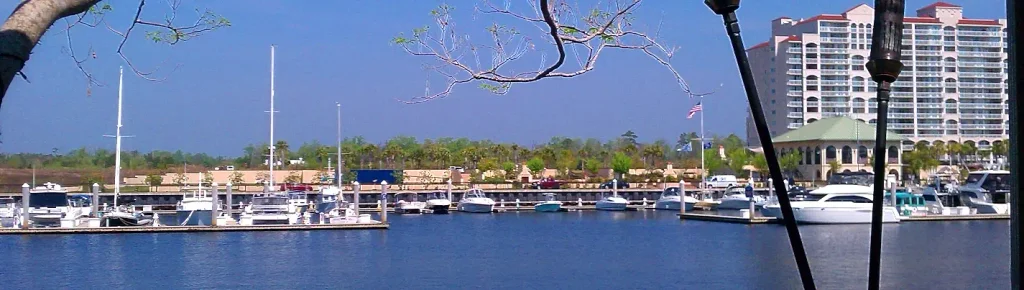
What Are Winters Like in Myrtle Beach, SC?
To be honest, mild. The coldest month, January, usually has daytime highs in the mid-50s and overnight lows in the upper 30s to low 40s. Seldom does snow appear, and when it does, it rarely lasts more than a day.
Nevertheless, it’s not a tropical winter here. For evenings, bring a genuine jacket, especially if you’re close to the water where the Atlantic breeze blows through more quickly than the temperature inland would indicate. Even during the coldest part of the year, outdoor plans remain feasible due to the comparatively little rainfall compared to spring and summer.
Winter is seen by the locals as a time for strolls on the beach, slower mornings at coffee shops, and finally securing a table at well-known restaurants without having to wait. Along this length of shore, it’s possibly the most underappreciated season.
What Is the Prettiest Beach in Myrtle Beach?
Here, opinions actually diverge, and that’s part of the pleasure. Many residents point to the more tranquil northern areas close to Myrtle Beach State Park, where natural dune systems are still intact and urbanization is less prevalent. Others swear by Surfside Beach’s family-friendly, more tranquil shoreline, which is valued for its wider sand and kinder patrons.
The pier itself frames the view without a single high-rise interfering with the horizon, which is why sunrises around Springmaid Pier consistently perform better for photography than any other location in town, according to a local’s insight. For the “prettiest” title around here, timing is more important than location.
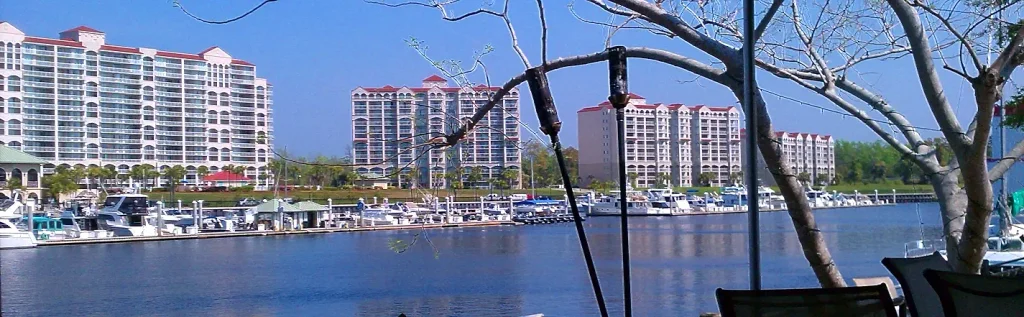
The Bottom Line on Full-Time Coastal Living
Those who desire access to the ocean are rewarded by Myrtle Beach without completely sacrificing cost. The small town is not perfect, and the tourist season requires a lot of patience. However, year after year, waking up within a short distance from the Atlantic alters your definition of what constitutes a decent existence. There aren’t many areas of the Carolina coast that provide that trade-off as effectively.
Frequently Asked Questions
What is the main drawback of Myrtle Beach living?
The most frequent source of annoyance among full-time residents is seasonal traffic congestion during the busiest travel months.
In comparison to other coastal communities, is Myrtle Beach reasonably priced?
In general, yes. Although electricity and groceries can be somewhat more expensive than the norm for the United States, housing prices are far lower than the national average.
Which neighborhood is ideal for families?
While Market Common appeals to those seeking walkability, Carolina Forest typically ranks first among families who prioritize schools and modern housing.
Is Myrtle Beach a suitable retirement community?
Myrtle Beach is a popular destination for retirees because of its mild winters, reduced cost of living, and the fact that South Carolina does not tax Social Security income.
What is Myrtle Beach’s typical rent?
As of 2026, estimates vary by source and season, but a one-bedroom apartment usually costs between $1,300 and $1,600 per month.
Does Myrtle Beach ever have snowfall?
Seldom, and accumulation is rare. Measurable snowfall only occurs once every few years; however, light flurries do occasionally occur in January.
For more Carolina vacation area guides and Carolina coastal travel inspiration, keep exploring explorecarolinabeaches.com

Planning a Carolina beach trip? Use our Beach Finder Quiz to get a personalized recommendation, or compare any two beaches side by side with the Carolina Beach Comparison Tool.