

Ocracoke sits at the southern tip of the Outer Banks like a secret the ferry keeps. Nags Head sprawls farther north with easy road access, bigger crowds, and every convenience under the sun. The question every Carolina coast planner asks is simple: Is that ferry trip worth it?
Short answer? Yes, if you want the version of the Outer Banks that still feels like an island.
Affiliate Disclosure: This page contains affiliate links. If you book through them, we may earn a small commission at no extra cost to you.
Why Ocracoke Feels Different
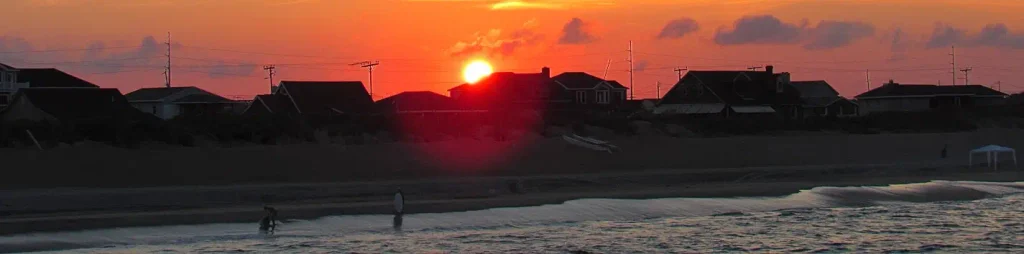
Nags Head offers oceanfront hotels, mini-golf, and restaurants that stay open late. Ocracoke offers sandy streets, a fenced pony pen tucked along the sound side, and a village that still runs on island time.
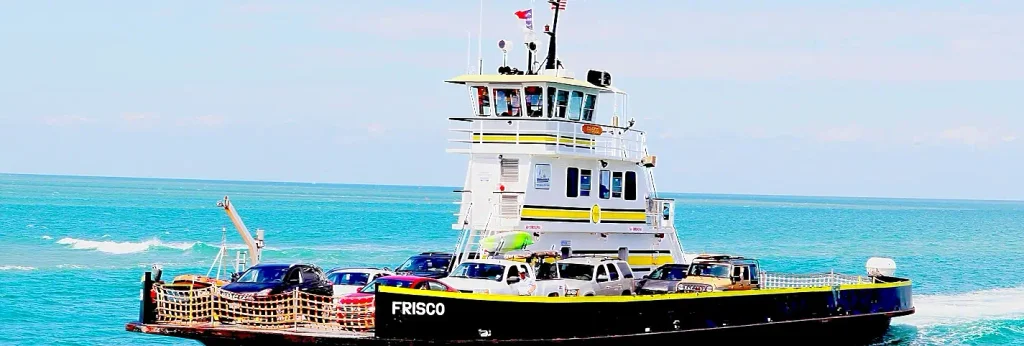
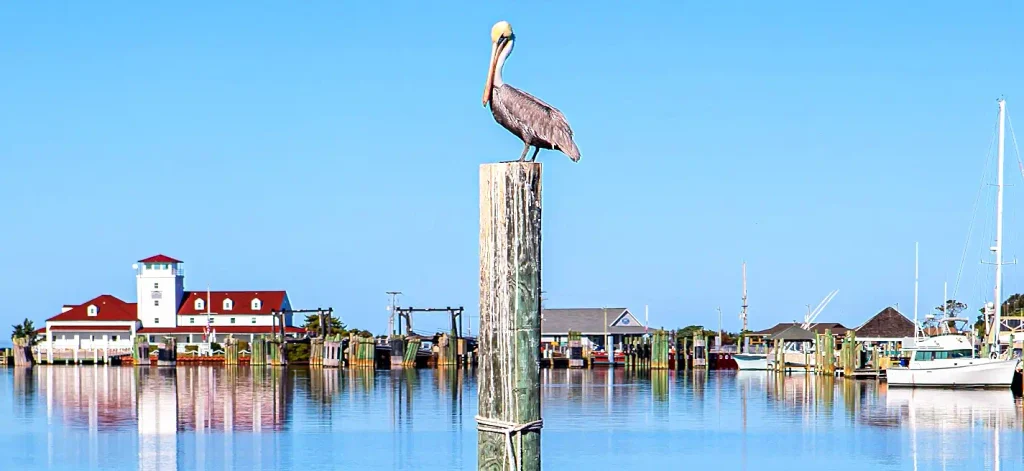
Most visitors don’t realize the ferry itself becomes part of the experience. From Hatteras, the free North Carolina Ferry System run takes about an hour. You drive on, cut the engine, and watch the Pamlico Sound stretch out. Dolphins sometimes escort the boat. Pelicans glide alongside. That ride alone resets your pace.
Local tip:
Arrive early for the first morning ferry if you want the quietest decks and fewer cars. The line at the Hatteras terminal can back up fast in peak season, especially around Labor Day.
Is It Worth Going to Ocracoke Island?
Absolutely, if quiet beaches and zero commercial clutter top your list. Ocracoke’s 16 miles of undeveloped seashore feel wilder than anything around Nags Head. You can walk for an hour and see only footprints and the occasional fishing pier silhouette.
The village itself stays walkable. Silver Lake Harbor hosts the ferries and a handful of shops. Howard’s Pub pours cold beer after a day of beachcombing. The British Cemetery sits tucked away as a quiet reminder of WWII history most day-trippers miss.
What most visitors don’t know:
Ocracoke’s famous ponies aren’t wild like Corolla‘s herd. The National Park Service has kept them behind a fence in a managed pasture since 1959, after highway traffic made free roaming too dangerous. You can still drive right up and view them from a boardwalk a few miles north of the village; just don’t expect to see them wandering the beach.
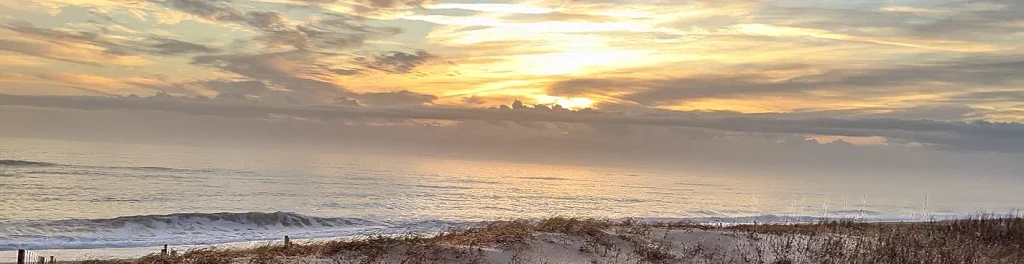
Nags Head delivers reliable amenities. Ocracoke delivers the feeling that you actually left the mainland.
Best Time to Visit Ocracoke Island
Shoulder seasons win. Late April through mid-June and September through mid-October bring warm water, thinner crowds, and open ferry schedules.
Summer works if you accept heat, humidity, and full ferries. Winter turns the island nearly empty, beautiful for solitude, but many restaurants close and ferry runs drop.
Hurricane season runs June through November. Check the National Hurricane Center before locking plans. The island has evacuated more than once in recent decades.
Locals’ take:
September after Labor Day feels like the island exhales. The water stays swimmable into October, and the light turns golden for photography.
What’s the Best Month to Go to the Outer Banks?
May and October rank highest for most people. Water temperatures climb into the 70s by late May. October brings fewer mosquitoes, clearer skies, and lower rates.
July and August deliver the warmest water but also the densest traffic on NC 12 and the longest ferry waits. Spring break weeks and holiday weekends fill Nags Head fast.
Note that conditions vary along the Carolina coast. The Outer Banks catch more northeast wind and swell than the southern South Carolina beaches. Fog can roll in thick over the sound in spring, delaying ferries.
Best Time to Visit Nags Head
Nags Head shines in the same shoulder windows. May offers milder temperatures and open shops. September brings post-summer calm, with the ocean still warm enough for long swims.
Summer remains popular for families who want piers, kite shops, and easy parking at Jockey’s Ridge State Park. The tallest natural dune system on the East Coast sits right there, perfect for hang-gliding lessons or sunset climbs.
Insider detail:
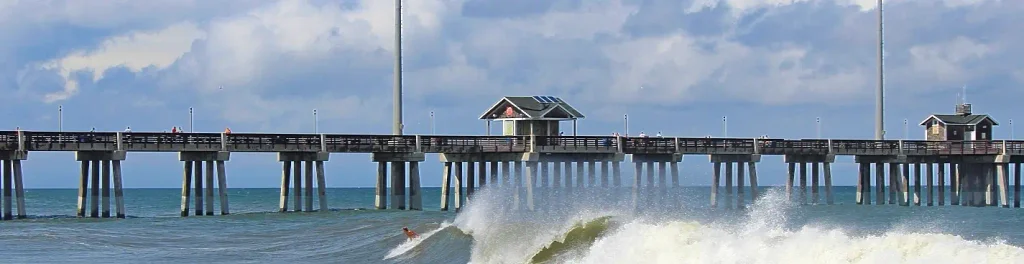
Early morning at Jennette’s Pier often yields the best fishing reports and the fewest tourists. Locals grab coffee at the pier café before the day-trippers arrive.
Kitty Hawk or Nags Head, Which Is Better?
Nags Head edges ahead for most visitors. It sits more central to attractions like Jockey’s Ridge, the Wright Brothers National Memorial (actually in Kill Devil Hills, but close), and a denser stretch of oceanfront.
Kitty Hawk feels slightly quieter and more residential. It works well if you prefer a lower-key base with good beach access. Both towns share the same barrier island reality: storms reshape the shoreline, and oceanfront parking can vanish after big tides.
What most visitors don’t know:
The “First Flight” story lives in Kill Devil Hills, not Kitty Hawk proper, despite the town’s famous name.

Which Town Is Best to Stay In on the Outer Banks?
It depends on your style.
Want nightlife, restaurants, and easy logistics? Stay in Nags Head or Kill Devil Hills.
Prefer quieter nights and shorter walks to less crowded sand? Consider South Nags Head or the villages farther south toward Rodanthe.
Crave true island isolation? Base on Ocracoke itself.
Many travelers split their time. Spend a few nights on the northern banks, then ferry south for the finale. Red Roof Inn properties in the northern Outer Banks offer budget-friendly stays; check current availability through Travelocity when comparing rates. Oceanfront rentals and mid-island cottages fill fast in peak months, so book early.
Local tip:
If you stay north and day-trip to Ocracoke, leave before 8 a.m. to beat both traffic and the ferry line.
How Long to Spend on Ocracoke Island?
One full day works for a solid taste. Catch the morning ferry, explore the village, hit the beach, and return on a late afternoon boat.
Two or three nights feel better. You settle into the slower rhythm, watch the sunset over Silver Lake, and maybe rent a bike to cover more of the island. Four or more nights suit anyone who wants to disconnect completely.
Day-trippers often underestimate how much the ferry schedule shapes the visit. Miss the last boat, and you’re looking at an overnight stay or a long drive around via the mainland routes, which aren’t practical for most.
The Ferry Trip: Practical Realities
The Hatteras-Ocracoke ferry is free for regular vehicles and runs frequently in season. Reservations are not required for that route, but they are recommended (and sometimes required) for the longer Swan Quarter or Cedar Island ferries if you approach from the mainland.
Expect wind, salt spray, and possible delays. Pets ride free if leashed. Restrooms and a small snack area are available on board, yet bringing your own water and snacks makes sense.
What most visitors don’t know:
The ferry captains and crew know these waters intimately. On rough days, they adjust routes slightly for comfort. Ask questions; they often share the best current fishing spots or recent wildlife sightings.
Making the Call: Ocracoke or Nags Head?
Choose Nags Head when you want convenience, variety, and minimal logistics. Choose Ocracoke when the ferry ride itself sounds like part of the adventure and quiet beaches matter more than late-night options.
Many seasoned Outer Banks travelers do both. They enjoy the northern towns for a few days, then treat Ocracoke as the reward. The contrast makes each place sharper.
Book lodging and any needed ferry reservations early through platforms like Travelocity when rates look good. Red Roof Inn can serve as a practical northern base if you’re watching the budget before heading south.
For more Carolina vacation area guides and Carolina coastal travel inspiration, keep exploring explorecarolinabeaches.com
FAQ
Is the ferry to Ocracoke free?
Yes, the Hatteras-Ocracoke route is free for standard vehicles. Longer mainland ferries charge fares and often require reservations.
Can I do Ocracoke as a day trip from Nags Head?
Yes. Drive south to Hatteras (about 90 minutes from Nags Head depending on traffic), catch a morning ferry, and return the same evening. Plan for a long but rewarding day.
Are there hotels on Ocracoke?
Yes, small inns, bed-and-breakfasts, and vacation rentals. Inventory is limited compared with Nags Head, so book ahead.
What’s the water like on Ocracoke versus Nags Head?
Both face the Atlantic. Ocracoke often feels less crowded and can have softer sand in places. Currents and conditions change with storms along the entire Outer Banks.
Do I need a car on Ocracoke?
Helpful but not mandatory. The village is walkable and bikeable. A car lets you reach more remote beach access points quickly.
Planning a Carolina beach trip? Use our Beach Finder Quiz to get a personalized recommendation, or compare any two beaches side by side with the Carolina Beach Comparison Tool.
📱 Download our free Carolina Beaches app — Get it here