
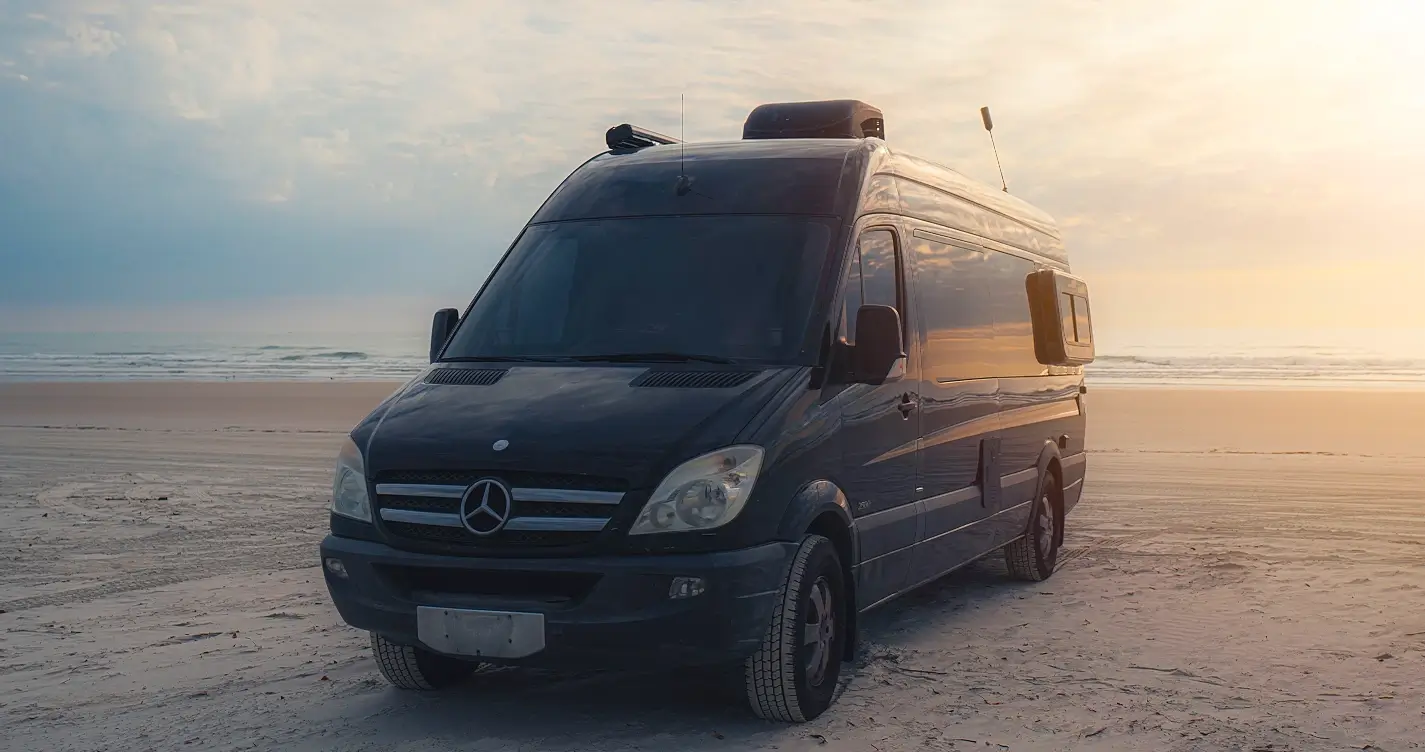
Somewhere between the last toll booth and the first dune line, RV travel stops feeling practical and starts feeling like the smartest move you’ve made all year. The Carolina coast rewards this kind of travel. Sandy roads, salt air, and 300 miles of coastline don’t care about your hotel loyalty points. They care whether you can back into a pull-through site without hitting the propane tank.
We’ve spent years tracking which coastal RV parks earn their reputations and which ones just have good marketing. Below, we’re covering the practical questions every RVer asks before booking a Carolina beach trip, plus the highest-rated parks from Corolla down to Hilton Head.
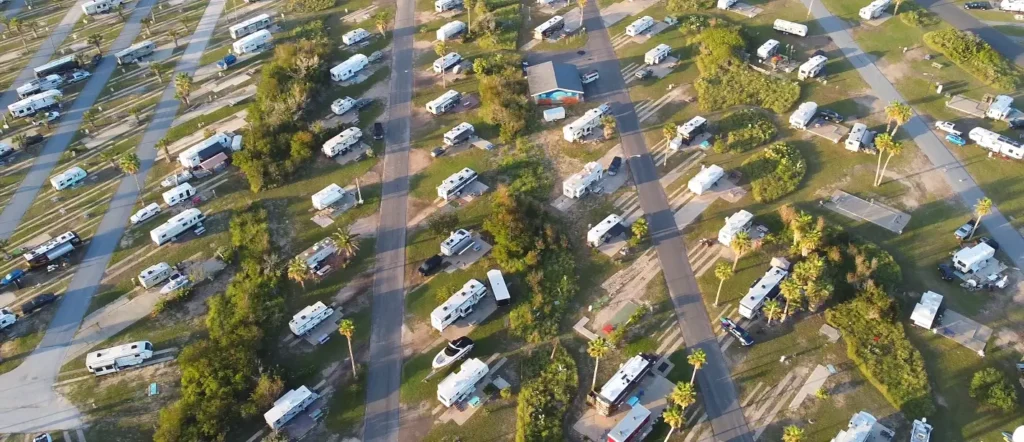
Is It Cheaper to Stay in an RV Rather Than a Hotel?
Short answer: yes. Especially once your travel party grows beyond two people. During peak season, beachfront hotel rooms along the Carolina coast often cost $200 to $450 or more per night, depending on the destination and demand. Private RV parks generally range from $60 to $120 per night, while premium oceanfront resorts can climb above $150 during the busiest weeks.
Stretch that over a week, and the savings become easier to see. Preparing meals in your RV instead of eating out three times a day can reduce costs even further. One independent study estimated that a four-person RV vacation costs roughly 48% less than a comparable trip involving airfare, hotels, and restaurant meals.
Hotels still make sense for quick weekend getaways, especially if you don’t already own an RV. Fuel and campground fees can offset the savings on shorter trips. Stay four nights or longer, though, and RV travel often becomes the better value.
Locals’ take:
Book during late April, early May, or October. You’ll enjoy pleasant weather, lighter crowds, and lower campground rates without giving up the coastal experience.
Pros & Cons Comparison: OBX vs. Myrtle Beach vs. Charleston Area
Choosing your base along the Carolina coast depends on what kind of trip you want. Here’s a practical breakdown:
Outer Banks (Corolla to Hatteras)
Pros: Wild, windswept beauty defines this stretch of coast. Beaches stay uncrowded for miles, and fishing and wildlife-watching don’t disappoint, think wild horses, shorebirds, and nesting sea turtles. The whole area feels quieter and more authentic than most beach destinations. Nature lovers and crowd-avoiders will feel right at home.
Cons: Narrow roads and sandy access can intimidate anyone driving a big rig. Restaurants and services thin out fast south of Nags Head. Some areas require a ferry just to reach them. Sites book up quickly and prices climb during peak season, and big-box shopping is nearly nonexistent.
Best for: Relaxed, scenic trips. Outdoorsy families and RVers who don’t mind wind and shifting sand will love it here.
Myrtle Beach / Grand Strand
Pros: Amenities and entertainment options run deep in this stretch. Wide roads make big-rig access easy, and massive resorts like Ocean Lakes and Pirateland pack in water parks, pools, mini-golf, and on-site stores. Half-mile stretches of private beach give guests room to spread out. Kids of every age find something to do, and dining and shopping options multiply block by block.
Cons: Expect more traffic, more crowds, and a busier, more commercial feel overall. Summer brings heavier congestion than almost anywhere else on the coast. Some zones lean toward a party atmosphere, so it can feel less “natural” than other stretches.
Best for: First-time RV beach families and multi-generational trips. Anyone craving convenience and on-site activities will appreciate never having to leave the resort.
Charleston / Lowcountry (James Island, Edisto, Hunting Island)
Pros: Marsh, beach, and historic charm blend together here like nowhere else on the coast. Excellent seafood and culture sit just a short drive away, and the pace stays noticeably more relaxed than Myrtle Beach. State parks like Hunting Island and Edisto offer stunning oceanfront or near-ocean sites without the crowds. Couples and families who want both beach time and city exploration will find plenty to love.
Cons: True oceanfront RV sites run scarcer here than in OBX or Myrtle Beach. Some parks sit a 10 to 20-minute drive from the sand. Summer humidity and bugs can test your patience, and Charleston traffic gets heavy fast.
Best for: Foodies, history buffs, and travelers who want beach time paired with Lowcountry culture.
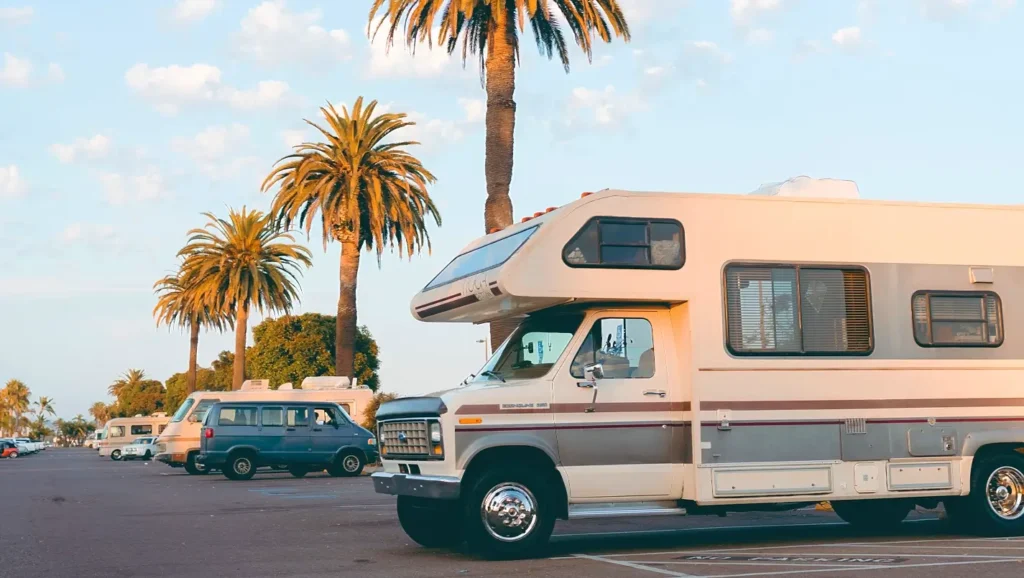
What’s the Longest RV Allowed at Carolina Coast Campgrounds?
Length limits vary widely, so never assume your rig will fit simply because a website says it will. At Cape Hatteras National Seashore, the four National Park Service campgrounds (Oregon Inlet, Cape Point, Frisco, and Ocracoke) generally accommodate RVs and trailers up to 40 feet in length, although sites for larger rigs are limited.
Private RV resorts are usually much more accommodating. The Refuge on Roanoke Island, for example, offers waterfront sites that can handle rigs up to 45 feet. That’s common throughout the Carolina coast. Private parks often have wider roads, longer pull-through sites, and easier access for larger motorhomes.
Don’t rely only on the published length limit. Low tree limbs, narrow turns, sandy roads, and the amount of space needed for slide-outs can make a campground feel much tighter than the specifications suggest.
What most visitors don’t know:
Some campgrounds measure only the RV itself, while others consider the combined length of your RV, tow vehicle, or trailer. Always confirm the site’s exact dimensions before booking.
Can You Sleep Anywhere in an RV?
Not on the beach itself, at least not on the Carolina coast. Camping directly on the beach isn’t permitted anywhere at Cape Hatteras National Seashore, and that rule holds across nearly every coastal jurisdiction in both states.
Off the beach, RV travelers have more flexibility than many people realize. Walmart’s corporate policy allows individual stores to decide whether overnight parking is permitted, provided local ordinances allow it. A handful of locations along the Carolina coast still welcome overnight guests, but many beach communities prohibit overnight parking altogether. Always call ahead and ask for permission before staying overnight.
Truck stops, some Cracker Barrel locations, and 24-hour big-box lots remain the most reliable free options along I-95 and Highway 17. Just don’t expect that flexibility once you’re inside a beach town’s limits; most Carolina coastal municipalities enforce strict no-overnight-parking rules to keep RVs out of public beach lots.
Local’s take:
If you’re driving Highway 12 through the Outer Banks late at night, don’t count on finding a legal overnight spot on the barrier islands themselves. Plan your fuel and rest stops on the mainland side before you cross a bridge.
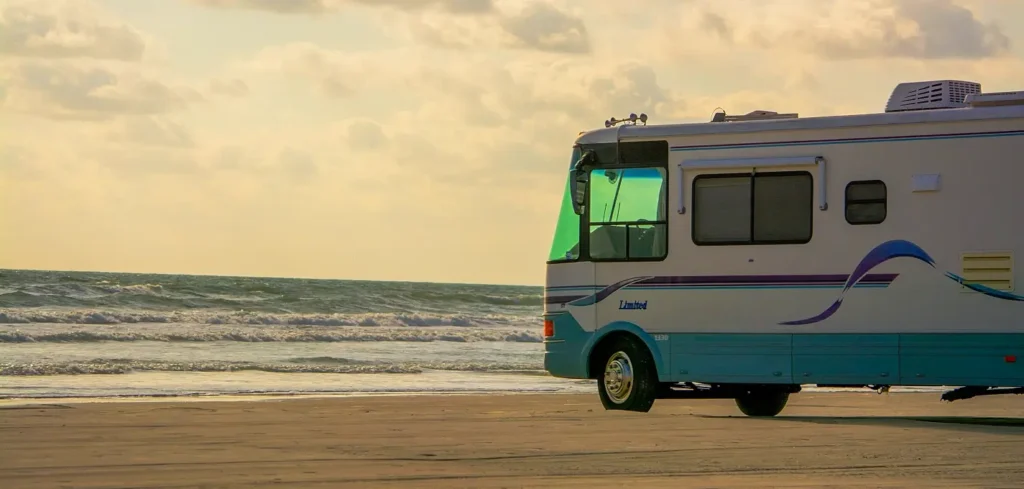
How Many People Can Legally Ride in an RV?
This is one of the most misunderstood RV questions. North Carolina and South Carolina both require vehicle occupants to follow state seat belt laws, but regulations for passengers riding in the living area of a motorhome differ across the country.
As a practical rule, never carry more passengers than your RV has designated seat belts. A motorhome may advertise sleeping space for eight people while providing safe travel seating for only four or five.
Towable RVs are much simpler. Passengers should never ride inside a travel trailer or fifth wheel while it is being towed. Everyone should ride inside the tow vehicle.
What most visitors don’t know:
Child restraint laws still apply in motorhomes. Many child safety seats require a properly installed lap-and-shoulder belt or another approved anchorage system, so always verify that your RV seating position meets the manufacturer’s installation requirements.
Where Are the Best RV Parks on the Carolina Coast?
The Carolina coast offers dozens of excellent campgrounds. These are among the highest-rated and most consistently recommended parks from Corolla to Hilton Head, based on traveler reviews, amenities, and location.
Outer Banks
- Camp Hatteras RV Resort (Rodanthe) 4.6 stars from over 1,500 Google reviews, with both oceanfront and soundfront sites plus three pools.
- Cape Hatteras KOA (Rodanthe) 4.4 stars from 791 reviews, a family-friendly favorite with a double water slide.
- The Refuge on Roanoke Island is praised for accommodating 45-foot rigs and remote-work-friendly Wi-Fi.
- Sands of Time Campground (Avon) 4.8 stars from 193 reviews, a quiet, walkable-to-the-beach favorite.
- Oregon Inlet Campground (NPS) 4.5 stars from 323 reviews, the only Cape Hatteras seashore campground with hookups.
- Ocean Lakes Family Campground 310 oceanfront acres and one of the nation’s most decorated family resorts.
- Myrtle Beach Travel Park 125 acres and a half-mile of private beach, a longtime Grand Strand institution.
- Pirateland Family Camping Resort is a half a mile of beach access plus an on-site water park.
- Hideaway RV Park A highly rated Myrtle Beach-area campground known for its wooded setting, spacious sites, and dog-friendly amenities.
- James Island County Park Full hookups, 50-amp service, and a 15-minute drive to downtown Charleston.
Also worth booking: Hunting Island State Park, where you can fall asleep to actual ocean waves, and Edisto Beach State Park, a quieter alternative just southwest of the city.
Locals’ take:
Oceanfront sites at Ocean Lakes and Camp Hatteras book out six to twelve months ahead for summer weeks. If your dates are flexible, October delivers the same sunsets with half the competition for a site.
Driving Tips for Sandy Roads + What to Pack
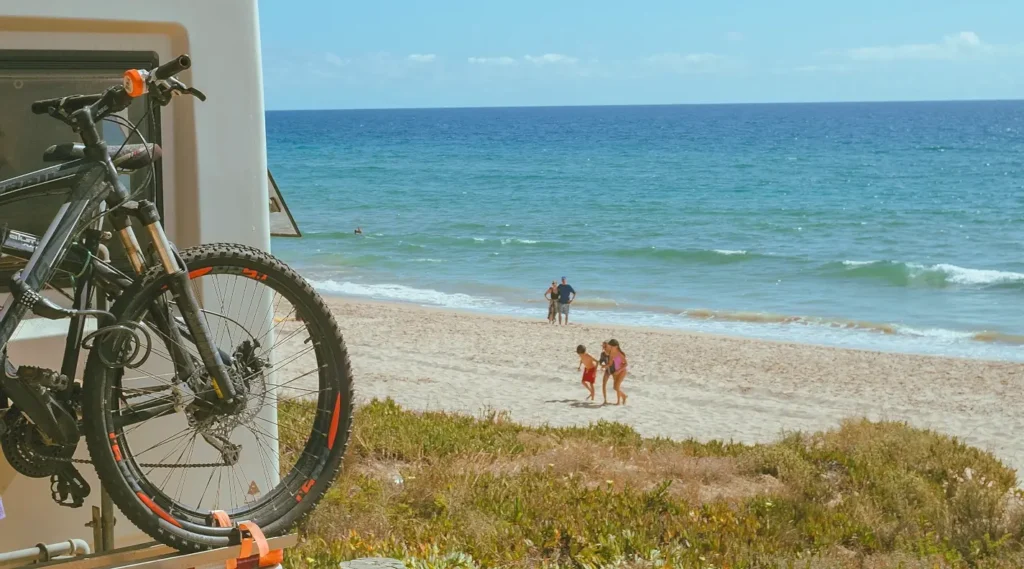
Driving on sand is the biggest adjustment most RVers face on the Carolina coast.
- Reduce tire pressure (typically 15–25 PSI) before beach or soft-sand access roads; this is critical for traction. Many campgrounds and beach accesses offer air stations for refilling when you leave.
- Use 4WD if you have it, and stay in existing tire tracks when possible.
- Drive slowly and steadily; avoid sudden turns or stops.
- Watch for soft spots after storms or high tide. If you get stuck, dig out gently or call for help rather than spinning your tires.
- On the Outer Banks, an ORV (Off-Road Vehicle) permit is required for beach driving in many areas.
What to Pack for a Carolina Coast RV Trip
- Beach kit: Pop-up tent or easy-up shelter (wind is common), beach chairs, extra-long beach towels, waterproof sandals, and a beach wagon for hauling gear.
- Bug and sun protection: Strong bug spray (especially evenings in the Lowcountry), sunscreen, hats, and rash guards.
- Weather-ready layers: Light jackets or hoodies for cool evenings and windy days, plus quick-dry clothing.
- Outdoor extras: Binoculars for wildlife, fishing gear, bikes or kayaks if you have room, and a sturdy shovel plus traction mats for sand.
- Kitchen musts: Extra propane, a good cooler, and ingredients for easy beach meals.
- RV-specific: Leveling blocks (sand can be uneven), extra hoses/filters for hookups, and a strong outdoor mat to keep sand out of the rig.
If you’re staying at Camp Hatteras or another Hatteras Island RV park this fall, you’re minutes from one of the Outer Banks’ biggest annual events. The NCBBA Red Drum Tournament fills the beach with anglers every October. See our full Red Drum Tournament guide for dates, rules, and fishing tips to make the most of your stay.
Can You Boondock on the Carolina Coast?
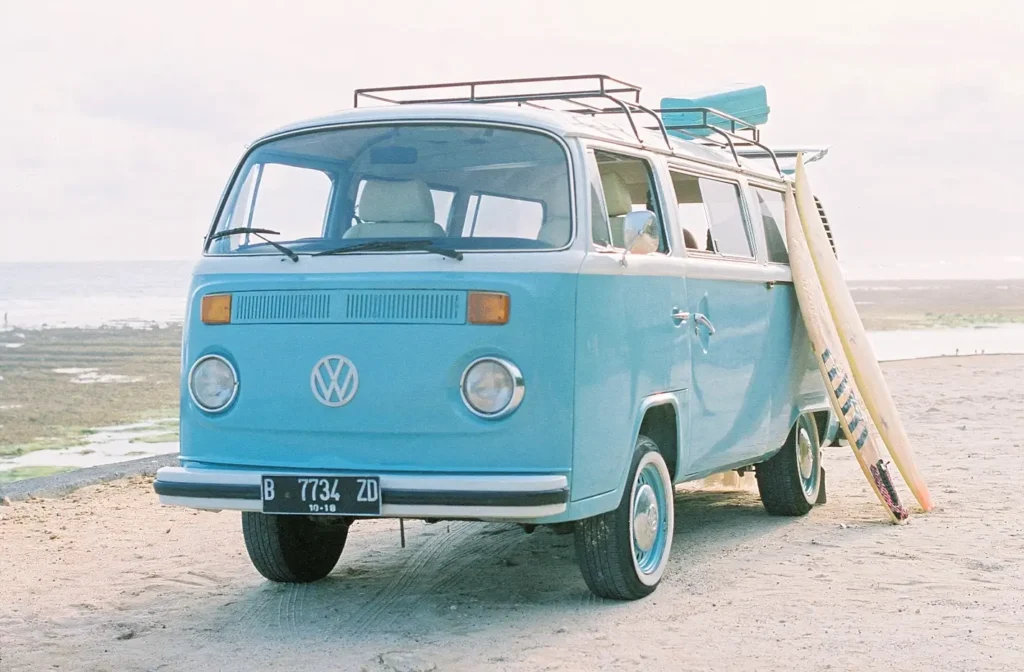
If you’re hoping to camp for free beside the ocean, you’ll likely be disappointed. Boondocking opportunities along the Carolina coast are extremely limited. National seashores, beach towns, and most coastal counties prohibit overnight roadside camping, parking in beach lots after hours, or sleeping in vehicles on public property.
Inland areas offer more flexibility, particularly at certain Harvest Hosts locations, truck stops, and a few retailers that permit overnight parking with manager approval. If your goal is waking up near the beach, however, reserving a campground remains the safest and most reliable option.
From the wild dunes of the Outer Banks to the marsh-edged shores of the Lowcountry, the Carolina coast doesn’t just welcome RV travelers; it feels purpose-built for us. There’s something deeply satisfying about waking up steps from the Atlantic, brewing coffee while the tide rolls in, and knowing your “hotel room” has wheels and a full kitchen. So hook up the rig, book that site early, and trade hotel loyalty points for salt air and freedom. The road ends at the dunes… but the best part of the trip is only beginning. Park it, level it, breathe it in. The Carolina coast is waiting.
FAQ
Is RV camping cheaper than hotels on the Carolina coast? Usually, yes, especially for trips longer than four nights or groups larger than two people. Private RV parks average $40 to $80 per night, well below typical beachfront hotel rates during peak summer weeks.
What’s the RV length limit at Cape Hatteras National Seashore? All four NPS campgrounds cap RVs and trailers at 40 feet. Always confirm directly with the park before booking, since site availability for longer rigs is limited.
Can I park my RV overnight on a Carolina beach? No. Overnight beach camping is banned across Cape Hatteras National Seashore and virtually every coastal town in both states. Use a designated campground instead.
How many people can legally ride in my RV while driving? Limit passengers to the number of designated seat belts installed in your RV, and ensure everyone follows North Carolina or South Carolina seat belt laws. Never allow passengers to ride inside a towable travel trailer while it’s moving.
Are there RV parks directly on the beach in the Carolinas? Yes. Camp Hatteras, Myrtle Beach Travel Park, and Ocean Lakes Family Campground all offer sites within a short walk of the sand, though true beachfront pads sell out fastest.
Do Carolina RV parks allow pets? Most do, including Camp Hatteras, Hideaway RV Park, and James Island County Park, though leash rules and breed restrictions vary by property.
For more travel guides, beach recommendations, and coastal travel inspiration, keep exploring explorecarolinabeaches.com
Planning a Carolina beach trip? Use our Beach Finder Quiz to get a personalized recommendation, or compare any two beaches side by side with the Carolina Beach Comparison Tool.
📱 Download our free Carolina Beaches app — Get it here