
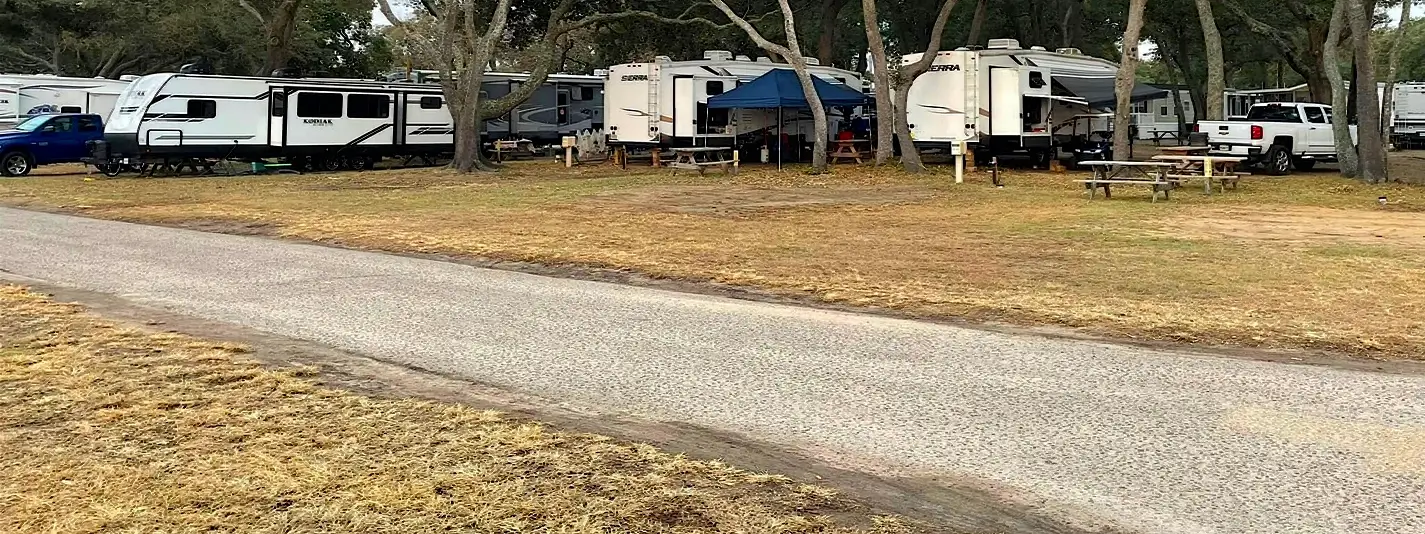
Summer gets the crowds. Fall gets the coast. Cooler air settles over the marsh. Mosquitoes ease off. Beach parking lots empty out. Meanwhile, campgrounds stay open, and sunsets get better every week.
Fall camping here feels like a secret locals keep for themselves. Wake up to surf noise. Eat breakfast under live oaks.
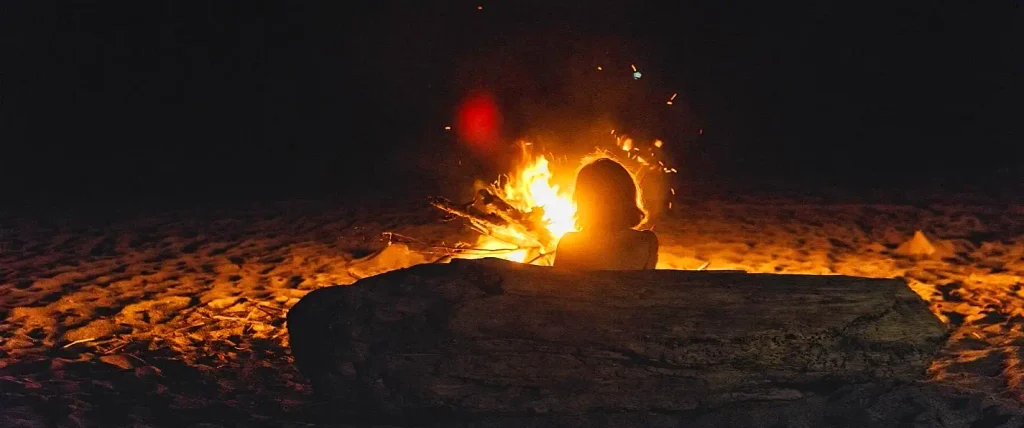
Here is the local’s take: October and November offer the sweet spot. Days still feel warm enough for a beach walk. Nights turn cool enough for a real campfire and a heavy blanket. Pack layers, book early, and let fall do the rest.
Affiliate Disclosure: This page contains affiliate links. If you book through them, we may earn a small commission at no extra cost to you.
Why Fall Wins for Coastal Camping
First, the weather cooperates. October still brings highs in the 70s along the Grand Strand. November cools down, but afternoons often feel pleasant in a fleece. You will not sweat through your sleeping bag.
Second, the crowds thin out. Summer families head home. Campgrounds that fill months ahead in July often show open sites in late fall. Popular parks still book up on holiday weekends, so plan ahead anyway.
Third, fall trades hassle for quiet. Trade beach-chair traffic for empty trails. Trade long restaurant waits for a grill and a cooler. That trade sounds pretty good right now.
Hunting Island State Park: The Wild Lowcountry Classic
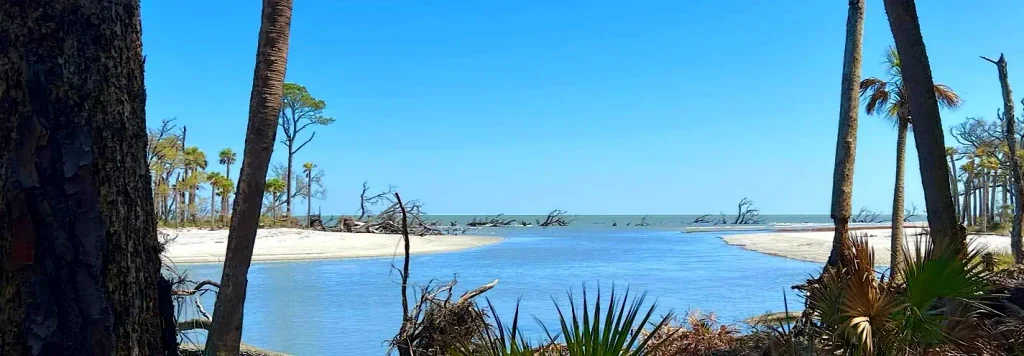
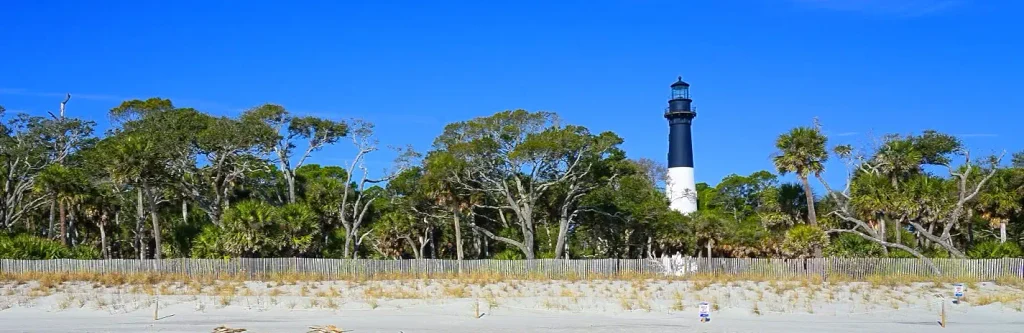
Start in Beaufort County at Hunting Island State Park. The park covers 5,000 acres of beach, marsh, and maritime forest. Five miles of beach stretch out in front of you. Palmettos and pines shade the campground behind the dunes.
Climb the Hunting Island Lighthouse for the payoff view. South Carolina Parks calls it the only publicly accessible lighthouse in the state. Count 167 steps on the way up.
Campers get water and electric hookups, hot showers, restrooms, and beach walkways. Book through the South Carolina State Parks reservation system. This park ranks among the most popular in the state, so reserve well ahead for weekends.
What most visitors don’t know: walk the marsh boardwalk at sunset. Egrets gather there, and the light turns the marsh pink and gold.
Huntington Beach State Park: Castles, Marsh, and Birding
Head north to Murrells Inlet and Huntington Beach State Park. The park sits at 16148 Ocean Hwy. It covers 2,500 acres and features three miles of beach. Birders flock here for good reason. The park lists more than 300 bird species spotted within its borders.
The campground offers real choice. South Carolina Parks lists 173 standard and full-hookup sites, plus six rustic tent sites. Several sites fit RVs up to 40 feet. Tent campers can also use the walk-in tent area with tent pads and central water.
Then tour Atalaya, the Moorish-style winter home of Archer and Anna Hyatt Huntington. Anna Hyatt Huntington sculpted animals with serious skill. Walk the grounds, then walk the beach, and you will understand why this couple chose this spot.
For dogs, keep a leash no longer than six feet throughout the park. Dogs can use the south end of the beach. Dogs cannot enter buildings, including Atalaya, or use the north end of the beach.
Myrtle Beach State Park: Beach Camping Without Leaving Town
Myrtle Beach State Park gives you the easiest fall camping trip on the Grand Strand. The park sits at 4401 S Kings Hwy. It covers 312 acres of oceanfront maritime forest. Camp in the trees, then walk a short trail to a mile of undeveloped beach. The campground stays open year-round. Sites offer water and electric hookups, plus historic cabins from the 1930s and a fishing pier.
Here is the insider tip: pair a state park night with a town morning. Camp under the pines, then drive to the Market Common area for breakfast.
Carolina Beach State Park: Flytraps, Dunes, and River Views
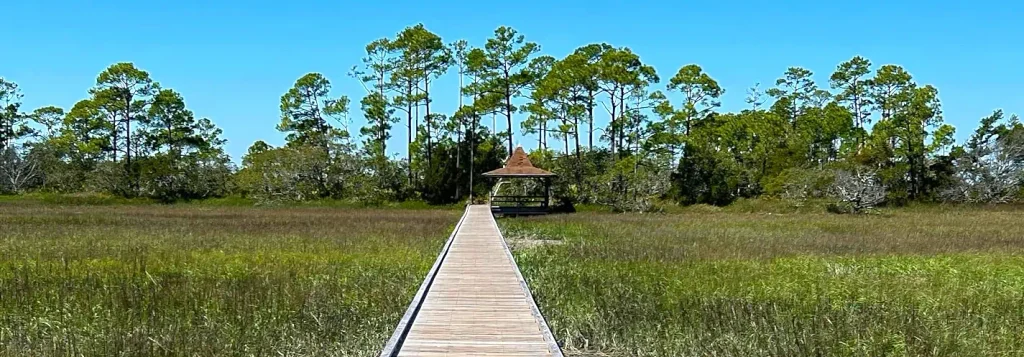
Drive north to Carolina Beach State Park, about 12 miles south of Wilmington. The park protects a rare coastal ecosystem. Venus flytraps grow wild here in the Pocosin wetlands.
Hike to Sugarloaf Dune, a 50-foot dune that once guided river pilots along the Cape Fear River. The park lists nine miles of hiking trails. Trails cross evergreen forest, limesink ponds, longleaf pine savanna, and cypress swamp. Check the park’s current trail notices before you hike, since prescribed burns and trail work can close sections.
The campground offers camper cabins, tent sites, and trailer and RV sites. Some RV sites offer electric, water, and sewer hookups.
What most visitors don’t know: Venus flytraps grow tiny and low to the ground. Visitors often walk right past them. Stay on the trail, look closely at the wetland edges, and leave every plant exactly where you found it.
Bear Island at Hammocks Beach: The Boldest Fall Camp
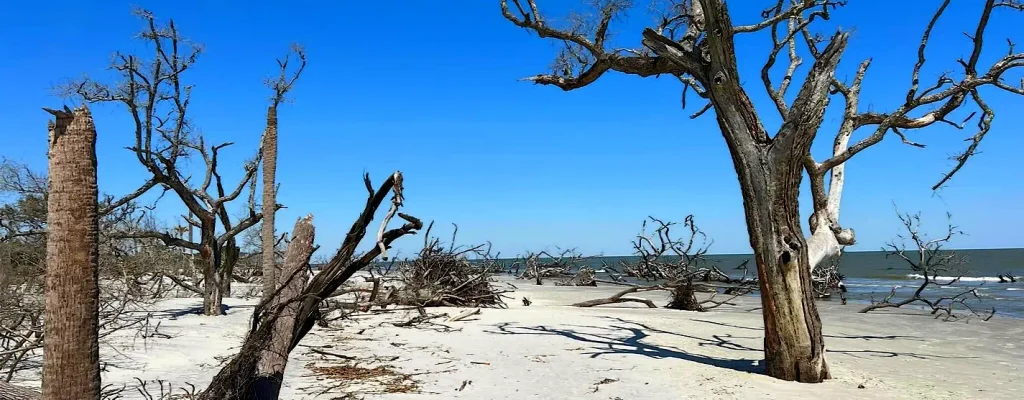
Ready for a wilder night? Take the ferry from Swansboro to Bear Island at Hammocks Beach State Park. Bear Island runs four miles long, and development never touched it. Primitive campsites sit right on the beachfront, with sound-side boat-in sites for paddlers.
Plan this trip carefully. Campers must check in at the visitor center before it closes. The park allows no late check-ins. Campers must carry all gear from the dock to the site.
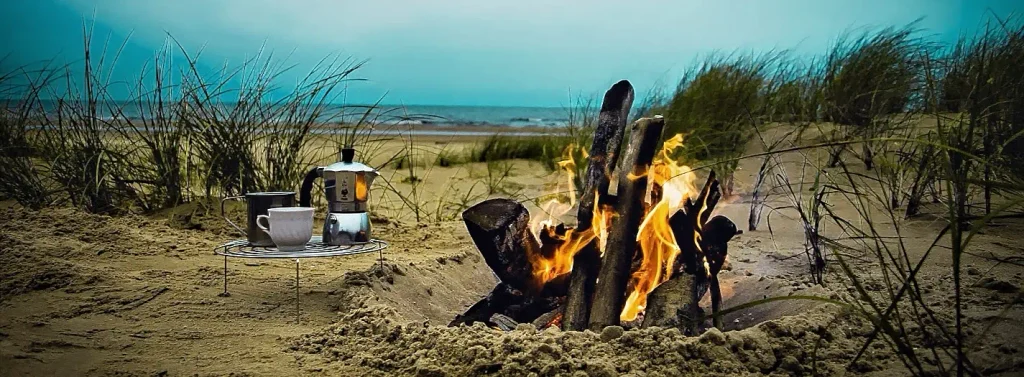
Know one firm rule before you go. The park bans open fires anywhere on Bear Island. Bring a camp stove for cooking, not firewood for a beach bonfire. The park also winterizes the Bear Island bathhouse from mid-November through March. Pack extra water and warm layers for a late-fall stay.
Prefer hookups over primitive camping? Book the Simmons Mainland Campground in Swansboro instead; it is open year-round with full hookup sites and camper cabins.
Pack Smart and Book It Right
Fall coastal weather shifts fast, so pack for two seasons in one bag. Bring a warm sleeping bag, a fleece, a rain jacket, and a warm hat. Bring a headlamp, bug spray, a camp stove, and a backup lighter.
Pack food that cooks fast. Think foil-packet shrimp, grilled sausage, canned chili, and hot coffee. Store food away from raccoons at night. Bring a beach cart for Bear Island, because wheels beat shoulders on soft sand.
Book state park sites through each state’s official reservation system. Holiday weekends still fill fast in fall, so book as early as the window allows. Flying in? Travelocity can bundle flights and a rental car in one booking.
If a storm ruins the tent plan, keep a backup. The Red Roof Inn Myrtle Beach Hotel at Market Common, 2801 S Kings Hwy, sits two blocks from the beach. The property welcomes pets, and one well-behaved pet stays free. Dry off, regroup, and try the campground again the next night.
Why Fall Camping Sticks With You
Fall camping strips a beach trip down to its best parts. Hear the surf at night. Smell salt and pine in the morning. Watch the sky change color without a crowd in the frame.
The Carolina coast in fall rewards people who slow down. Campers get empty beaches, cooler trails, and campfire nights without the summer rush.
So pitch the tent, light the stove, and stay one more night. The Carolina coast saves its quietest magic for fall, and the best way to catch it involves sleeping outside.
Frequently Asked Questions
Do I need reservations for Carolina coast state park campgrounds?
Yes, in most cases. Book through the official South Carolina State Parks or NC State Parks reservation system. Fall weekends can still sell out.
Can I have a campfire at every coastal campground?
No. Rules vary by park, and Bear Island at Hammocks Beach bans open fires entirely. Use camp stoves there. At other parks, use only designated fire rings or grills, and follow each park’s current fire rules.
Can I bring my dog camping on the Carolina coast?
Many coastal state parks welcome dogs, but rules vary by park and by beach section. Huntington Beach State Park requires a leash no longer than six feet. Dogs cannot use the north end of the beach or enter buildings there.
What should I pack for fall camping on the coast?
Pack a warm sleeping bag, a fleece, a rain jacket, a headlamp, bug spray, a camp stove, and extra water. Bring a beach cart for primitive island sites like Bear Island.
Is Bear Island camping good for first-time campers?
Bear Island suits experienced campers better than beginners. Campers carry all gear across sand, pack out all trash, and cook on stoves because open fires stay banned. Try a drive-up state park campground first, then graduate to Bear Island.
Planning a Carolina beach trip? Use our Beach Finder Quiz to get a personalized recommendation, or compare any two beaches side by side with the Carolina Beach Comparison Tool.
Planning a Carolina beach trip? Use our Beach Finder Quiz to get a personalized recommendation, or compare any two beaches side by side with the Carolina Beach Comparison Tool.
📱 Download our free Carolina Beaches app — Get it here